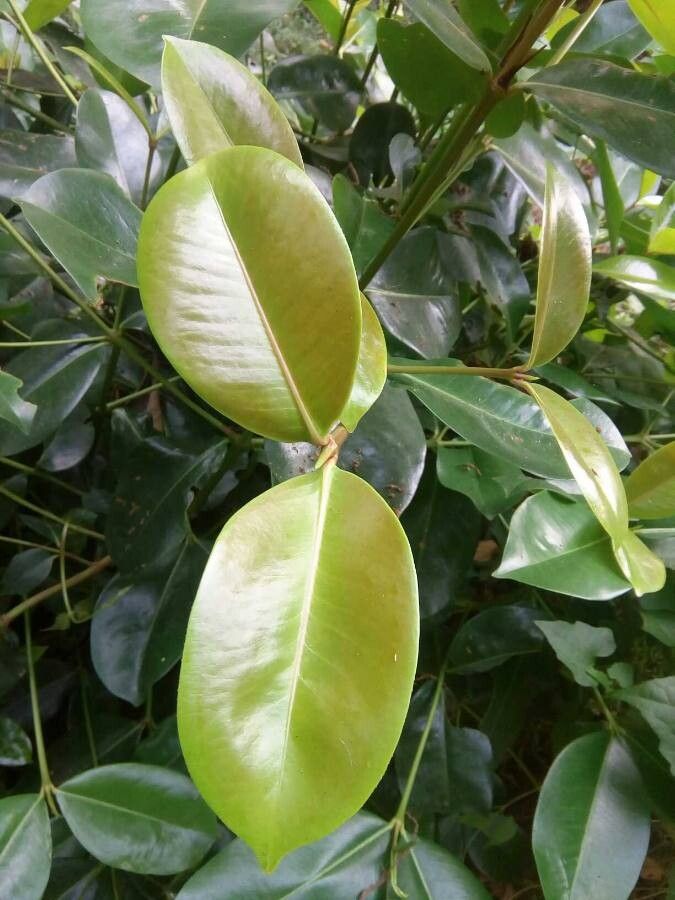
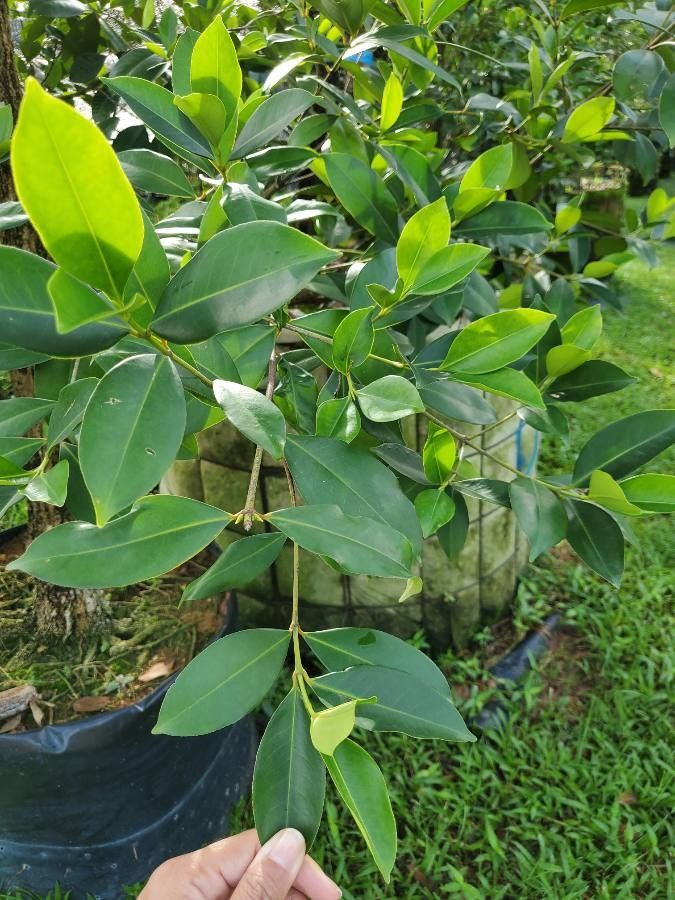
Carallia brachiata is a large tree in the family Rhizophoraceae, that grows to a height of 25 metres (82 ft) and found from Australia, Malesia, Indochina through to the Western Ghats. It is the host plant of the moth Dysphania percota in India and Dysphania numana in Australia.
Freshwater mangrove has good resistance to disease and is generally not prone to illnesses. In terms of care, this plant is relatively low-maintenance. When grown outdoors it needs little watering, and larger plants typically do not require pruning. Smaller plants, however, should be pruned after they have finished blooming. Freshwater mangrove is suitable for anyone with an outdoor space, such as a garden or a deck, and does not demand much care experience.
How to keep Carallia Brachiata.
Light
For optimal growth, freshwater mangrove does best in settings with abundant sunlight. It develops well in areas where it can receive a generous amount of light, yet it can also cope when sun exposure is only moderate. Too much or too little light can disturb its development and overall health.
Water
Freshwater mangroves thrive in tropical and humid environments, ideally requiring watering every two weeks. Although they are drought-resistant, these plants flourish best in well-draining soil, which mimics their natural habitat. Typically grown outdoors, freshwater mangroves benefit greatly from exposure to natural light and regular rain cycles.
Temperature
Freshwater mangrove comes from tropical areas, where the climate is generally warm and humid. Consequently, it is well suited to high temperatures and humidity. It does not tolerate sudden temperature changes and prefers a stable thermal environment, so avoiding temperature fluctuations indoors is important. It usually cannot withstand cold and requires warmer conditions to grow. If the ambient temperature drops too low, the plant may stop growing or even die.
Fertilizer
Fertilization is essential for the care of the Freshwater mangrove. Consistent feeding throughout the growing season helps maintain energy for its showy leaves and supports overall growth. If fertilization is neglected, leaves can become unhealthy, the plant's ornamental value can decline, and growth may be stunted or weak and more likely to break.
Pruning
Freshwater mangroves are resilient tropical evergreens that benefit from pruning during the winter. To encourage better airflow and sunlight penetration, trim away any dead branches and those that cross over each other. Regular pruning not only enhances the plant's appearance but also promotes healthy new growth. Be sure to use sterilized tools to prevent fungal infections, which helps ensure the mangroves remain vibrant and continue to thrive.
Botanical profile.
- Plant Type
- Tree
- Life Cycle
- Perennial
- Genus
- Carallia
- Family
- Rhizophoraceae
- Hardiness Zone
- 10-12
- Mature Height
- 24.99 m
- Mature Spread
- 40 cm to 61 cm
- Leaf Color
- Dark Green
- Leaf Type
- Evergreen
- Flower Color
- White
- Flower Size
- 0.25 cm to 0.51 cm
- Bloom Time
- Summer
- Planting Time
- Spring, Summer, Autumn
- Harvest Time
- Late summer, Early fall, Mid fall
- Native Area
- Nepal, Sri Lanka, India, Malaysia, Philippines, Madagascar, Bangladesh, Laos, Brunei, China, Indonesia, Cambodia, Vietnam, Myanmar, Bhutan, Singapore, Thailand
Other names.
Reader questions.
What are the sunlight requirements for Freshwater mangrove?
Freshwater mangrove, also known by its botanical name Carallia brachiata, thrives best in environments with abundant sunlight. It requires full sun, defined as more than 6 hours of direct sunlight daily, for optimal growth. However, it can also tolerate partial sun, which means about 3-6 hours of sunlight daily. It's essential to watch how sunlight moves through your garden and choose spots that offer a perfect balance for the plant, ensuring it receives the light it needs without excessive exposure.
How does artificial lighting affect the growth of Freshwater mangrove?
For optimal growth, especially when natural sunlight is insufficient, Freshwater mangrove can benefit from artificial lighting. During winter or in less sunny spaces, artificial lights such as LED lights, which can be customized to provide specific wavelengths, offer a vital solution. The general guideline for artificial lighting is 30-50W/sq ft for full sun plants, 20-30W/sq ft for partial sun plants, and 10-20W/sq ft for full shade plants. The light source should be placed 12-36 inches above the plant and kept on for 8-12 hours per day to mimic natural daylight hours, promoting faster and healthier growth.
What are some common symptoms of light deficiency in Freshwater mangrove?
When Freshwater mangrove doesn't receive enough light, it may exhibit several symptoms indicative of light deficiency. Common symptoms include new leaves growing smaller than previous ones, leggy or sparse growth, faster leaf drop, slower or no new growth, and leaves that appear lighter-colored or develop irregular color patterns indicating a lack of chlorophyll. Additionally, the plant may experience chlorosis, sunscald, leaf curling, wilting, and leaf scorching from excessive sunlight or inadequate sunlight, reflecting its sensitivity to light conditions.
What solutions can be applied to address light-related issues in Freshwater mangrove?
To optimally address light-related issues in Freshwater mangrove, consider the following solutions: Indoor plants can gradually be moved to a sunnier location to ensure they receive at least 6 hours of direct sunlight daily. Use a south-facing window for maximum exposure and keep curtains open during the day. Alternatively, use artificial light such as desk or ceiling lamps, or professional plant grow lights for at least 8 hours daily. For outdoor plants, gradually acclimatizing them to sunnier spots is key to preventing sunburn. If sunlight is obstructed, consider pruning or transplanting to a location with better light. It's important to note that parts of the plant affected by insufficient light may not recover, but new growth should be healthy following these adjustments.