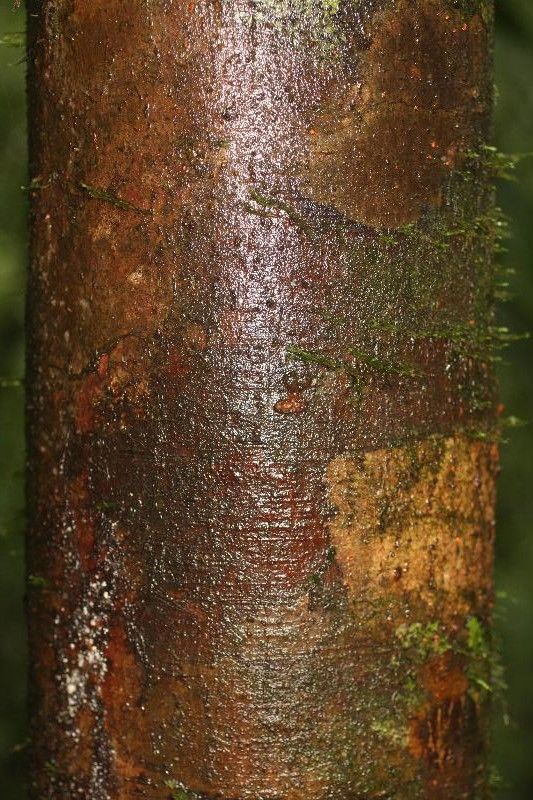
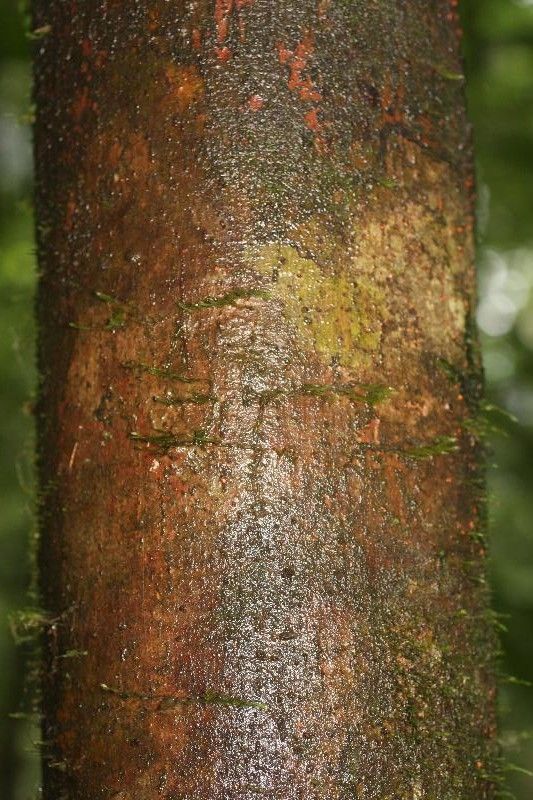
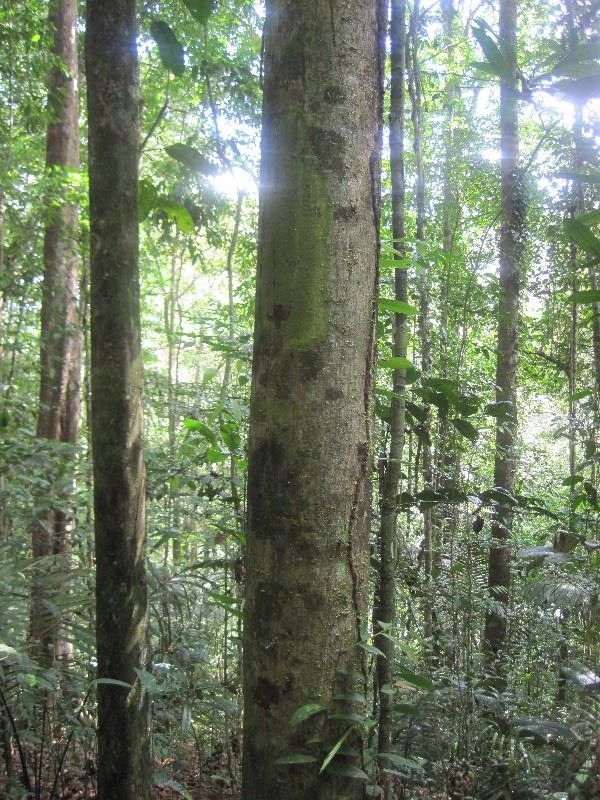
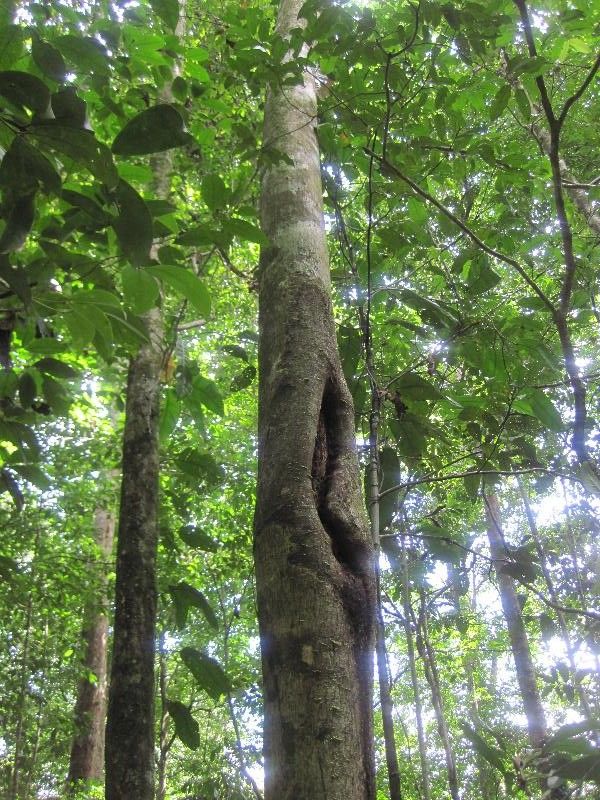
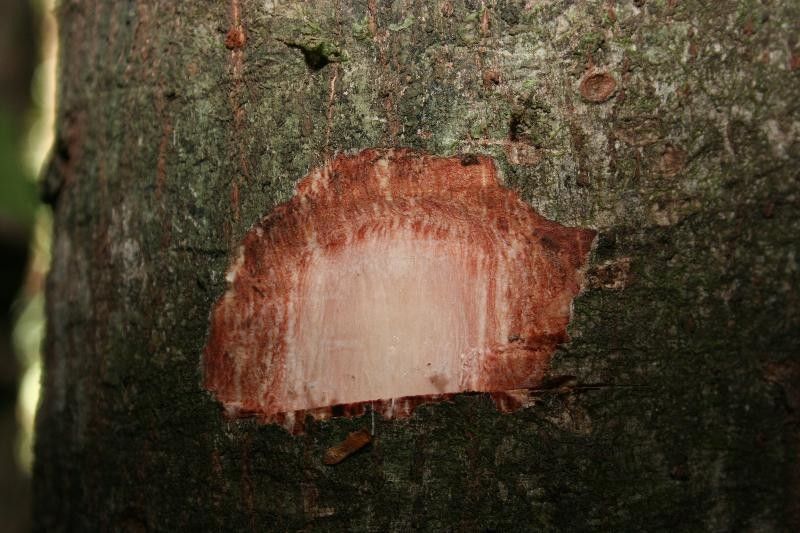
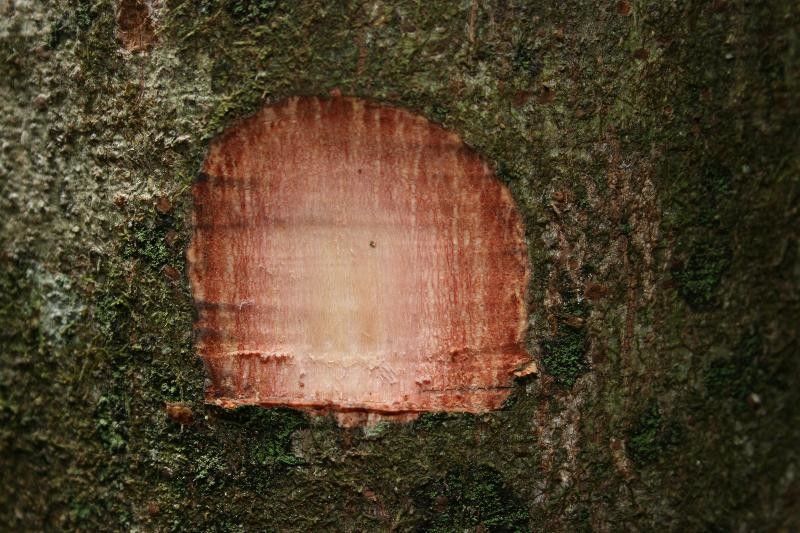
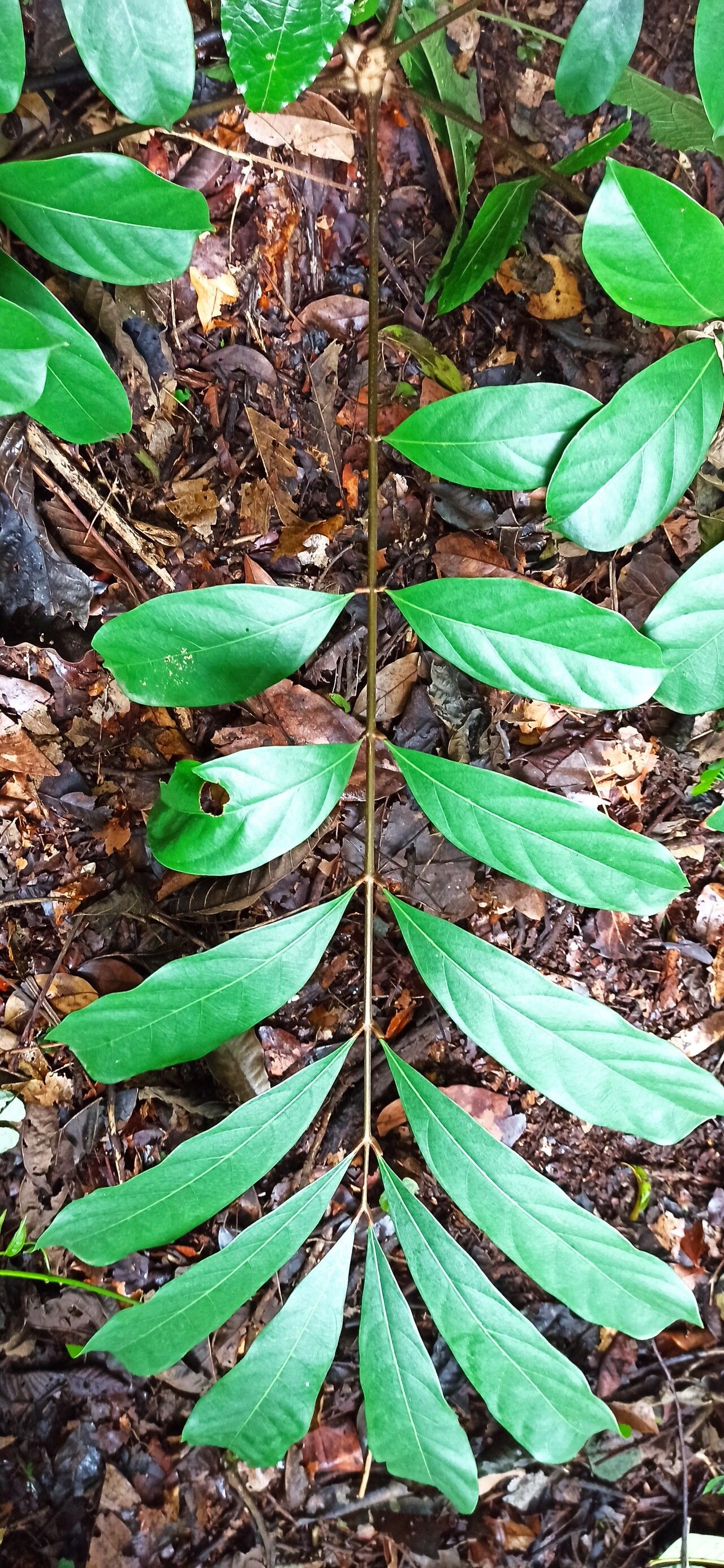
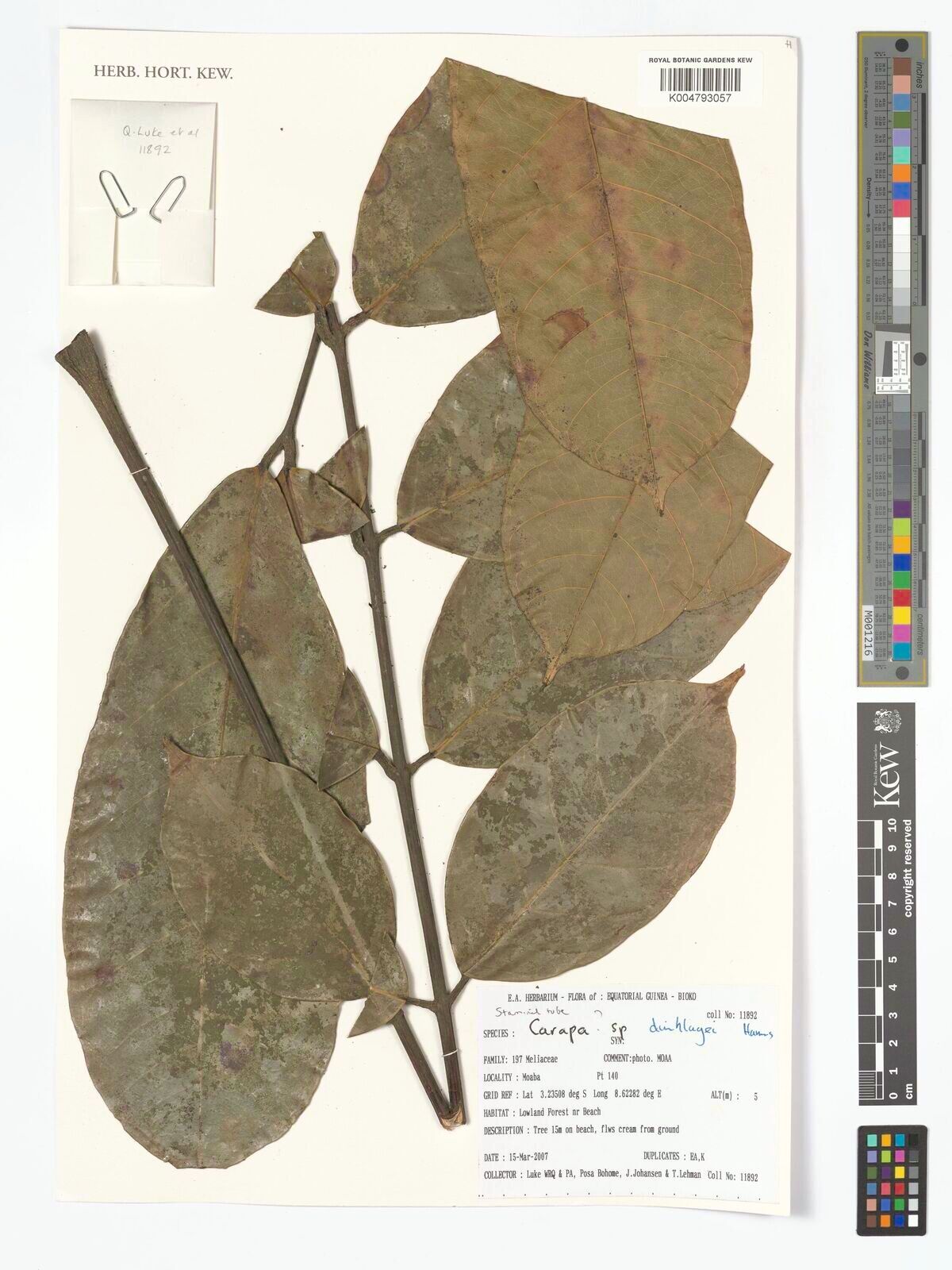
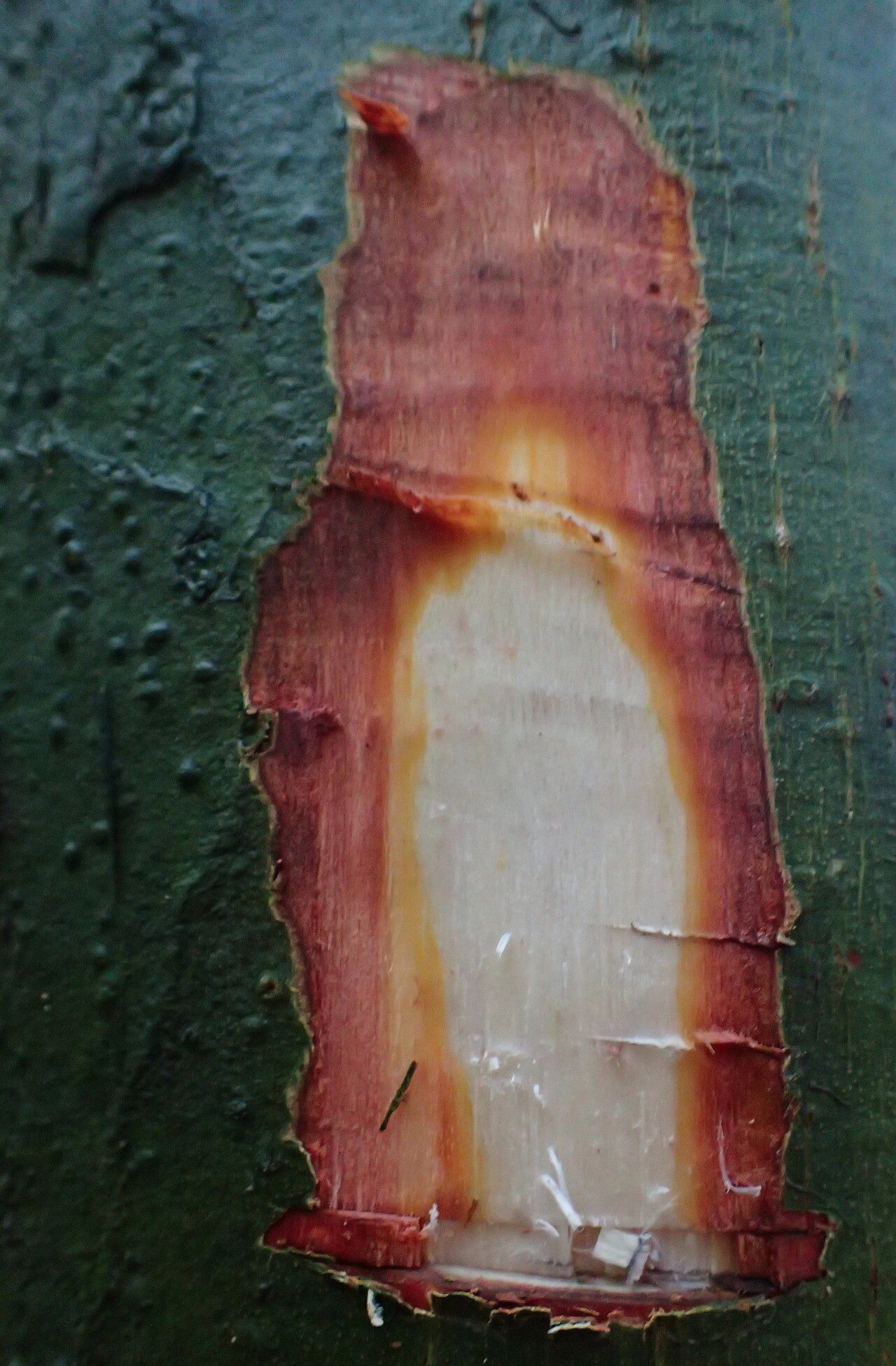
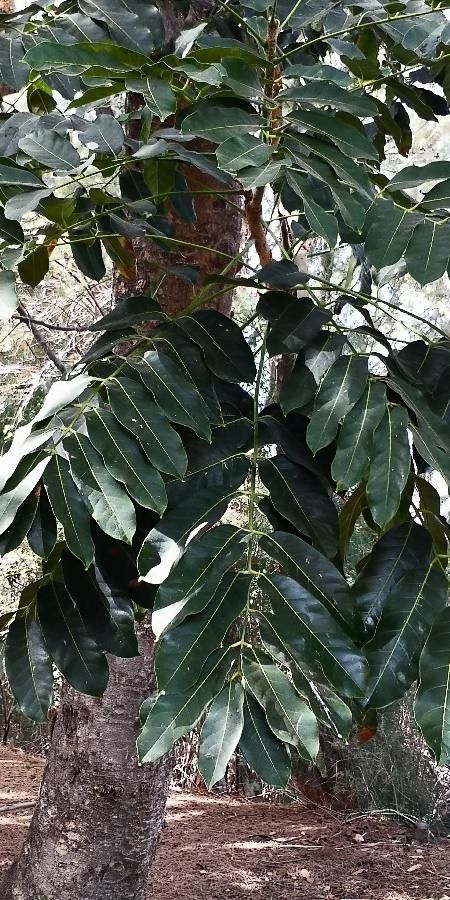
Carapa procera, called African crabwood, is a species of tree in the genus Carapa, native to the West African tropics and to the Amazon rainforest, and introduced to Vietnam. Some authorities have split off the South American population into its own species, Carapa surinamensis. The nuts are intensively collected in the wild for their oil, a non-timber forest product. In tropical Africa, the species is increasingly threatened.
African crabwood exhibits strong resistance to disease and is generally not susceptible to illnesses. As for maintenance, this species is fairly low-maintenance. When grown outdoors it needs only light watering, and larger specimens typically do not require pruning. Smaller plants should be pruned after they finish flowering. African crabwood is well suited to anyone with an outdoor area, such as a garden or deck, and does not call for extensive care experience.
How to keep Carapa Procera.
Light
African crabwood comes from open habitats, like sunny meadows and forest margins, where light is plentiful. It does best in full sun but can endure partial sun, showing good adaptability to different light levels.
Water
African crabwood is a tropical plant that thrives in high-humidity environments. Generally, it only needs watering every 2-3 weeks. This plant is drought-tolerant and conserves water during its dormancy in the dry season, which makes it well-suited for outdoor growth in humid climates.
Temperature
African crabwood comes from tropical areas where the climate is generally warm and humid. Consequently, it is well suited to high temperatures and humidity. It dislikes sudden temperature changes and prefers a steady thermal environment, so it is important to prevent temperature fluctuations indoors. It typically cannot tolerate cold and needs warmer conditions to grow. If the ambient temperature falls too low, the plant may stop growing or even die.
Fertilizer
Fertilizing is essential for caring for African crabwood. Regular feeding during the growing season maintains the energy required for its showy leaves and supports overall growth. If fertilization is neglected, leaves can become unhealthy, the plant’s ornamental value can decline, and growth may be stunted or weak and prone to breaking.
Pruning
Prune African crabwood during its dormant period, which is from early to late winter, to improve its shape and health. Start by removing any dead or diseased branches, and then thin out dense foliage to allow for better air circulation. Regular, light pruning boosts the plant's vitality, promoting strong flowering and fruiting.
Botanical profile.
- Plant Type
- Tree
- Life Cycle
- Perennial
- Genus
- Carapa
- Family
- Meliaceae
- Hardiness Zone
- 10-12
- Mature Height
- 6.1 m to 24.38 m
- Mature Spread
- 49 cm to 76 cm
- Leaf Color
- Dark Green
- Leaf Type
- Evergreen
- Flower Color
- White
- Flower Size
- 0.51 cm to 1.02 cm
- Bloom Time
- Late spring, Summer, Early fall, Mid fall
- Planting Time
- Summer, Autumn
- Harvest Time
- Fall, Winter
- Native Area
- Burkina Faso, Angola, Rwanda, Nigeria, Congo, Guinea, Guinea-Bissau, Uganda, Benin, Mali, Sierra Leone, Cameroon, Liberia, Burundi, Brazil, Ghana, Senegal, Côte d'Ivoire, Gambia, Congo (DRC), Central African Republic
Other names.
Reader questions.
What are the sunlight requirements for African crabwood?
African Crabwood, scientifically known as Carapa procera, thrives best in environments that mimic its natural habitat — open and sunny areas such as sunny meadows and forest edges. It requires full sun, which means above 6 hours of direct sunlight daily, but it can also adapt to partial sun conditions, receiving about 3 to 6 hours of sunlight. Watching how sunlight moves through your garden and choosing spots that provide a perfect balance of light and shade are crucial for ensuring the plants' happiness and health.
Can African crabwood be grown indoors, and if so, how do you compensate for lack of natural sunlight?
Yes, African crabwood can be grown indoors but it requires adequate lighting for optimal growth, especially when natural sunlight is insufficient, like during winter or in less sunny spaces. Artificial lights offer a vital solution, promoting faster, healthier plant growth. LED lights are recommended because they can provide specific wavelengths needed by your plants. Full sun plants need 30-50W/sq ft, partial sun plants 20-30W/sq ft, and full shade plants 10-20W/sq ft of artificial light. The light source should be placed 12-36 inches above the plant to mimic natural sunlight, and the duration should mimic the length of natural daylight hours the plant species needs, generally 8-12 hours per day.
What are some symptoms of insufficient or excessive sunlight in African crabwood?
African crabwood may exhibit several symptoms under suboptimal lighting conditions. Insufficient light can lead to small leaves, leggy or sparse growth, faster leaf drop, slower or no new growth, and lighter-colored or chlorotic leaves. Excessive sunlight, on the other hand, can cause symptoms like chlorosis, sunscald, leaf curling, wilting, and leaf scorching. Identifying these symptoms early can help in taking corrective actions to mitigate the adverse effects on the plant's health.
How can you address light-related issues in African crabwood?
Addressing light-related issues in African crabwood involves ensuring the plant receives adequate sunlight or artificial light, depending on whether it's grown indoors or outdoors. Indoors, gradually move the plant to a sunnier location or use artificial lighting, ensuring it receives at least 6 hours of direct sunlight or equivalent artificial light daily. Outdoors, choose the best spot for sunlight and adapt the plant gradually to avoid sunburn. Additionally, reducing obstructions like pruning trees can improve sunlight exposure. Transplanting smaller plants to sunnier locations during their dormant period can also be beneficial. Note that parts of the plant affected by insufficient sunlight may not recover, but new growth will be healthy once proper lighting conditions are satisfied.