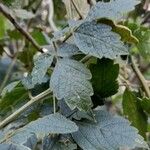
Cardiospermum grandiflorum
Balloonvine · Heartseed · Heartseedvine · Showy balloonvine · Wild supple jack
Description
Source: leafsnapCardiospermum grandiflorum, commonly known as showy balloonvine, heart pea or heart seed, is a species of climbing plant native to eastern Argentina and Brazil.
Care Guide
💧 Water
Balloon vine thrives in moist and humid conditions, typical of its tropical habitat. To support optimal growth, it needs to be watered weekly. This plant is usually grown outdoors and flourishes during the rainy season, when it can take advantage of the natural water supply.
How should I water my Balloon vine in the best way?
To ensure the health of the Balloon vine, it is recommended to use filtered water at room temperature for watering. This is because tap water may contain harmful particles. The Balloon vine is accustomed to warm environments, so using cold water can be a shock to its system. It is also advised to avoid overhead watering as it can cause issues with the foliage. Instead, slowly apply the filtered room temperature water directly to the soil until it is completely soaked. This will help the roots stay moist and gather the necessary nutrients for the plant to thrive.
What should I do if I give my Balloon vine too much or too little water?
Overwatering is a common issue for Balloon vine plants and can cause wilted and yellowing leaves. It can also lead to diseases like root rot, mold, and mildew, which can be fatal. Underwatering is less common, but can make the leaves brittle and brown. It's important to recognize the signs of overwatering early, as some diseases may not be fixable if not addressed promptly. Reduce watering if you see signs of overwatering and check the soil drainage. Replace poorly draining soil with a loose, well-draining potting mix. If the plant is underwatered, simply increase watering until the signs subside.
How frequently should I water my Balloon vine?
If your Balloon vine is in a pot, the most precise way to determine if it needs water is by checking the soil. Stick your finger into the soil and if the top two to three inches are dry, it's time to water. If your Balloon vine is growing outdoors in the ground, you can use a similar method. Check the soil and if the first few inches are dried out, it's time to water. Usually, during spring and early fall, watering once a week is enough. However, during extremely hot weather, you may need to water twice or more per week. It's worth noting that mature and well-established Balloon vines are more resistant to drought.
How much water does my Balloon vine require?
When watering your Balloon vine, don't be afraid to give it plenty of water. Wait until the top two to three inches of soil are dry, then make sure to thoroughly soak the entire soil. It's important to add enough water so that excess water drains out of the bottom of the pot. If you don't see any excess water draining, you may not have given enough water. However, be careful not to let water accumulate in the soil as this can harm the plant. Also, if water isn't draining from the pot, it could mean that the soil doesn't drain well, which is not good for the plant's health. If the plant is outside, 1 inch of rain per week will be sufficient.
How do I water my Balloon vine when it is growing at different stages?
The water requirements of the Balloon vine can vary throughout its growth stages. In the initial years and after transplanting, it is important to provide more water. This is because the plant is focused on developing new roots which require additional moisture for optimal growth. As the Balloon vine matures, it will require less water. Additionally, during the blooming period, the flower development process uses a significant amount of moisture, so it may be necessary to increase watering during this time.
☀️ Light Partial sun
Balloon vine is native to habitats like forest understories or rocky areas, where it occurs in natural shade. It prefers partial sun but can tolerate full sun or full shade, showing its versatile and hardy nature.
What are the sunlight requirements for Balloon vine?
Balloon vine (Cardiospermum grandiflorum) thrives in partial sun, requiring about 3-6 hours of sunlight per day, but it can also grow in full sun, which implies it needs over 6 hours of sunlight daily. For optimal growth, it's essential to observe the movement of sunlight through your garden to find spots offering a balance of light and shade. This plant is adaptable and can also tolerate full shade, making it suitable for varied lighting conditions, such as forest understories or rocky areas which are its native environments.
How does artificial lighting benefit indoor Balloon vines?
Indoor Balloon vines require adequate lighting for optimal growth, which can be supplemented by artificial lights when natural sunlight is insufficient, especially in winter or less sunny spaces. LED lights are preferred for their customization to specific wavelengths needed by plants. Full sun plants need 30-50W/sq ft, partial sun plants require 20-30W/sq ft, and full shade plants need 10-20W/sq ft of artificial light. The light source should be placed 12-36 inches above the plant, mimicking natural sunlight, and it's advised to keep the light on for 8-12 hours a day to simulate natural daylight hours.
What are the symptoms of light deficiency in Balloon vine?
Balloon vine shows several symptoms when grown in insufficient light, including smaller new leaves, leggy or sparse growth, faster leaf drop, slower or halted growth, and paler or irregularly colored new leaves. These symptoms indicate the plant's struggle with light deficiency, impacting its photosynthesis and overall health. Additionally, excessive sunlight can cause chlorosis, sunscald, leaf curling, wilting, or leaf scorching, highlighting the importance of providing balanced light conditions.
How can you mitigate light deficiency problems in Balloon vine?
To address light deficiency in Balloon vine, gradually adapt the plant to changing light conditions by shifting it to sunnier spots each week until it receives the ideal 3-6 hours of direct sunlight daily. For plants that are large or not easily movable, consider using artificial light sources like desk or ceiling lamps, or invest in professional plant grow lights, keeping them on for at least 8 hours daily. Outdoors, move plants to sunnier locations gradually to prevent sunburn. Removing obstructions, like pruning trees that block sunlight, and transplanting smaller plants to sunnier spots with good drainage can also help improve light exposure.
🌡️ Temperature 20–41.1°C
Balloon vine comes from tropical areas, where the climate is typically warm and humid. Consequently, it is well suited to high temperatures and moisture. It does not tolerate sudden temperature changes and prefers a consistent thermal environment, so it is important to prevent temperature fluctuations indoors. It generally cannot withstand cold and needs warmer conditions for growth. If the surrounding temperature falls too low, the plant may stop growing or even die.
What is the botanical name of Balloon vine?
The botanical name of Balloon vine is Cardiospermum grandiflorum.
💨 Humidity
🪴 Soil 5-7
🌱 Fertilizer
Proper fertilization is essential for Balloon vine's health and appearance. Fertilize the Balloon vine in summer, repeating the treatment monthly during the summer months. Nutrients provide the energy for growth and help maintain the plant's parts. Fertilizing improves the Balloon vine's flowering display, ensuring the best blooms.
🪴 Pot & Repot
✂️ Pruning
Balloon vine is a fast-growing plant known for its large, heart-shaped leaves and decorative seed pods. To encourage bushier growth and remove dead branches, it is best to prune between early and late spring. Regular pruning helps control the vine's spread, enhances flower production, and ensures a more manageable appearance.
🌿 Propagating
🐛 Diseases & pets
☠️ Toxicity
Characteristics
- Plant Type
- Herb, Vine
- Life Cycle
- Perennial
- Genus
- Cardiospermum
- Family
- Sapindaceae
- Hardiness Zone
- 9-13
- Mature Height
- 10.06 m
- Mature Spread
- 6.1 m
- Leaf Color
- Green, Dark Green
- Leaf Type
- Deciduous
- Flower Color
- White
- Flower Size
- 0.76 cm to 1.02 cm
- Bloom Time
- Late spring, Summer, Fall
- Planting Time
- Spring, Summer, Autumn
- Harvest Time
- Mid summer, Late summer, Fall, Early winter, Mid winter
- Native Area
- Belize, Angola, Mexico, Guatemala, Rwanda, Nigeria, Guinea-Bissau, Jamaica, Zimbabwe, Benin, Uruguay, Paraguay, Sierra Leone, Argentina, Cameroon, Liberia, Mozambique, Venezuela, Brazil, Ghana, Congo, Central African Republic, Honduras, Peru, Zambia, Sudan, Guinea, Panama, Colombia, Bolivia, Togo, Guyana, Nicaragua, Eswatini, Côte d'Ivoire, Ecuador, Costa Rica, Congo (DRC)