Italian thistle demonstrates strong disease resistance and is typically not prone to illnesses. Still, it can be vulnerable to pests and diseases present in its environment; these problems are generally not serious. Regarding upkeep, the plant needs moderate maintenance. It should be pruned regularly to preserve its appearance and promote healthy growth. Applying fertilizer can also encourage flowering. Italian thistle is appropriate for anyone who has outdoor space, such as a garden or patio, and does not demand extensive care experience. It may need more attention when cultivated indoors.
How to keep Carduus Litigiosus.
Light
Italian thistle comes from sunny, open habitats where it does best in full sun. While it can tolerate some shade, it favors direct sunlight for optimal growth. This plant, which can be annual or biennial, is noted for its sun-loving habit.
Water
Italian thistle flourishes in Mediterranean climates, where it prefers dry conditions. To maintain its health, it requires weekly watering, although its drought tolerance makes it suitable for xeriscaping. Typically found in sunny outdoor areas, Italian thistle adjusts its growth according to seasonal rainfall.
Temperature
Italian thistle can adapt to a wide range of temperature conditions, but its distribution may still be restricted by different combinations of water and heat. It grows best in warm summer climates with adequate rainfall or watering. Extended periods of cloudy, rainy weather or sustained high temperatures can increase the likelihood of Italian thistle dying. In winter, appropriate protection against cold can improve the plant's survival rate.
Fertilizer
Italian thistle requires regular fertilization to encourage flowering but is intolerant of excessive amounts. It needs small, frequent applications of fertilizer throughout its entire life cycle, especially during the peak period of active growth and while it is flowering. Continue feeding your Italian thistle until it stops blooming.
Pruning
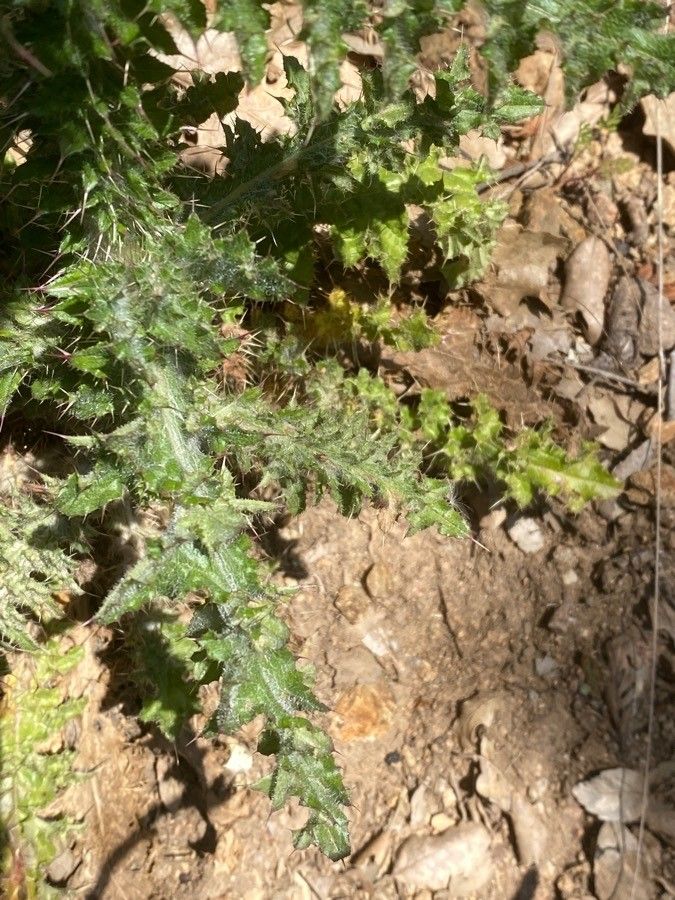
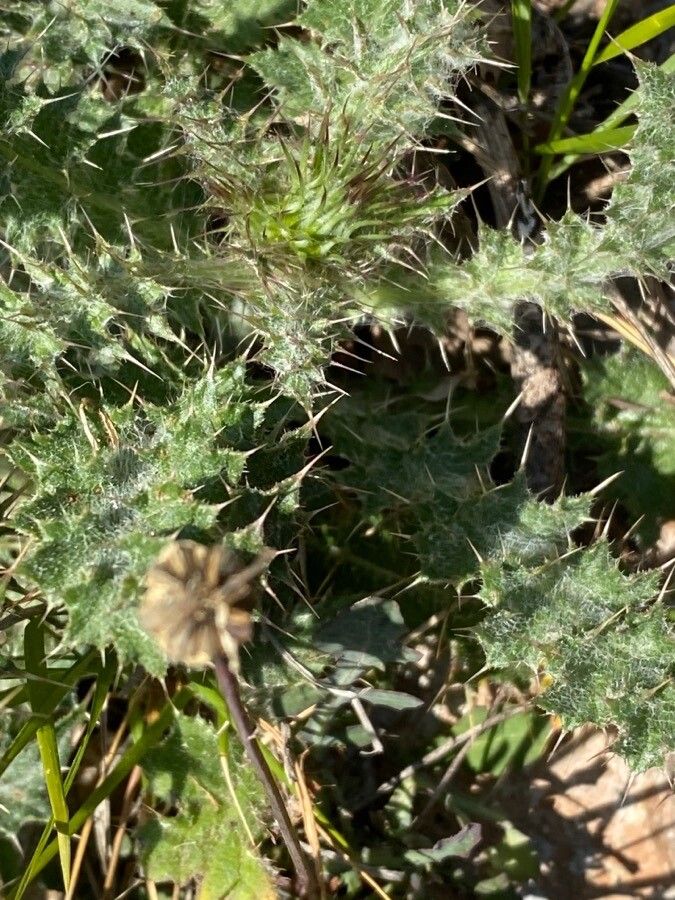
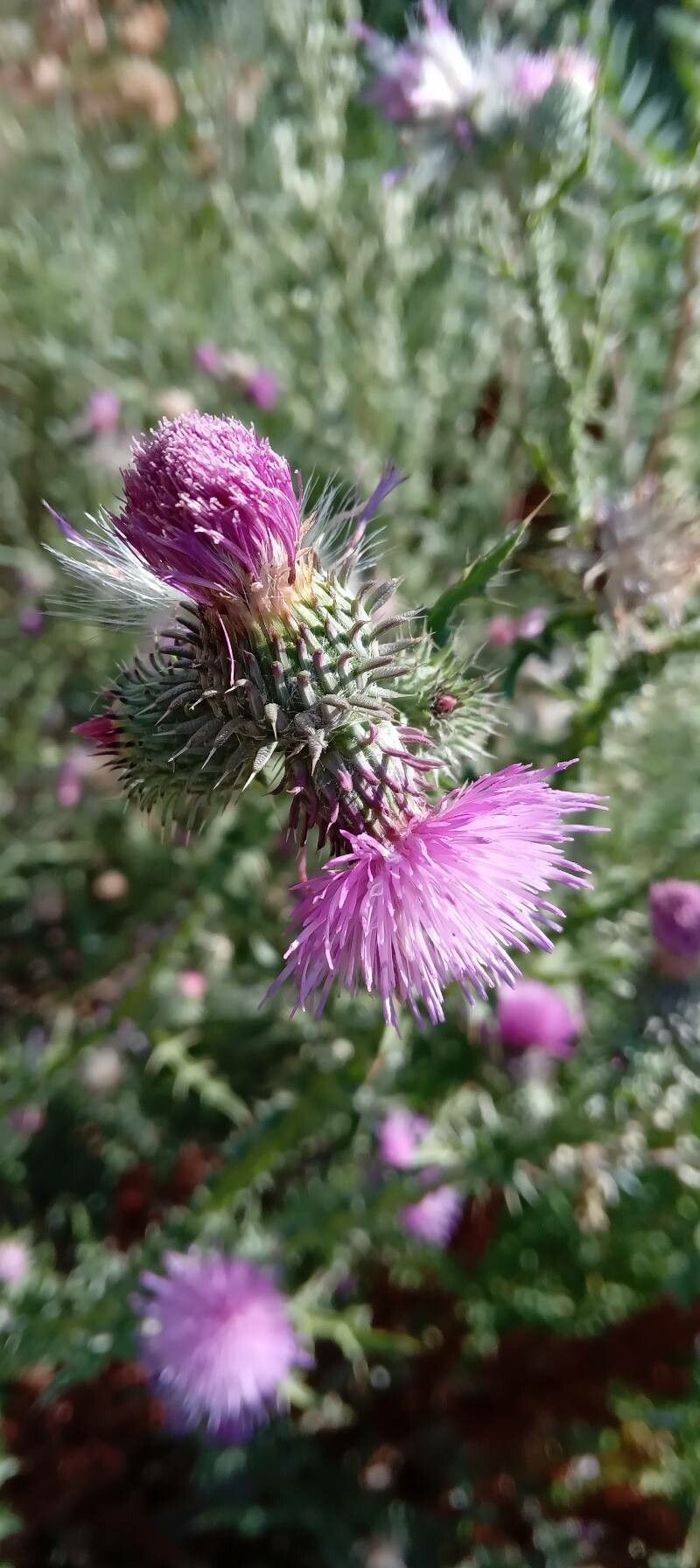
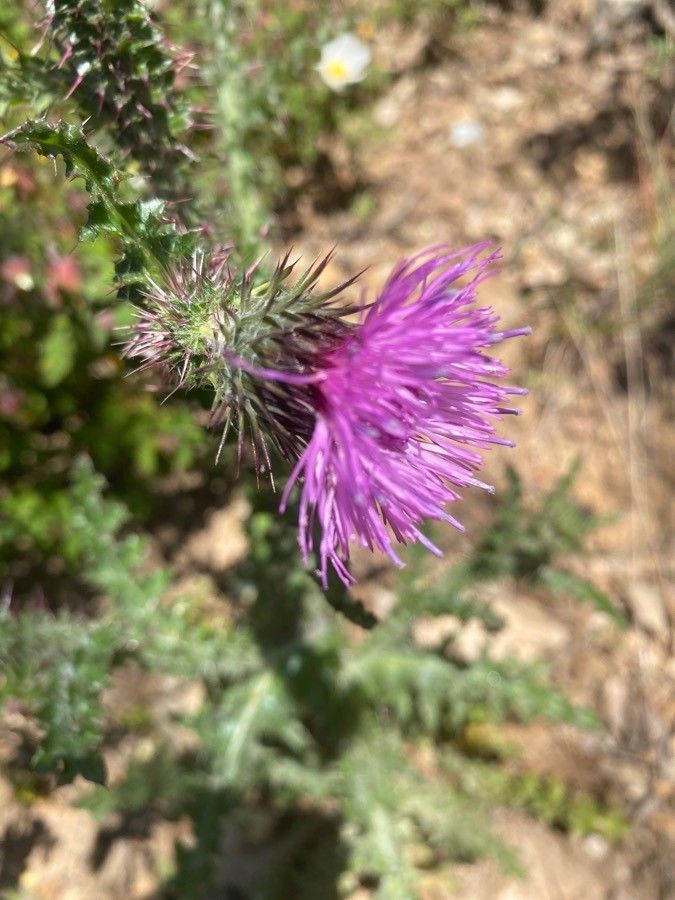
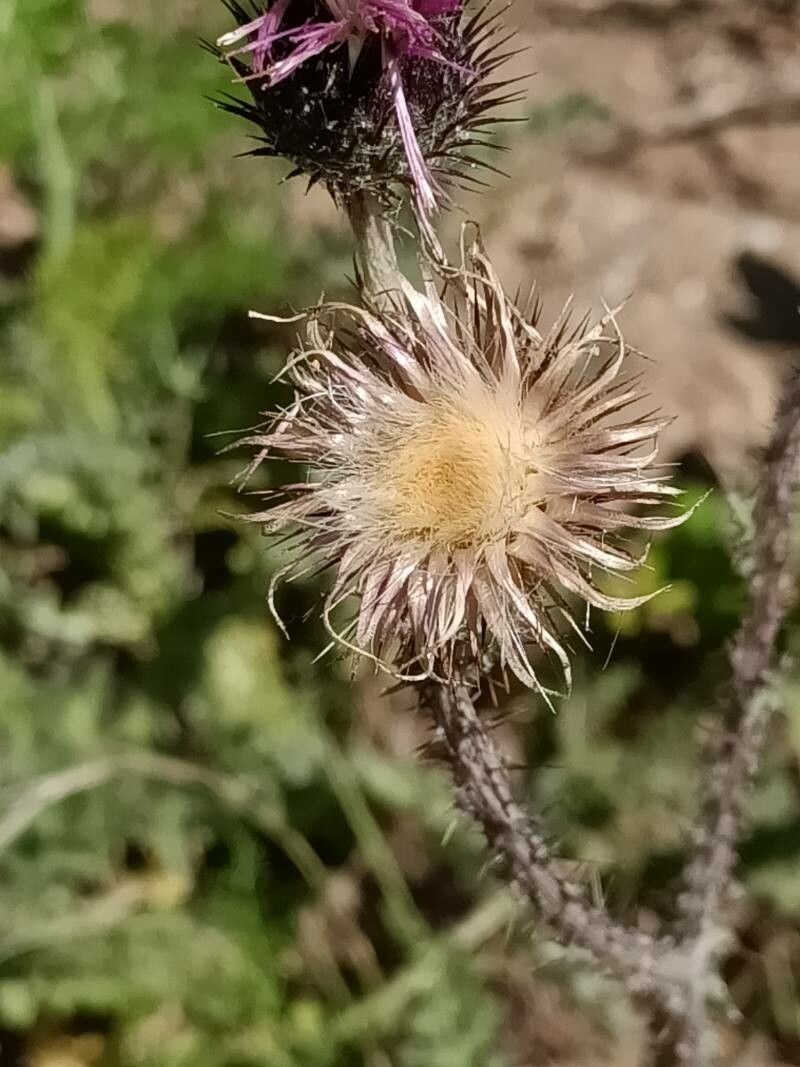
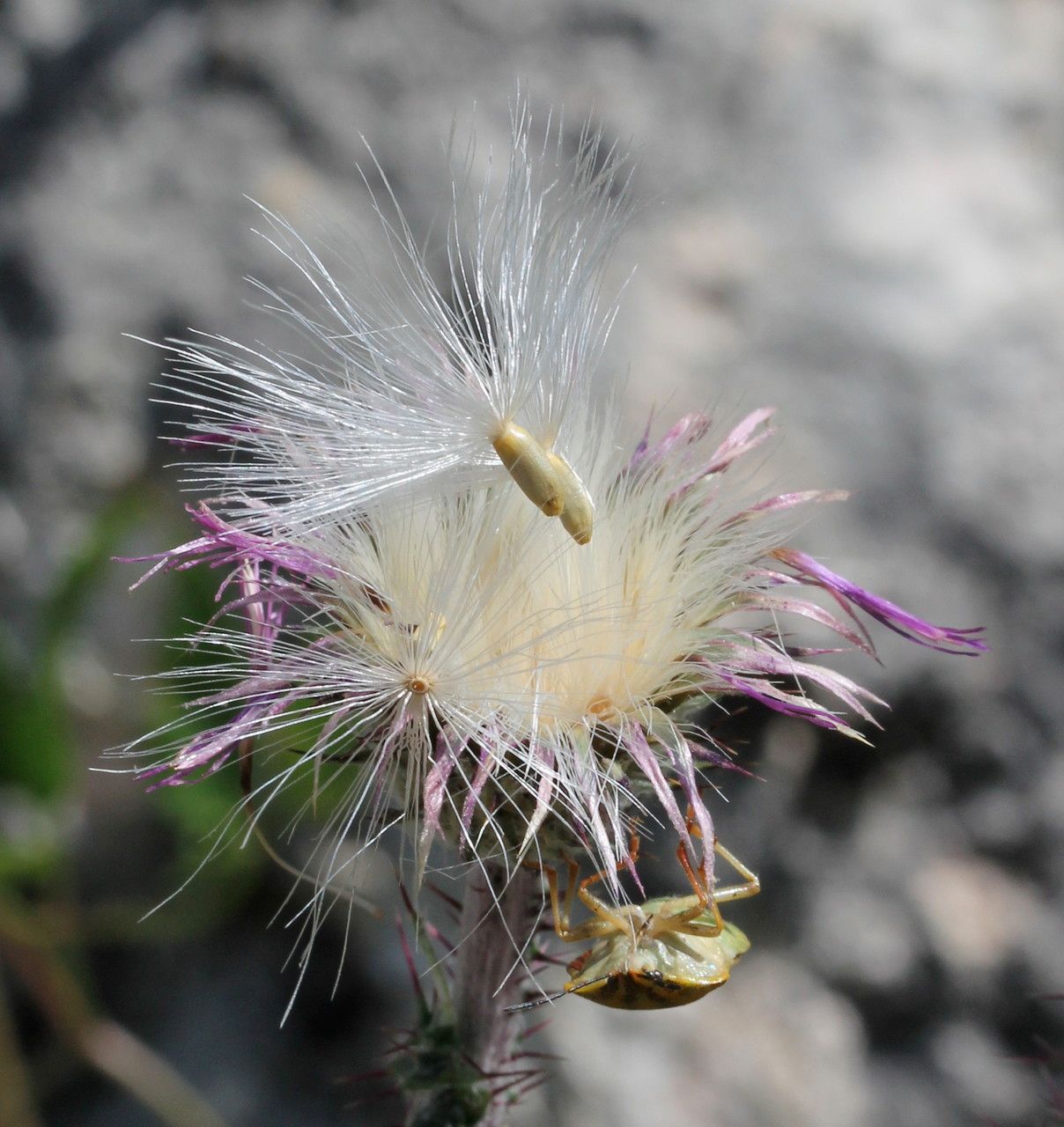
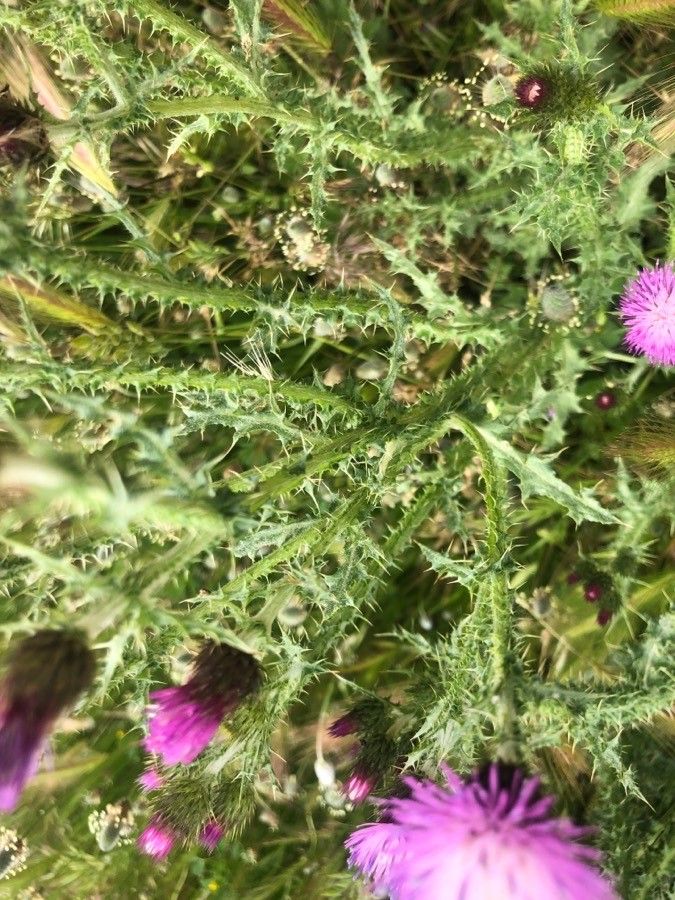
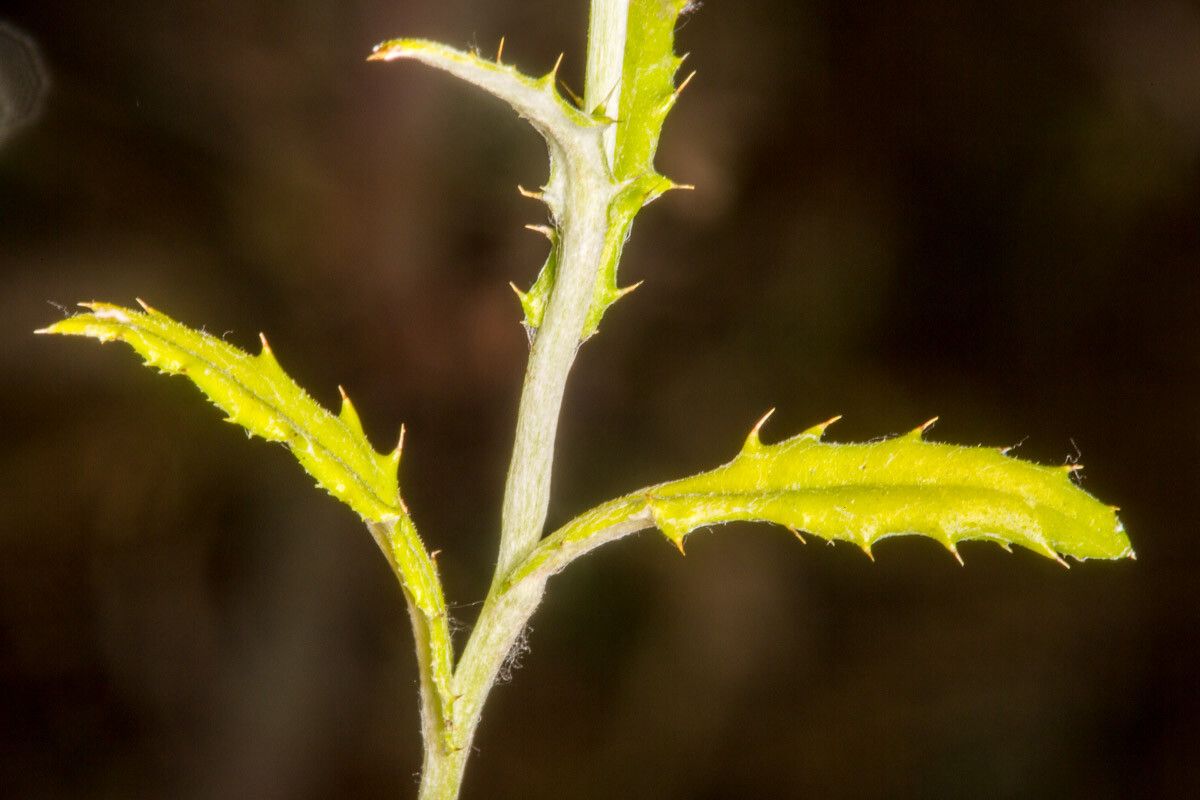
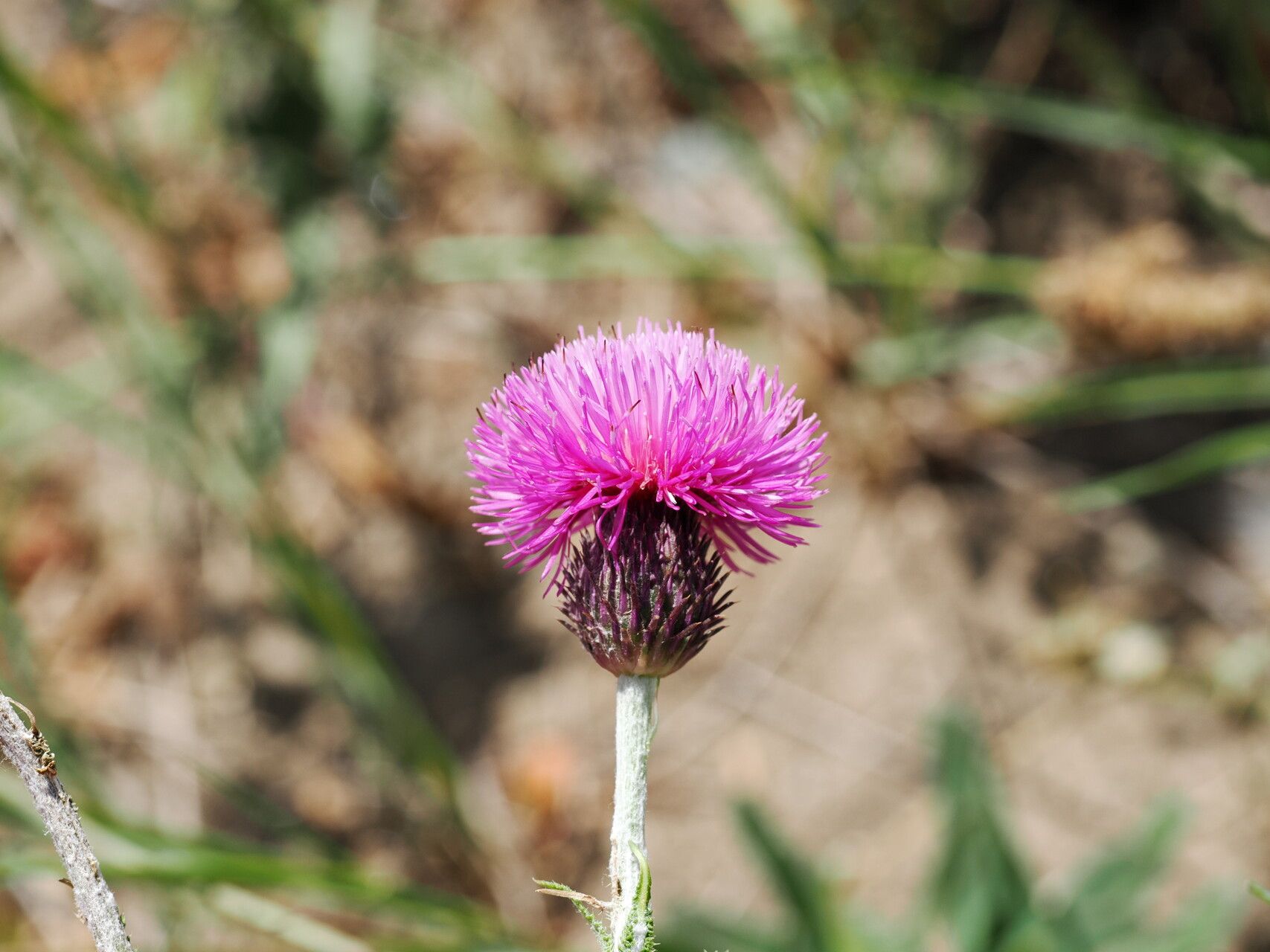
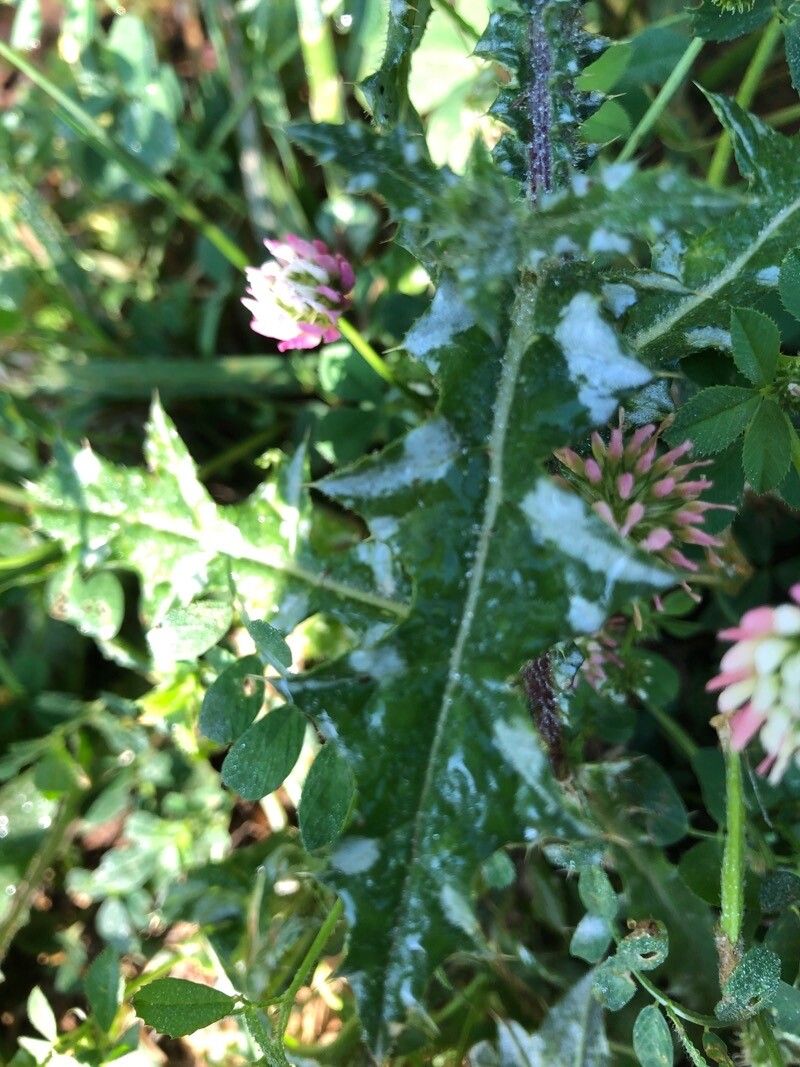
Italian thistle has spiny leaves and purple flower heads. To keep it compact and reduce seed spread, prune from early to late spring by cutting above the basal rosette. Regular pruning helps control its invasiveness and supports healthy growth. Be sure to wear protective gloves while handling it to prevent injury.
Botanical profile.
- Plant Type
- Herb
- Life Cycle
- Biennial
- Genus
- Carduus
- Family
- Asteraceae
- Hardiness Zone
- 7-10
- Mature Height
- 30 cm to 91 cm
- Mature Spread
- 20 cm to 49 cm
- Leaf Color
- Green, Dark Green
- Leaf Type
- Deciduous
- Flower Color
- Purple, Lavender
- Flower Size
- 2.03 cm to 4.06 cm
- Bloom Time
- Early summer, Mid summer
- Planting Time
- Spring, Summer, Autumn
- Harvest Time
- Late summer, Early fall
Other names.
Reader questions.
What are the sunlight requirements for Italian thistle (Carduus litigiosus)?
Italian thistle, or Carduus litigiosus, thrives in conditions where it can receive a specific amount of sunlight. For optimal growth, it requires full sun, which means it should be exposed to more than 6 hours of sunlight a day. There is also the option for partial sun, suitable for plants that need about 3-6 hours of sunlight daily. It's crucial to observe how sunlight moves through your garden throughout the day. This observation will help you identify spots that offer an ideal balance of light and shade, ensuring your Italian thistle plants remain healthy and happy.