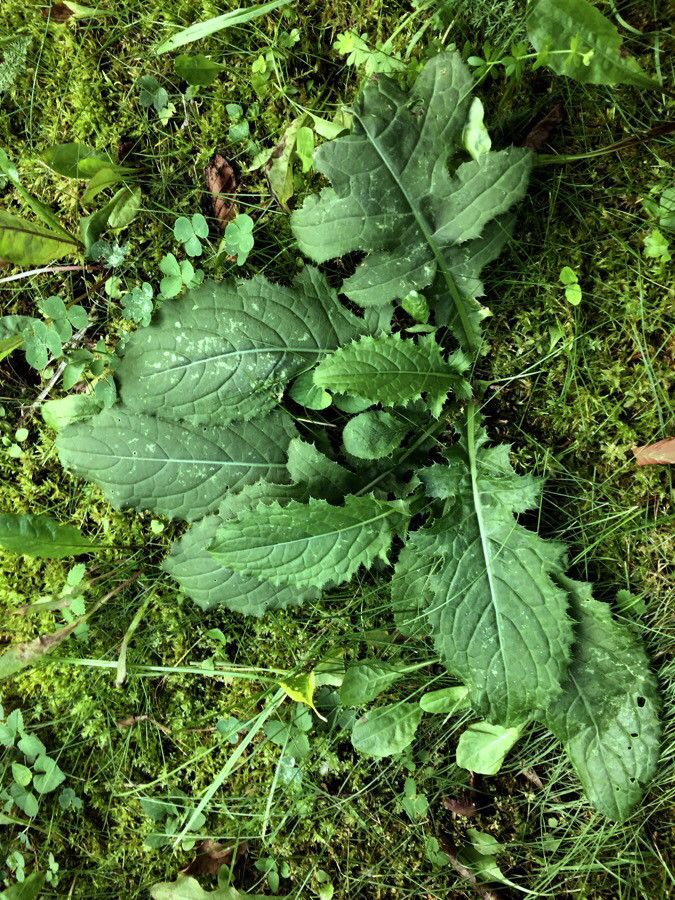
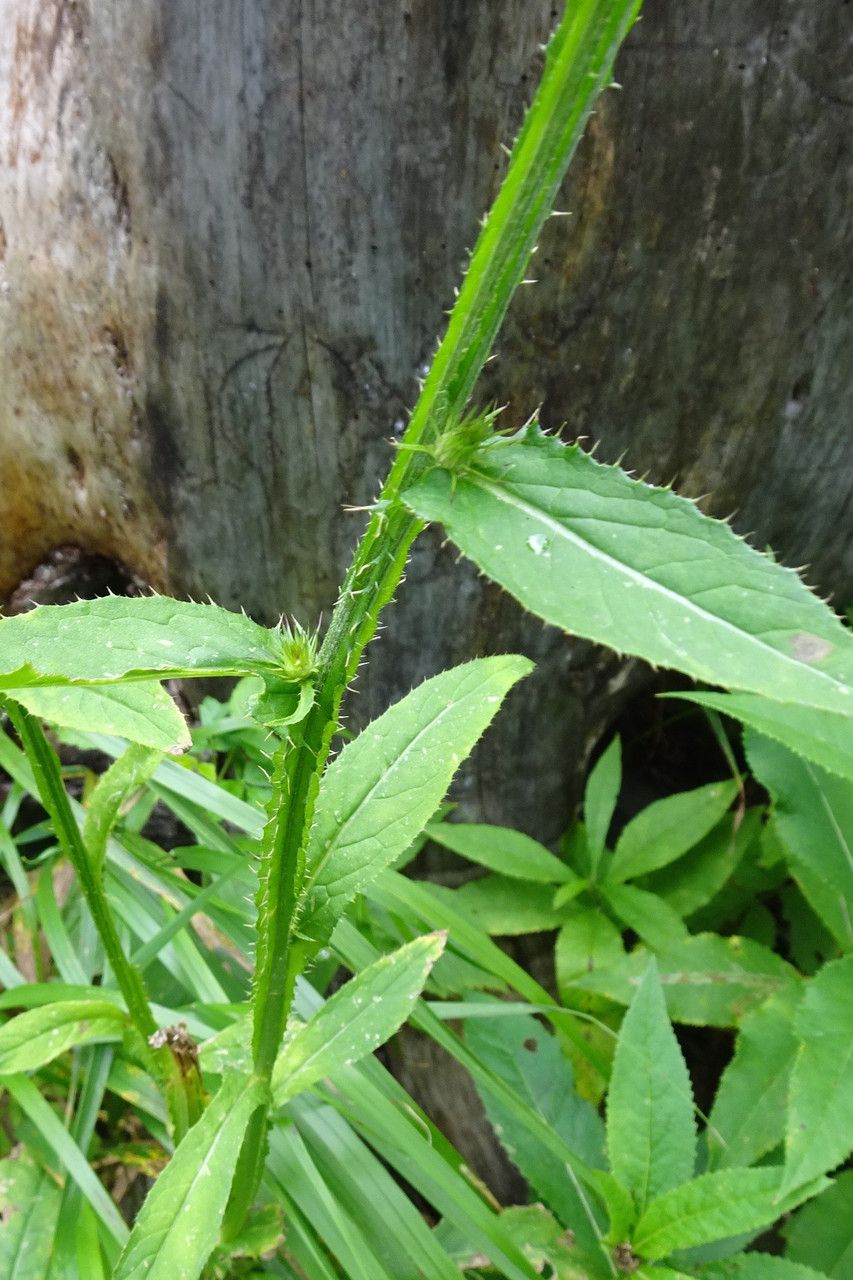
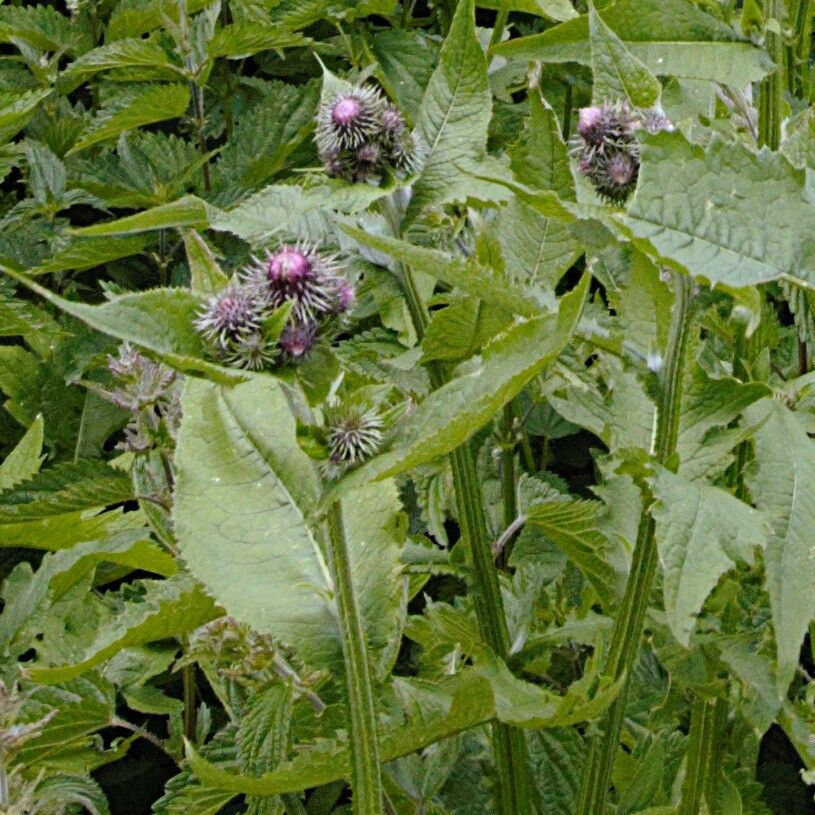
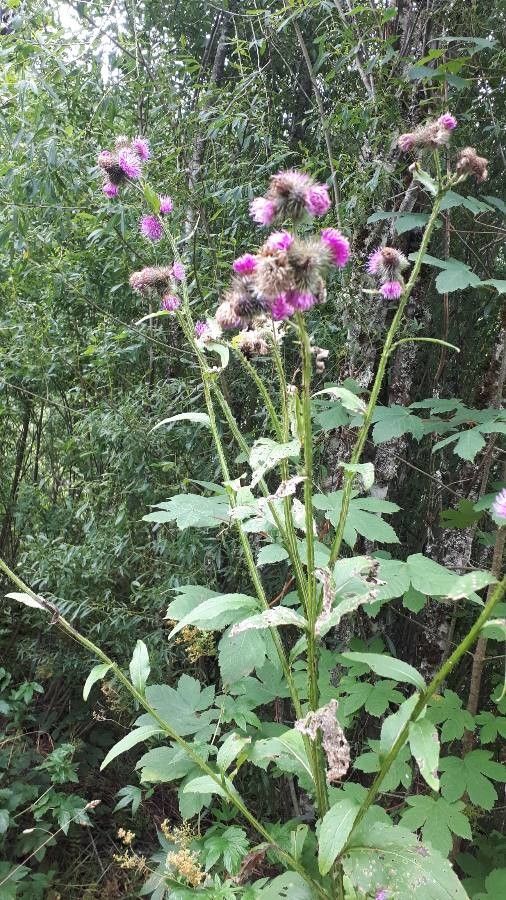
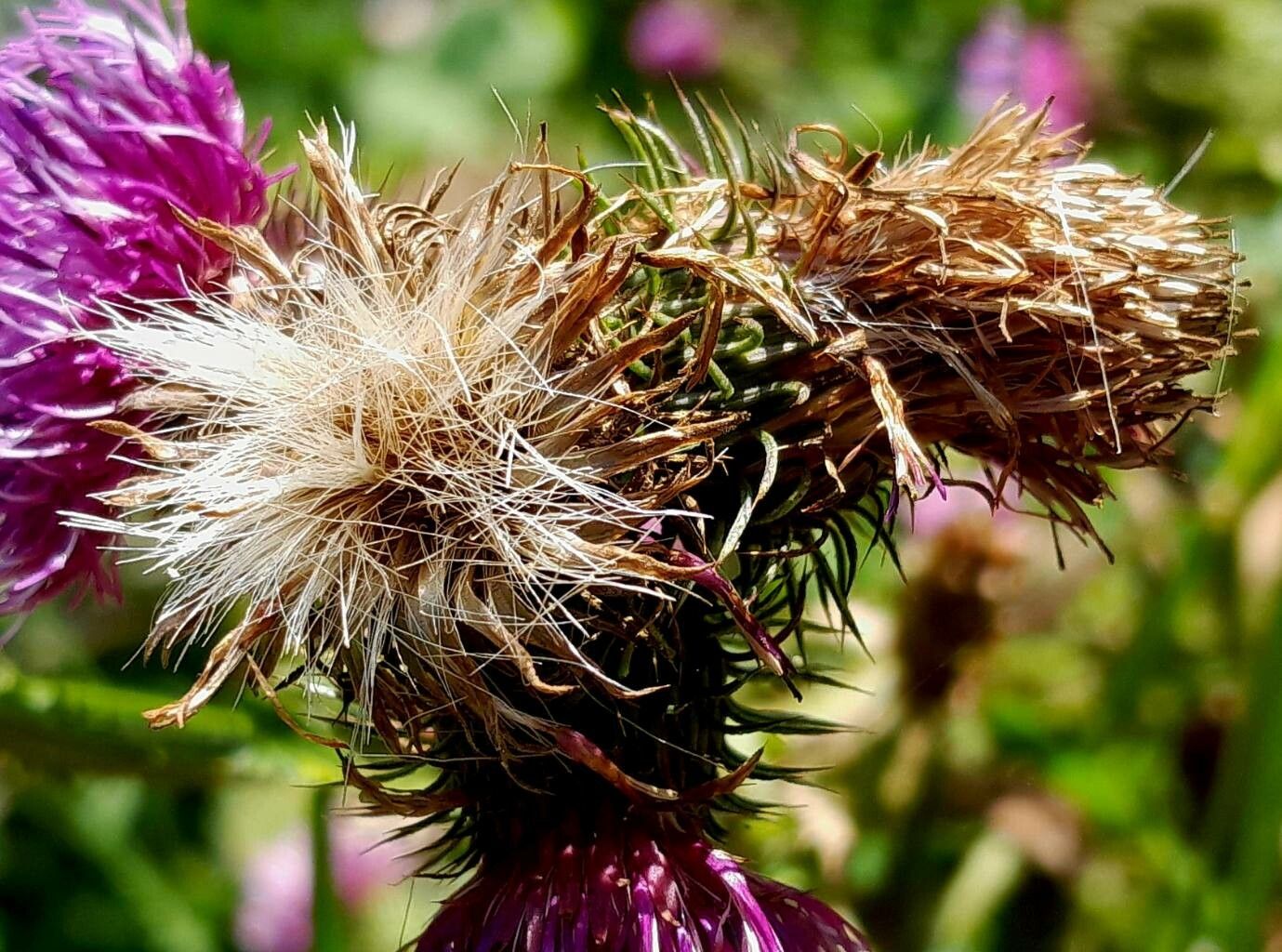
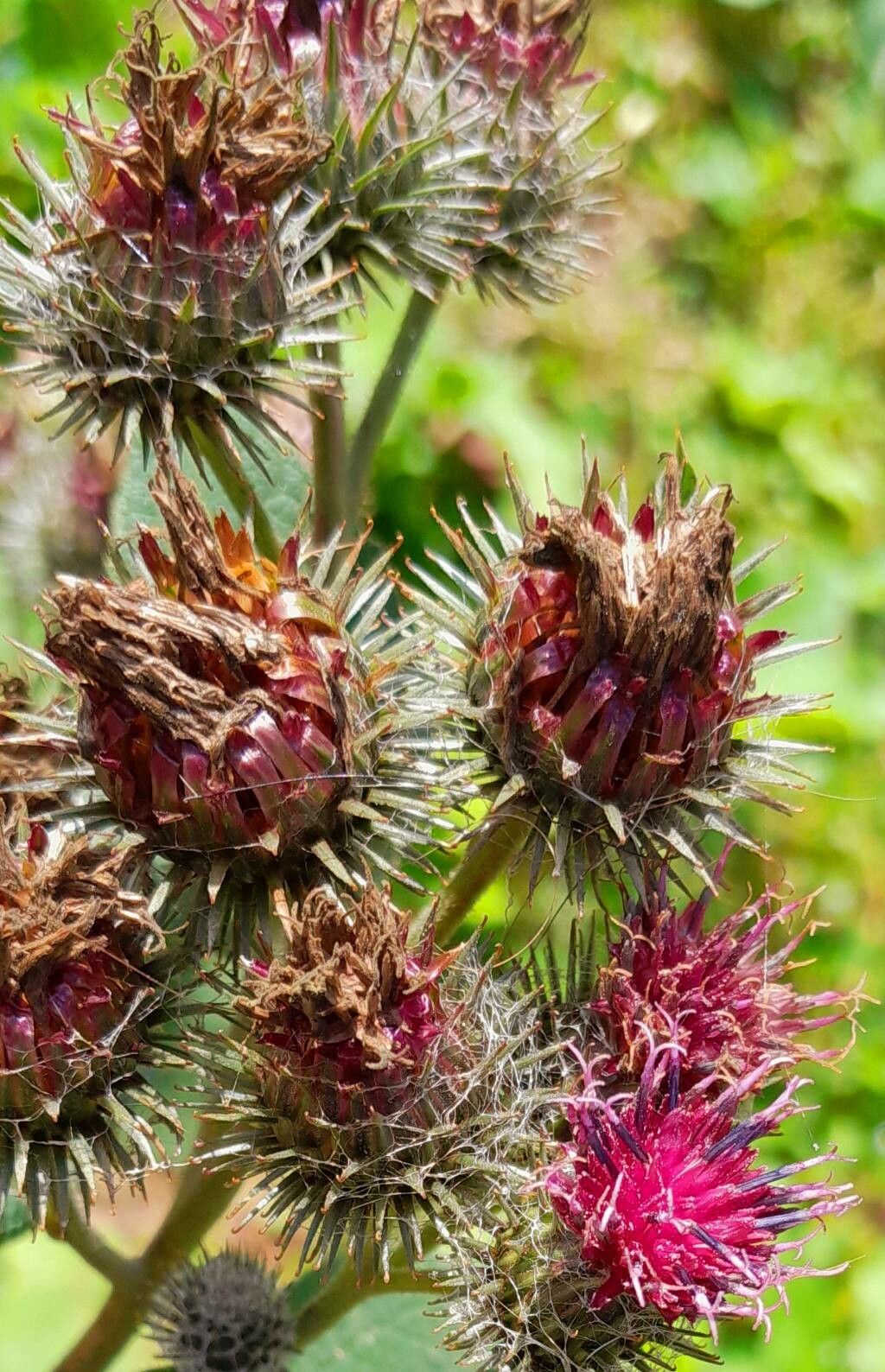
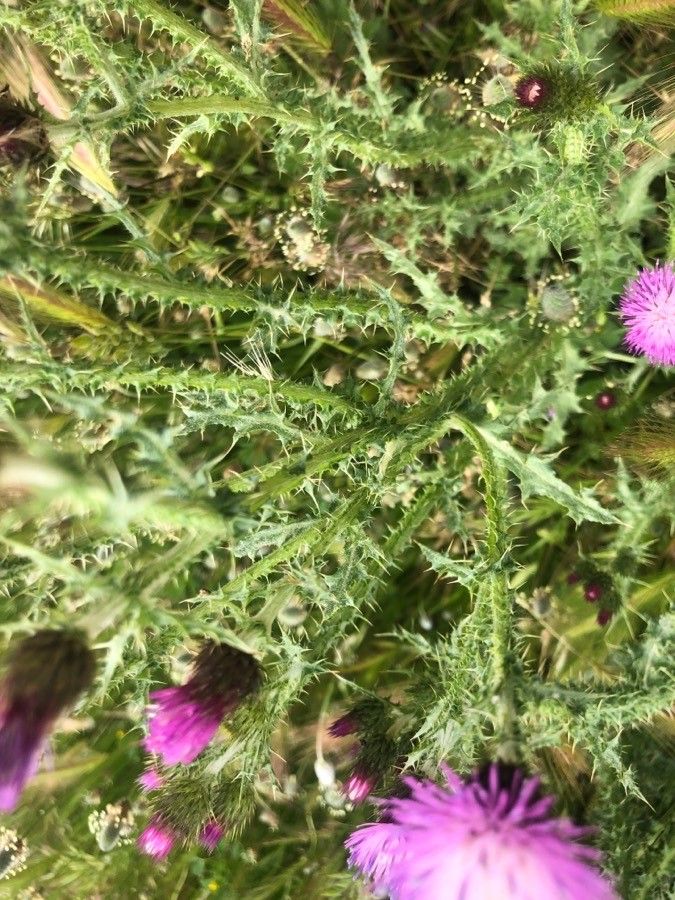
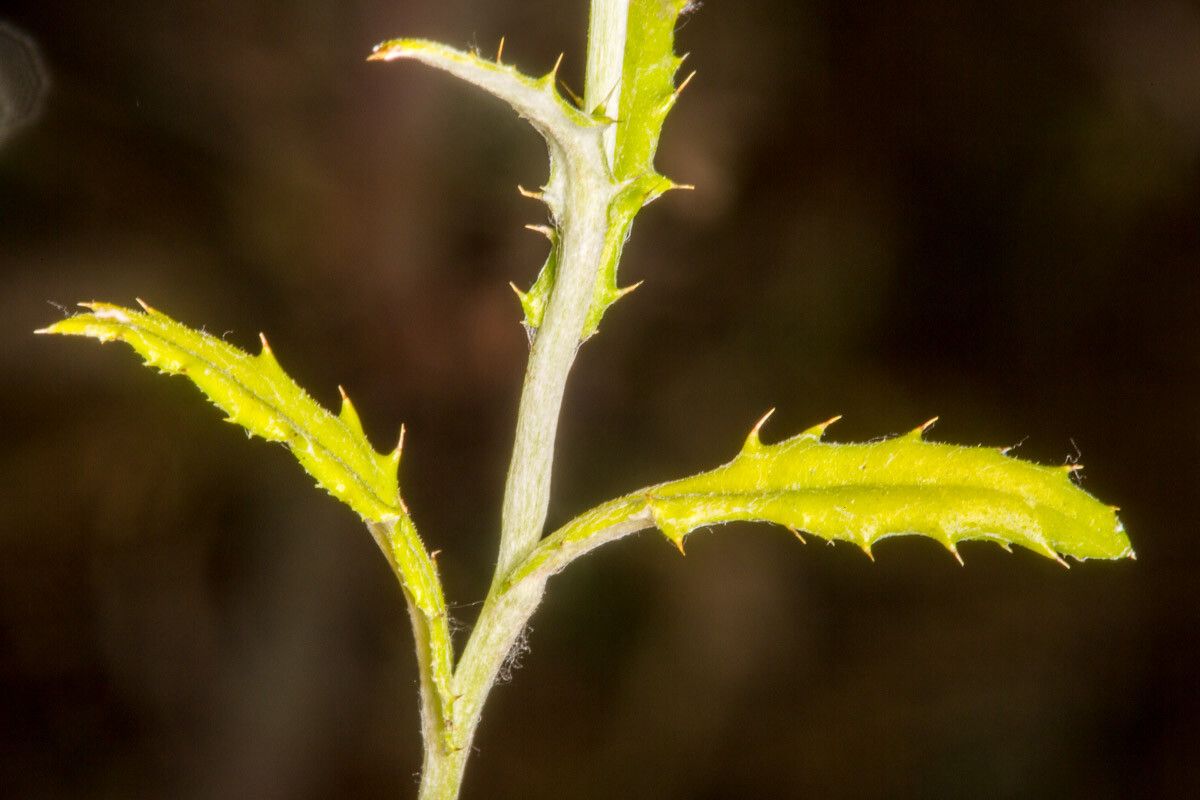
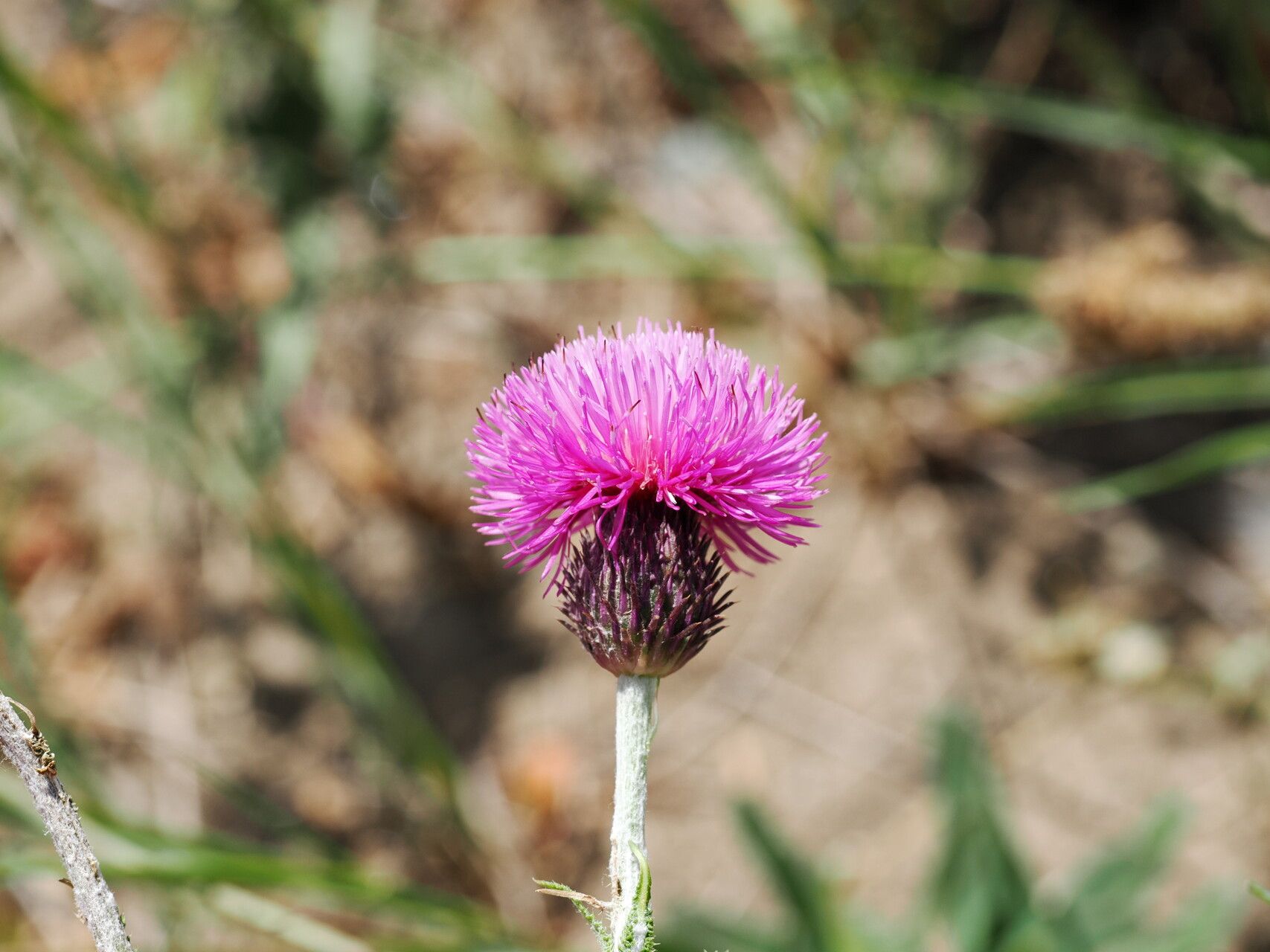
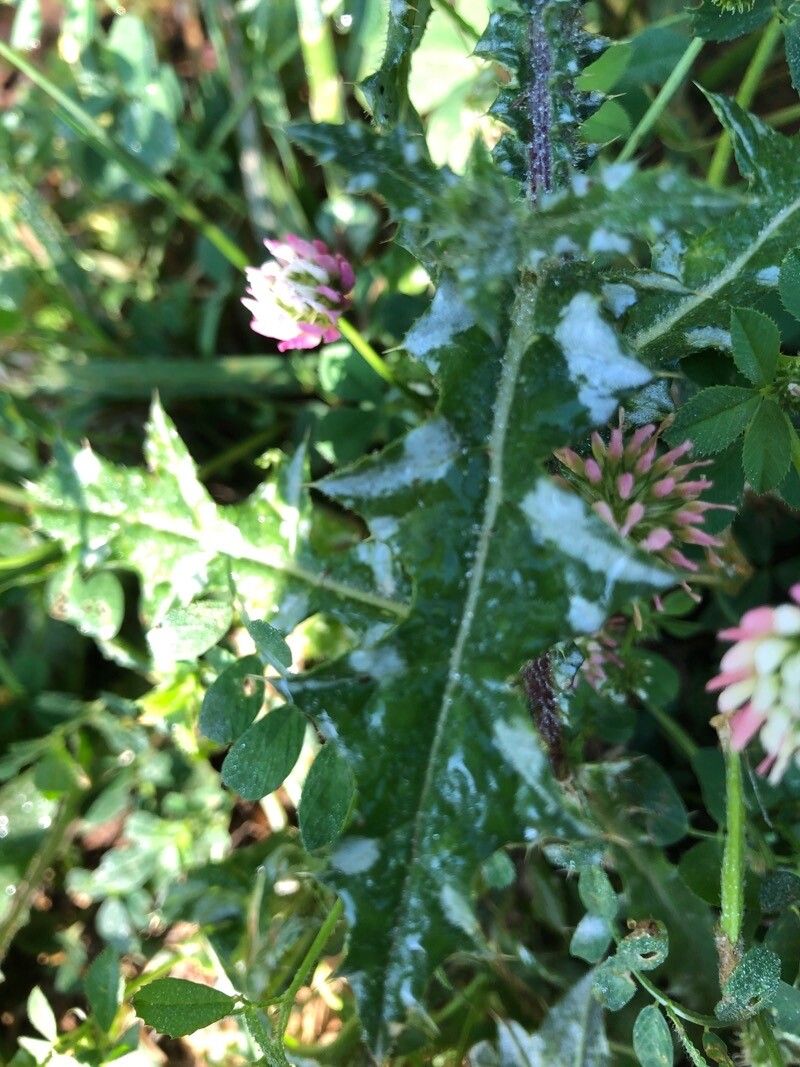
Carduus personata is a perennial herbaceous plant in the family Asteraceae.
Great marsh thistle has strong disease resistance and is generally not prone to illnesses. However, it can be vulnerable to pests and diseases present in its environment; these problems are usually not severe. For care, the plant requires a moderate amount of maintenance. It should be pruned regularly to keep a neat appearance and support healthy growth. Fertilizing can also help encourage more flowering. Great marsh thistle is suitable for anyone with outdoor space, such as a garden or patio, and does not demand extensive care experience. It may need greater attention if grown indoors.
How to keep Carduus Personata.
Light
Great marsh thistle is a perennial, herbaceous plant that prefers sunny sites and comes from open habitats, frequently occurring in meadows and grasslands. It prefers full sun but can also tolerate partial sun.
Water
The great marsh thistle thrives in conditions with consistent moisture and regular hydration. Ideally, it should be watered weekly while avoiding waterlogging. When grown outdoors, this plant benefits from rainwater during its growing season, which helps it fulfill its ecological role in moist environments.
Temperature
Great marsh thistle is naturally adapted to temperate climates, with its native habitat experiencing temperatures from 50 to 95°F (10 to 35 ℃). For optimal growth, keep it within this temperature range and adjust as the seasons change.
Fertilizer
For Great marsh thistle, the best time to apply fertilizer is in early spring when the flowers are beginning to form. The appropriate fertilizer promotes stronger blooms and helps the Great marsh thistle produce attractive flowers. Fertilizing in early spring produces excellent flowers through the season and supplies energy for dormant growth phases.
Pruning
Pruning the great marsh thistle from early to late spring is essential for promoting healthy growth. Start by removing dead stems and trimming weak branches to improve air circulation and sunlight exposure. Pruning not only enhances blooming but also helps prevent the plant from becoming invasive. Always use sharp, clean tools to minimize the risk of disease.
Botanical profile.
- Plant Type
- Herb
- Life Cycle
- Perennial
- Genus
- Carduus
- Family
- Asteraceae
- Hardiness Zone
- 6-9
- Mature Height
- 1.22 m to 2.13 m
- Mature Spread
- 30 cm to 61 cm
- Leaf Color
- Green, Dark Green
- Leaf Type
- Deciduous
- Flower Color
- Red, Purple
- Flower Size
- 2.03 cm to 2.54 cm
- Bloom Time
- Summer
- Planting Time
- Spring, Summer
- Harvest Time
- Late summer, Early fall, Mid fall
Other names.
Reader questions.
What are the sunlight requirements for growing a Great marsh thistle (Carduus personata)?
The Great marsh thistle, also known as Carduus personata, thrives in various sunlight conditions to ensure it receives the proper amount of light for optimal growth. For full sun exposure, ensure it gets above 6 hours of sunlight daily. If your garden provides partial sun, about 3-6 hours of sunlight would be sufficient. It's important to observe the movement of sunlight through your garden closely, selecting locations that offer a balanced mix of light and shade to meet your plants' needs and promote their wellbeing.
What is the optimal temperature range for growing Great marsh thistle?
The Great marsh thistle, botanically known as Carduus personata, thrives best in temperate climates. Its ideal native growth environment ranges in temperature from 50 to 95°F (10 to 35°C). To ensure optimal growth of the Great marsh thistle, it's important to maintain this temperature range, making necessary adjustments during different seasons to accommodate for any significant changes in weather conditions.