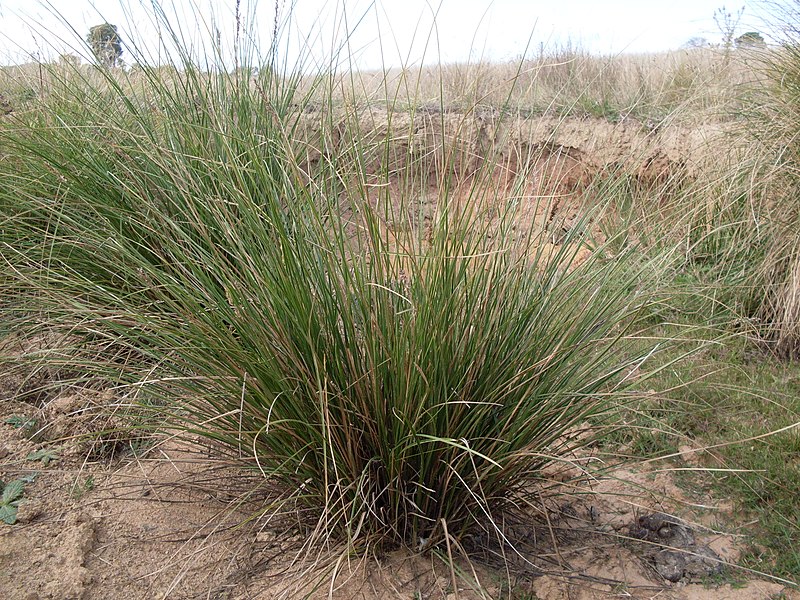
Carex appressa
Tall Sedge · Tussock sedge
Description
Source: leafsnapCarex appressa, the tall sedge, is a species of flowering plant in the family Cyperaceae. It is native to New Guinea, Australia, New Zealand, and generally in the South West Pacific.
💡 In 1754, Lin Nai established the genus known as "true sedge." This plant is a significant component of China's flora and is the dominant grass species in the lowest layer of many forests. In some areas, true sedge makes up most of the lower vegetation.
Care Guide
💧 Water
☀️ Light Partial sun
The tussock sedge is indigenous to habitats like forest understories or rocky terrains where it is naturally shaded. It thrives best in semi-sunny conditions, however, it has the ability to adjust to fully sunny or completely shaded areas, showing its adaptable and robust character.
What are the sunlight requirements for Tussock sedge?
Tussock sedge, or Carex appressa, thrives in specific sunlight conditions to ensure optimal growth. The plant requires 'Full sun' exposure, meaning it should receive above 6 hours of sunlight daily. Alternatively, it can also grow in 'Partial sun' conditions, which is about 3-6 hours of sunlight each day. It's important to observe how sunlight moves through your garden throughout the day. Carefully choosing planting spots that provide a good balance of light and shade will support the health and happiness of your Tussock sedge.
🌡️ Temperature 15–35°C
The Tussock sedge can adjust to numerous temperature conditions, although its spread might be constrained by varying mixtures of heat and water conditions. It flourishes optimally in summer's hot climates provided there is sufficient rain or watering. Extended spells of overcast and rainy conditions, along with sustained high temperatures, can enhance the probability of Tussock sedge perishing. During the winter, appropriate safeguarding against cold can augment the plant's chances of survival.
What is the botanic name of Tussock sedge?
The botanic name of Tussock sedge is Carex appressa.
💨 Humidity
🪴 Soil 6-7
🌱 Fertilizer
For optimal development and robust growth, Tussock sedge needs additional nutrients. By applying compost around the base of the plant in the spring, the required nutrition can be effectively supplied. Fertilization contributes to promoting strong growth and enhances the plant's ability to withstand diseases and pest infestations.
🪴 Pot & Repot
✂️ Pruning
Tussock sedge flourishes in wet conditions and benefits from timely pruning. To promote healthy growth and minimize pests, it's important to remove dead leaves in early spring. Always use clean tools to prevent infections. Regular pruning not only enhances the plant's appearance but also encourages vigorous development throughout the season.
🌿 Propagating
🐛 Diseases & pets
☠️ Toxicity
Characteristics
- Plant Type
- Grass
- Life Cycle
- Perennial
- Genus
- Carex
- Family
- Cyperaceae
- Hardiness Zone
- 7-10
- Mature Height
- 0.49 m to 1.22 m
- Mature Spread
- 30 cm to 61 cm
- Leaf Color
- Dark Green
- Leaf Type
- Semi-evergreen
- Flower Size
- 0.20 cm to 0.51 cm
- Bloom Time
- Mid spring, Late spring
- Planting Time
- Spring, Summer, Autumn
- Harvest Time
- Early summer, Mid summer
- Native Area
- New Zealand