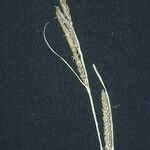
Carex aquatilis
Leafy tussock sedge · Water sedge · Aquatic sedge · Straight-leaved sedge
Description
Source: leafsnapCarex aquatilis is a species of sedge known as water sedge and leafy tussock sedge. It has a circumboreal distribution, occurring throughout the northern reaches of the Northern Hemisphere. It grows in many types of mountainous and arctic habitat, including temperate coniferous forest, alpine meadows, tundra, and wetlands. There are several varieties of this species, and it is somewhat variable in appearance. It produces triangular stems reaching heights between 20 cm (8 in) and 1.5 m (5 ft), and generally does not form clumps as some other sedges do. It grows from a dense rhizome network which produces a mat of fine roots thick enough to form sod, and includes aerenchyma to allow the plant to survive in low-oxygen substrates like heavy mud. The inflorescence bears a number of spikes with one leaflike bract at the base which is longer than the inflorescence itself. The fruits are glossy achenes, and although the plant occasionally reproduces by seed, most of the time it reproduces vegetatively, spreading via its rhizome. In fact, in any given year, most shoots produce no flowers. This perennial plant lives up to 10 years or more, can form peat as its rhizome system decomposes, and is sometimes used to revegetate areas where peat has been harvested.
💡 In 1754, Lin Nai established the genus known as "true sedge." This plant is a significant component of China's flora and is the dominant grass species in the lowest layer of many forests. In some areas, true sedge makes up most of the lower vegetation.
Care Guide
💧 Water
Water sedge, which originates from wetlands, thrives in moist environments and can tolerate waterlogged soils. It requires moderate watering, ideally once a week, and is well-suited for outdoor cultivation. Often found near ponds or streams, water sedge contributes to ecosystem stability by filtering runoff and providing habitat.
☀️ Light Full sun
Water sedge grows best in locations where it receives plenty of sunlight during the day, though it can tolerate reduced light. Native to environments with substantial daily illumination, too little sun can limit its growth, while too much can place it under stress.
What are the sunlight requirements for Water Sedge (Carex aquatilis)?
Water Sedge (Carex aquatilis) thrives in conditions that provide significant amounts of sunlight throughout the day but can also tolerate periods of less intense solar exposure. Ideal sunlight conditions include full sun, which means the plant should receive above 6 hours of direct sunlight daily, and partial sun, entailing about 3-6 hours of sunlight. It's essential to monitor the movement of sunlight through your garden to find locations that offer an optimal balance of light and shade, ensuring the plant's well-being and growth. Insufficient sunlight can inhibit growth, whereas too much sun can stress the plant.
How does artificial lighting support Water Sedge's growth indoors?
Indoor Water Sedge plants require sufficient lighting to grow optimally, especially when natural sunlight is lacking, such as in winter or less sunny interior spaces. Artificial lighting presents an excellent solution by promoting faster, healthier growth. LED lights are recommended due to their ability to provide specific wavelengths of light needed by plants. Full sun plants require 30-50W/sq ft, partial sun plants need 20-30W/sq ft, and full shade plants require 10-20W/sq ft of artificial light. The light source should be placed 12-36 inches above the plant to simulate natural sunlight, and the duration should mimic the natural daylight hours, typically 8-12 hours per day.
What symptoms indicate light deficiencies in Water Sedge?
Symptoms of light deficiency in Water Sedge include smaller new leaves, leggy or sparse growth with longer spaces between leaves or stems, faster leaf drop, slower or halted growth, and lighter-colored or pale new leaves. Insufficient sunlight leads to these signs because it impacts the plant's ability to produce chlorophyll and essential nutrients, affecting overall health and development.
How does excessive sunlight affect Water Sedge?
Excessive sunlight can be harmful to Water Sedge, leading to conditions such as chlorosis (leaves turning yellow due to chlorophyll breakdown), sunscald (damage from intense exposure appearing as pale or necrotic spots), leaf curling (a defense mechanism to reduce surface area exposure), wilting (loss of turgor pressure causing drooping), and leaf scorching (brown, dry edges or patches on leaves due to overexposure). These symptoms indicate that the plant is receiving more light than it can handle, affecting its ability to photosynthesize and sustain health.
What are the solutions for light-related issues in Water Sedge, both indoors and outdoors?
To address light-related issues in Water Sedge, gradually acclimate the plant to receive at least 6 hours of direct sunlight daily by moving it to a sunnier location each week. For indoor plants, use south-facing windows for maximum sunlight or supplement with artificial lighting for at least 8 hours daily. Outdoors, ensure a gradual transition to sunnier spots to prevent sunburn. Minimize obstructions like overhanging trees by pruning and consider transplanting smaller plants during their dormant period to locations with ample sunlight and good drainage. Remember, parts of the plant damaged by insufficient light may not recover, but new growth should be healthy once light conditions improve.
🌡️ Temperature 10–35°C
Water sedge flourishes in its native habitat where temperatures span 50 to 95 °F (10 to 35 ℃). It favors moderate climates. Relocate it or use suitable insulation during extreme temperatures.
What is the native environment temperature range for Water sedge?
Water sedge, or Carex aquatilis, thrives best in its native environment where temperatures range between 50 to 95 °F (10 to 35 °C). It prefers moderate climates and has adapted to handle these temperature ranges effectively.
Does Water sedge need frost protection during winter?
Water sedge possesses strong cold resistance and typically does not require special frost protection measures during winter. However, if winter temperatures are expected to drop below -25°C, it's important to provide protection by covering the plant with materials such as soil or straw. Additionally, watering the plant abundantly before the first freeze in autumn to ensure the soil remains moist can help prevent drought and water scarcity during winter and early spring.
How does low temperature affect Water sedge and what are the solutions?
Water sedge is cold-tolerant and generally thrives best when temperatures are kept above 10°C. In the event that temperatures fall below -25°C, the plant may not show noticeable changes during the winter but might experience a decrease in sprouting, or even fail to sprout at all, come springtime. To address this, in spring, remove any parts of the plant that have failed to sprout to encourage new growth.
What should be done if Water sedge experiences high temperatures?
During the summer months, it's important to ensure that Water sedge stays below 35°C. Exposure to temperatures exceeding 41°C can cause the leaves to lighten in color, become prone to curling and susceptible to sunburn. In severe cases, the entire plant may wilt and dry out. To mitigate this, trim away any sunburned and dried parts of the plant. Moving the plant to a shaded location or using a shade cloth to protect it from the midday and afternoon sun can help. Additionally, watering the plant in the morning and evening to maintain soil moisture is beneficial.
💨 Humidity
🪴 Soil
🌱 Fertilizer
🪴 Pot & Repot
✂️ Pruning
Recognizable by its slender leaves, water sedge benefits from proper pruning, especially of old stems in early spring. This technique encourages new growth, reduces dieback, and improves the plant's appearance and ecological function in wetland habitats, resulting in denser foliage.
🌿 Propagating
🐛 Diseases & pets
☠️ Toxicity
Characteristics
- Plant Type
- Grass
- Life Cycle
- Perennial
- Genus
- Carex
- Family
- Cyperaceae
- Hardiness Zone
- 6-10
- Mature Height
- 0.3 m to 1.22 m
- Mature Spread
- 30 cm to 61 cm
- Leaf Color
- Dark Green
- Leaf Type
- Evergreen
- Flower Color
- Green, Brown
- Flower Size
- 0.20 cm to 0.51 cm
- Bloom Time
- Late spring, Early summer
- Planting Time
- Autumn, Winter
- Harvest Time
- Mid summer, Late summer
- Native Area
- Russia, Lithuania, Norway, Germany, Sweden, Denmark, Finland, Estonia, Ireland, United Kingdom, Latvia, Belarus, Netherlands