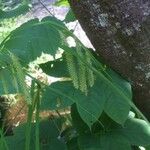
Carex crinita
Fringed Sedge
Description
Source: leafsnapCarex crinita, commonly known as fringed sedge, is a perennial plant that belongs to the family Cyperaceae. Native to North America, it thrives in wetlands, marshes, and along stream banks. The plant boasts long, narrow leaves that are dark green and can grow up to 3 feet tall. Its stems are triangular and have a brownish-green hue. The fringed sedge produces small, greenish-brown flowers that bloom from May to July. These flowers form clusters at the top of the stem, giving the plant a distinctive appearance. Fringed sedge prefers moist soil conditions but can tolerate some drought once established. It thrives in partial shade but can also handle full sun if it receives adequate moisture. This plant provides essential habitat for wildlife, including birds, insects, amphibians, reptiles, and small mammals like mice or voles, which use it for cover or nesting sites. Overall, Carex crinita is an attractive native perennial with unique foliage that offers important ecological benefits. It is an excellent choice for wetland restoration projects or natural landscaping designs that prioritize water conservation.
💡 In 1754, Lin Nai established the genus known as "true sedge." This plant is a significant component of China's flora and is the dominant grass species in the lowest layer of many forests. In some areas, true sedge makes up most of the lower vegetation.
Care Guide
💧 Water Every 7 days
Fringed sedge flourishes in wetland habitats, thriving in moist conditions. To maintain its required level of moisture, it needs to be watered twice a week. As an outdoor plant, its growth and reproductive cycles rely significantly on the availability of water.
What should I do if I give my Fringed sedge too much or too little water?
Proper watering is crucial for the health of this ornamental grass. If planted in the ground, watering issues can be resolved. However, if the grass is in a container, too much or too little water can quickly be fatal. Insufficient water may cause stunted growth, while overwatering can result in yellow leaves with brown tips. Underwatering can lead to drooping leaves, weak seed production, and browned leaves. If you suspect improper watering, first determine if it is too much or too little water causing the issue. If it's too much water, stop watering and allow the soil to dry out, which may take a few weeks. Test the soil's moisture levels when you see new growth and decide if it needs further watering. If the grass is receiving too little water, simply provide a deep drink and observe if it improves. Keep in mind that long, deep watering is better than frequent shallow waterings as it encourages deep root growth, making the grass more resistant to drought and watering-related problems.
How much should I water my Fringed sedge?
The watering needs of Fringed sedge vary depending on its location. Generally, this grass should be watered every week. In hot climates, watering once or twice a week during the summer may be necessary. In moderate climates, watering once every seven days or more may be sufficient. Keep in mind that grass in containers typically need more frequent watering than grasses in the ground. However, the location of the grass also matters, as shaded grasses require less frequent watering compared to those in the ground. Fringed sedge should only be watered when the soil is dry. To determine if the soil is dry, you can press your finger a couple of inches into the soil. For potted grass, you can use a portable scale to weigh the grass or simply feel the pot to determine if it is light from lack of water. If the roots lack sufficient water, the blades of the grass may appear folded along their centers and thinner than usual. Although Fringed sedge is drought-tolerant, regular and deep waterings will result in a beautiful color. In the wild, Fringed sedge grows in open scrubland where it experiences extreme heat, bright sun, and intermittent rain. Despite its drought resistance, this grass still requires care and attention. Despite being able to handle harsh, dry conditions, Fringed sedge thrives best with consistent watering according to gardeners. When first planted, Fringed sedge will require more frequent watering until it establishes deep roots. For potted Fringed sedge, the soil tends to dry out quickly, especially if the pot is exposed to hot, direct sun. It is advisable to test the soil every 3 to 4 days and water only when it feels dry. Fringed sedge in the ground generally requires less watering, but it depends on the type of soil it is grown in. Heavy clay soil retains water for a longer time and may feel dry at the surface while still retaining moisture below the ground. On the other hand, sandy soils that drain quickly will need to be watered more often.
What do I need to watch out for when watering my Fringed sedge in different seasons, climates, or during different stages of growth?
To determine if you are watering enough, observe the rate of growth of your grasses. Fringed sedge, especially in the hottest months, can double in size within a year. If the weather is hot but the grass is not growing vigorously, consider adjusting your watering schedule. In winter, you may be able to water just once a month, but it's still important to test the soil's moisture level. During a growth cycle in the warmest months, the grass will require more water than usual. Conversely, water needs will significantly decrease during winter and cooler months. Remember, it is crucial to let the soil completely dry out before adding water, especially for Fringed sedge.
☀️ Light Partial sun
Fringed sedge prefers partly sunny locations, though it can also tolerate full sun or heavy shade. Sunlight is important for its healthy growth, but extremes—either too little or too much—can potentially produce weak plants or cause sunburn.
What are the sunlight requirements for Fringed Sedge?
Fringed Sedge (Carex crinita) thrives in varying light conditions, ranging from partial sun, requiring about 3-6 hours of sunlight, to full sun or full shade, which involves more than 6 hours of sunlight. It's essential to observe the movement of sunlight through your garden to ensure the plant spots provide the ideal balance of light and shade, crucial for the plants' wellbeing.
How does sunlight affect the growth of Fringed Sedge?
Sunlight significantly influences the growth of Fringed Sedge, with the plant enjoying partially sunny areas while also tolerating full daylight or shaded spots. Sunlight is vital for its health, but too little or too much can harm the plant, leading to weak growth or sunburn. When natural sunlight isn't enough, especially during winter or in less sunny areas, artificial lighting can be a beneficial solution, ensuring the plant receives sufficient light for optimal growth.
What artificial lighting requirements do indoor plants have?
Indoor plants, including Fringed Sedge, require adequate lighting to grow well, especially when natural sunlight is insufficient. LED lights are recommended for their ability to provide the specific wavelengths needed by plants. Full sun plants should receive 30-50W/sq ft of artificial light, partial sun plants 20-30W/sq ft, and full shade plants 10-20W/sq ft. The light source should be placed 12-36 inches above the plant to mimic natural sunlight, and most plants need 8-12 hours of light per day.
What are common symptoms of light deficiency in Fringed Sedge?
Fringed Sedge can exhibit various symptoms when it doesn't receive sufficient light, including smaller leaves, leggy or sparse growth, faster leaf drop, slower or no growth, lighter-colored new leaves, and conditions such as chlorosis, sunscald, leaf curling, wilting, and leaf scorching. These symptoms reflect the plant's struggle with inadequate sunlight exposure.
What solutions can help Fringed Sedge with insufficient sunlight?
To address insufficient sunlight for Fringed Sedge, consider moving plants to sunnier spots gradually, especially if they're outdoors, to adapt them to the right amount of light without causing sunburn. For indoor or immovable plants, using a desk or ceiling lamp for a minimum of 8 hours daily, or investing in professional grow lights, can provide the needed light. If obstructions like trees block sunlight, pruning might help, or for smaller plants, consider transplanting during their dormant period to a location with better sunlight and drainage.
🌡️ Temperature 0–35°C
Fringed sedge originates in climates where temperatures range from 32 to 95 °F (0 to 35 ℃), demonstrating its tolerance for a broad spectrum of conditions. Temperatures below or above this range can hamper fringed sedge's growth.
What are the ideal temperature conditions for growing Fringed Sedge?
Fringed sedge (Carex crinita) thrives in temperatures ranging from 32 to 95°F (0 to 35°C), making it suitable for a variety of climates. Its growth can be adversely affected by temperatures outside this range. The plant possesses strong resistance to cold, and in most cases, does not require special frost protection measures. However, in regions where temperatures might drop below -35°C, it's crucial to provide additional cold protection by covering the plant with materials like soil or straw. To prepare for winter, watering the plant abundantly before the first freeze is recommended to ensure the soil remains moist and enters a frozen state, thus preventing water scarcity during winter and early spring.
How do I care for Fringed Sedge in low temperature conditions?
Fringed sedge can handle cold well and prefers temperatures to stay above 0°C. In winter, it's important to keep the plant in conditions above -30°C. If temperatures fall below -35°C, there may not be any noticeable changes during the winter, but you might see a decrease in sprouting or no sprouting at all come spring. If this happens, you should remove any parts of the plant that have failed to sprout. This practical step will help ensure the plant's health and encourage new growth.
How should I protect Fringed Sedge from high temperatures?
During the summer, it's crucial to maintain temperatures below 35°C for Fringed sedge. Exposure to temperatures above 38°C can cause the plant's leaves to lighten in color, curl, become prone to sunburn, and in severe cases, the entire plant may wilt and dry up. To protect the plant, trim away any sunburned and dried parts. Moving the plant to a shaded location, especially from the midday and afternoon sun, or installing a shade cloth can help prevent damage. Additionally, watering the plant in the morning and evening will help keep the soil moist and protect the plant from heat stress.
💨 Humidity
🪴 Soil 5-7
🌱 Fertilizer
Fringed sedge needs extra nutrients to encourage healthy new growth. In spring, applying some compost around the plant's base can effectively supply the nutrients it requires. Fertilizing helps support vigorous growth and improves the plant's resistance to diseases and pests.
Why should I put fertilizer on my Fringed sedge?
Fertilizing Fringed sedge is important for a few reasons. Firstly, your plant requires additional nutrients to promote healthy new growth. Secondly, these extra nutrients contribute to the well-being of old growth and aid in the plant's defense against diseases and pests.
When should I fertilize my Fringed sedge plant?
To ensure the survival of Fringed sedge in your garden, it is crucial to know when to fertilize. This plant doesn't need a lot of nutrients and shouldn't receive any additional fertilization when it is dying back. Although you can use diluted fertilizer at the beginning of the growing season, it's not advisable. Instead, opting for a layer of mulch or compost around the plant's base is recommended.
When is the best time to not add fertilizer to my Fringed sedge?
If you're not using packaged fertilizers, you can relax as you won't need to worry about when to stop feeding Fringed sedge. Simply add a layer of compost or mulch in the spring, which will be sufficient to keep the Fringed sedge content all year. There's no need to concern yourself with mulching or composting during the plant's dormant winter period.
What kind of plant food does my fringed sedge need?
You don't have to quickly go to the garden center to buy fertilizer for fringed sedge. It doesn't need extra nutrients. In spring, you can simply use compost to provide the necessary nutrients. If you regularly mulch your garden, the bark will also keep the plant healthy and well-fed.
How can I make my Fringed sedge plant grow better?
When using mulch or compost for Fringed sedge, the steps are the same. Start by applying a layer of the chosen material, making sure to cover the base of the plant. If you decide to use both mulch and compost, reduce the quantity of compost. Additionally, adding a layer of mulch can serve two purposes. It helps retain moisture in the soil while also providing nutrients to the plant.
🪴 Pot & Repot
✂️ Pruning
For the fringed sedge, pruning in early spring is essential. Remove any dead or damaged stems, and cut old stems down to ground level. This practice promotes healthy growth and improves airflow, which rejuvenates the plant and aligns with its natural growth cycle. Additionally, it enhances the plant's appearance and reduces the risk of disease, leading to more robust displays.
🌿 Propagating
🐛 Diseases & pets
☠️ Toxicity
Characteristics
- Plant Type
- Grass
- Life Cycle
- Perennial
- Genus
- Carex
- Family
- Cyperaceae
- Hardiness Zone
- 3-9
- Mature Height
- 30 cm to 91 cm
- Mature Spread
- 30 cm to 61 cm
- Leaf Color
- Green
- Leaf Type
- Semi-evergreen
- Flower Color
- Green, Brown, White, Yellow, Cream
- Flower Size
- 10.16 cm
- Bloom Time
- Late spring, Early summer
- Planting Time
- Spring, Summer, Autumn
- Harvest Time
- Mid summer, Late summer