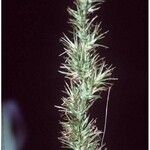
Carex crus-corvi
Raven-Foot Sedge · Ravenfoot sedge · Crow-spur sedge · Crowfoot fox sedge · Raven's-foot sedge
Description
Source: wikipedia (CC BY-SA)Carex crus-corvi, the raven's foot sedge or crowfoot sedge, is a species of flowering plant in the family Cyperaceae. It is native to southern Ontario in Canada, and the central and southeastern United States, and it has been introduced to Belgium. A perennial reaching 90 cm (3 ft) and hardy to USDA zone 4, it is an obligate wetland species found in a wide variety of such habitats.
💡 In 1754, Lin Nai established the genus known as "true sedge." This plant is a significant component of China's flora and is the dominant grass species in the lowest layer of many forests. In some areas, true sedge makes up most of the lower vegetation.
Care Guide
💧 Water
Ravenfoot sedge flourishes in moist settings, needing soil that remains consistently damp. For ideal growth, it requires weekly watering. While it prefers to be grown outdoors, it benefits from natural rainfall, which helps keep it hydrated and supports healthy growth during its active season.
☀️ Light Full sun
Ravenfoot sedge flourishes under full sun exposure, yet it remains capable of withstanding lesser light conditions. Coming from environments with plenty of sunshine, it has evolved to utilize this for sturdy growth. Health and vigor of this plant can be affected by both too much or too little light.
What are the sunlight requirements for Ravenfoot sedge?
Ravenfoot sedge, or Carex crus-corvi, thrives best under full sun conditions, requiring above 6 hours of sunlight per day. It can also manage in partial sun, which amounts to about 3-6 hours of sunlight daily. It's essential to monitor the movement of sunlight through your garden to find spots that offer the right balance of light and shade for your plants, ensuring their growth and happiness.
What are the essentials for growing Ravenfoot sedge?
Ravenfoot sedge prefers full sun exposure for optimal growth, originating from environments with plentiful sunlight. However, it can adapt to conditions with less solar exposure. When sunlight is insufficient, especially during winter or in shaded areas, artificial lighting can supplement natural light. LED lights are recommended for indoor plant lighting, providing necessary wavelengths. The required artificial lighting intensity varies: full sun plants need 30-50W/sq ft, partial sun plants 20-30W/sq ft, and full shade plants 10-20W/sq ft. The correct light distance is 12-36 inches above the plant, and the duration should mimic natural daylight hours, typically 8-12 hours per day.
What are the symptoms of improper lighting for Ravenfoot sedge?
Ravenfoot sedge shows several symptoms when exposed to inadequate lighting, including smaller new leaves, leggy or sparse growth, premature leaf drop, slower or paused new growth, and lighter-colored or chlorotic leaves. Exposure to excessive sunlight can cause chlorosis, sunscald, leaf curling, wilting, and leaf scorching. These symptoms indicate issues with the plant's ability to photosynthesize efficiently, affecting its overall health.
How can I address lighting issues for my Ravenfoot sedge?
To optimize Ravenfoot sedge's growth in an indoor setting, gradually move the plant to a sunnier location, ensuring it receives at least 6 hours of direct sunlight daily. Utilize south-facing windows and keep curtains open during peak sunlight hours. If the plant is large or difficult to move, consider artificial lighting, such as desk lamps or professional grow lights, keeping them on for a minimum of 8 hours daily. Outdoors, gradually adapt plants to brighter conditions to prevent sunburn, moving them weekly to incrementally sunnier spots. If sunlight is obstructed by trees or buildings, consider pruning or relocating smaller plants to sunnier locations, ensuring good drainage and ample light.
🌡️ Temperature 5–32.2°C
The plant known as Ravenfoot sedge flourishes in climates with temperatures between 41 and 89.6°F (5 to 32℃). It is native to areas with moderate climates, and can adjust to different seasonal temperatures. It is important to ensure that this temperature range is preserved, especially during periods of extreme weather.
What is the ideal temperature range for Ravenfoot sedge?
Ravenfoot sedge, botanically known as Carex crus-corvi, flourishes in temperatures between 41 to 89.6°F (5 to 32°C). Native to temperate climates, this plant is well-adapted to handle varying seasonal temperatures. It's crucial for gardeners to maintain these temperature ranges, especially during the extreme conditions of the seasons. Luckily, Ravenfoot sedge possesses strong cold resistance, making special frost protection measures generally unnecessary in winter. However, in anticipation of temperatures dropping below -30°C, it's critical to protect the plant from the cold by covering it with soil or straw and ensuring the soil is moist before the first freeze of autumn to prevent drought and water scarcity during the colder months.
How does low temperature affect Ravenfoot sedge, and what are the solutions?
Ravenfoot sedge exhibits strong cold tolerance, preferring temperatures above 5°C. During winter, it is vital to ensure temperatures stay above -25°C. Exposure to temperatures below -30°C might not show immediate noticeable effects during winter, yet it could significantly reduce or even completely inhibit sprouting in spring. To mitigate these effects as temperatures rise in spring, gardeners should remove any parts of the plant that have failed to sprout, promoting healthier growth for the remainder of the plant.
What should be done when high temperatures impact Ravenfoot sedge?
During the hotter months, it's critical to keep Ravenfoot sedge's environment below 32°C. Exposure to temperatures above 35°C can cause the leaves to lighten in color, become prone to curling, suffer from sunburn, and in extreme cases, lead the entire plant to wilt and dry. To counteract these effects, damaged sunburned and dried parts of the plant should be trimmed away. It may also be necessary to relocate the plant to an area with more shade during the midday and afternoon sun, or use a shade cloth. Additionally, watering the plant in the morning and evening will help keep the soil moist and provide a better environment for the plant's survival.
💨 Humidity
🪴 Soil 5-7
🌱 Fertilizer
Ravenfoot sedge needs extra nourishment to encourage robust fresh growth. During the spring season, scattering some compost around the plant's root zone can appropriately provide the essential nutrients it requires. Fertilization assists in promoting dynamic growth and enhances the plant's ability to withstand diseases and pests.
🪴 Pot & Repot
✂️ Pruning
Ravenfoot sedge thrives in wetlands, characterized by its clumping, grass-like foliage. For optimal growth, prune it in early spring by removing dead stems and old flower spikes. This encourages new growth. Be careful not to over-prune, as excessive trimming can stress the plant. Allow the ravenfoot sedge to recover naturally, ensuring vigorous growth during the warmer months.
🌿 Propagating
🐛 Diseases & pets
☠️ Toxicity
Characteristics
- Plant Type
- Grass
- Life Cycle
- Perennial
- Genus
- Carex
- Family
- Cyperaceae
- Hardiness Zone
- 4-8
- Mature Height
- 30 cm to 91 cm
- Mature Spread
- 30 cm to 61 cm
- Leaf Color
- Green
- Leaf Type
- Evergreen
- Flower Color
- Yellow, Green
- Flower Size
- 20.32 cm
- Bloom Time
- Mid spring, Late spring
- Planting Time
- Spring, Summer
- Harvest Time
- Early summer, Mid summer