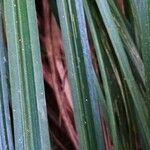
Carex dispalata
Curved-utricle sedge
Description
Source: leafsnapThe genus Carex, the sedges, is one of the largest genera of flowering plants, containing around 1800 species, according to a 2004 estimate. All the species (including hybrid species) accepted by The Plant List as of May 2013 are given below: In May 2015, the Global Carex Group argued for a broader circumscription of Carex, proposing the addition of all species currently classified in Cymophyllus (1 species), Kobresia (c. 60 species), Schoenoxiphium (c. 15 species) and Uncinia (c. 70 species) to those already classified as Carex. (Not all of these have been added below.)
💡 In 1754, Lin Nai established the genus known as "true sedge." This plant is a significant component of China's flora and is the dominant grass species in the lowest layer of many forests. In some areas, true sedge makes up most of the lower vegetation.
Care Guide
💧 Water
☀️ Light Partial sun
Curved-utricle sedge is native to habitats like forest understories or rocky areas, which are naturally shaded. It prefers partial sun but can adapt to full sun or full shade, showing its versatile and hardy nature.
What are the sunlight requirements for Curved-utricle sedge?
Curved-utricle sedge, botanically known as Carex dispalata, thrives in varying sunlight conditions. It requires 'full sun', which means it needs above 6 hours of sunlight daily to flourish properly. Alternatively, it can also grow under 'partial sun' conditions, which involve about 3-6 hours of sunlight daily. It's important to observe the movement of sunlight through your garden to identify spots that offer an ideal balance of light and shade, ensuring the plants' well-being and happiness.
🌡️ Temperature 5–35°C
Curved-utricle sedge can tolerate a wide range of temperatures, but its distribution may still be restricted by particular combinations of moisture and heat. It does best in warm summer climates with sufficient rainfall or irrigation. Extended periods of cloudy, rainy weather, as well as prolonged high temperatures, increase the risk of Curved-utricle sedge dying. In winter, adequate protection from cold can improve the plant's survival.
What is the common name of Carex dispalata?
The common name of Carex dispalata is Curved-utricle sedge. This plant is known for its distinctive characteristics and belongs to the genus Carex within the family of sedges.
What are the botanic characteristics of Curved-utricle sedge?
Curved-utricle sedge, scientifically known as Carex dispalata, does not have detailed botanic characteristics provided in the current information. The name itself, however, indicates a specificity related to its utricles being curved, which might be a defining feature in its identification.
💨 Humidity
🪴 Soil 5-7
🌱 Fertilizer
Curved-utricle sedge needs extra nutrients to encourage healthy new growth. In spring, applying compost around the plant’s base will effectively supply the required nourishment. Fertilizing supports vigorous growth and helps the plant resist diseases and pests.
🪴 Pot & Repot
✂️ Pruning
Curved-utricle sedge features unique seed heads and gracefully arching leaves. For optimal growth and shape, prune it in early spring to remove old foliage. Make sure to use clean, sharp tools to minimize the risk of disease. Applying proper pruning techniques is essential for healthy plant development and can significantly enhance the overall aesthetics of your garden.
🌿 Propagating
🐛 Diseases & pets
☠️ Toxicity
Characteristics
- Plant Type
- Grass
- Life Cycle
- Perennial
- Genus
- Carex
- Family
- Cyperaceae
- Hardiness Zone
- 5-9
- Mature Height
- 40 cm to 76 cm
- Mature Spread
- 20 cm to 30 cm
- Leaf Color
- Green, Dark Green
- Leaf Type
- Semi-evergreen
- Flower Color
- White, Green
- Flower Size
- 4.06 cm to 6.35 cm
- Bloom Time
- Mid spring, Late spring
- Planting Time
- Spring, Summer, Autumn
- Harvest Time
- Early summer, Mid summer