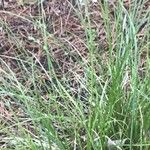
Carex distans
Distant Sedge
Description
Source: leafsnapCarex distans, commonly known as distant sedge, is a plant species in the sedge family, Cyperaceae. It is native to Europe and North Africa. It is part of a complex of similar species that occur across Eurasia. Its relatives include Carex diluta of central Asia, which has also introduced to North America in Montana. C. distans has been introduced to US states including Maryland and Pennsylvania. More recently, it was found in Oregon. There is a report from Victoria, Australia as well.
💡 In 1754, Lin Nai established the genus known as "true sedge." This plant is a significant component of China's flora and is the dominant grass species in the lowest layer of many forests. In some areas, true sedge makes up most of the lower vegetation.
Care Guide
💧 Water
Distant sedge flourishes in the moist and humid conditions typical of wetlands. To keep it healthy, it needs to be watered weekly. As an evergreen plant, it demands consistent moisture even during the colder months when other plants usually enter dormancy.
What should I do if I give my Distant sedge too much or too little water?
Proper watering is crucial for the health of this ornamental grass. When planted in the ground, watering issues can be resolved easily. However, in a container, too much or too little water can quickly kill Distant sedge. If the grass doesn't receive the right amount of water, it may stop growing. Overwatering can cause yellow leaves with brown tips, while underwatering can result in drooping leaves, weak seed head production, and browned leaves. If you suspect improper watering, the first step is to determine if there is too much or too little water. If there is too much water, stop watering immediately. It can take some time for heavy soils to dry out, so patience is important. Once new growth appears, test the soil for moisture before deciding whether it needs more water. On the other hand, if there is too little water, simply give the grass a deep drink and observe if it perks up. Remember, it is always better to water deeply and infrequently, as this encourages grasses to develop deep roots, making them more resistant to drought and watering complications.
How frequently should I water my Distant sedge?
The watering requirements for Distant sedge will vary based on its planting location. In general, watering this grass once a week is recommended. However, in hot climates, watering twice a week during the summer might be necessary. In moderate climates, watering once every seven days or even less could be sufficient. It's important to note that grass in containers typically requires more frequent watering compared to grass planted in the ground. Additionally, the amount of sunlight the grass receives also affects its watering needs. Grasses in shaded areas require less frequent watering compared to those planted in the ground. It's best to water Distant sedge only when the soil is dry. Some signs to look for are dry soil when pressing your finger a few inches into it or a lightweight pot. When the roots lack water, the grass blades may appear folded and thinner. Despite being drought-tolerant, regular and deep watering will result in a beautiful color. In the wild, Distant sedge grows in open scrubland, experiencing extreme heat, bright sun, and intermittent rain. Although it can withstand dry conditions, this grass still requires care and attention. Consistent watering is recommended for optimal growth. When initially planted, Distant sedge will require more frequent watering until it establishes deep roots. Potted Distant sedge will dry out quickly, particularly if exposed to hot, direct sunlight. Checking the soil every 3 to 4 days and watering only when it feels dry is advised. Distant sedge planted in the ground generally needs less watering, but it depends on the type of soil. Clay soil retains moisture below the surface even if it feels dry on top, while sandy soil drains quickly and may require more frequent watering.
What should I keep in mind when watering my Distant sedge at different times of the year, in different weather conditions, or during different growth stages?
To determine if you are watering your grasses enough, you can look at their rate of growth. Distant sedge, in particular, tends to double in size during the hottest months of the year. If the weather is hot but the grass isn't growing well, you may need to adjust your watering schedule. In winter, you might be able to water just once a month, but it's still important to check the soil for moisture. During the warmest months, the grass will need more water than usual, but in winter and cooler months, the water requirements will be much lower. Remember to let the soil dry out completely before adding water to Distant sedge.
☀️ Light Full sun
Distant sedge is a sun-loving perennial herb that comes from open habitats and is commonly found in meadows and grasslands. It prefers full sun but can also tolerate partial sun.
What type of sunlight conditions does Distant sedge require?
Distant sedge is a perennial herbaceous plant that most enjoys full sun conditions, which means it thrives in locations that receive more than 6 hours of sunlight daily. However, it can also tolerate partial sun conditions, requiring about 3-6 hours of sunlight a day. It's important to watch how sunlight moves through your garden to ensure you provide the optimal balance of light and shade for these plants, fostering their growth and happiness.
Can Distant sedge be grown under artificial lighting?
Yes, Distant sedge can grow under artificial lighting, which is an effective solution when natural sunlight is insufficient, especially during winter or in less sunny spaces. Indoor plants including Distant sedge require 30-50W/sq ft of artificial light for full sun conditions and 20-30W/sq ft for partial sun conditions. LED lights are recommended due to their customizability in providing specific light wavelengths. The artificial light source should be placed 12-36 inches above the plant to mimic natural sunlight and should be kept on for 8-12 hours a day to simulate the natural duration of daylight.
What are the symptoms of insufficient light in Distant sedge?
Distant sedge shows several symptoms when there is insufficient light, such as smaller new leaves, leggy or sparse growth, faster leaf drop, slowed or ceased growth, lighter-colored new leaves, chlorosis, and symptoms of overexposure like sunscald, leaf curling, wilting, and leaf scorching. These indicators can help diagnose when the plant is not receiving adequate sunlight, affecting its health and growth.
How can I address insufficient sunlight for my Distant sedge?
To address insufficient sunlight for Distant sedge, you can gradually move your plants to sunnier locations to ensure they receive at least 6 hours of direct sunlight. For indoor plants, you may use south-facing windows or artificial grow lights. For outdoor plants, relocate them gradually to avoid shock. If physical obstructions block sunlight, consider pruning obstructive branches or relocating the plant to a more suitable location. It's crucial to make adjustments gradually and consider the specific requirements of Distant sedge for optimal growth.
🌡️ Temperature 5–35°C
Distant sedge can adjust to a broad spectrum of temperature conditions, yet its range may still be restricted by various combinations of moisture and heat. It performs best in warm summer climates with sufficient rainfall or irrigation. Extended stretches of cloudy, rainy weather or prolonged high temperatures can raise the chances of Distant sedge dying. In winter, adequate protection from cold can increase the plant's survival.
What is the name and botanical name of the plant?
The plant is named Distant sedge, with the botanical name Carex distans.
💨 Humidity
🪴 Soil 5-7
🌱 Fertilizer
Distant sedge needs extra nutrients to encourage healthy new growth. In spring, adding compost around the base of the plant will effectively supply the nutrition it requires. Fertilizing helps support vigorous growth and aids the plant in resisting diseases and pests.
🪴 Pot & Repot
✂️ Pruning
Distant sedge is a tufted perennial featuring dense clusters and grass-like leaves. To encourage growth, prune the plant in early spring, removing any damaged foliage. Regularly divide the clumps to avoid overcrowding. With proper care, you can improve air circulation and reduce pests, resulting in a healthy and attractive plant.
🌿 Propagating
🐛 Diseases & pets
☠️ Toxicity
Characteristics
- Plant Type
- Grass
- Life Cycle
- Perennial
- Genus
- Carex
- Family
- Cyperaceae
- Hardiness Zone
- 5-9
- Mature Height
- 30 cm to 76 cm
- Mature Spread
- 20 cm to 40 cm
- Leaf Color
- Dark Green
- Leaf Type
- Evergreen
- Flower Color
- Yellow, Purple, Green, Brown
- Flower Size
- 0.25 cm to 0.51 cm
- Bloom Time
- Mid spring, Late spring, Early summer
- Planting Time
- Spring, Summer, Autumn
- Harvest Time
- Summer