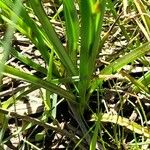
Carex divisa
Divided sedge · Separated Sedge
Description
Source: leafsnapCarex divisa is a species of sedge known by the common names divided sedge and separated sedge. It is native to Europe, Asia, and North Africa, and considered naturalized in Australia, New Zealand, and scattered locations in North America.
💡 In 1754, Lin Nai established the genus known as "true sedge." This plant is a significant component of China's flora and is the dominant grass species in the lowest layer of many forests. In some areas, true sedge makes up most of the lower vegetation.
Care Guide
💧 Water
Divided sedge, a plant native to wet meadows and marshes, thrives in consistently moist environments with higher humidity. For optimal growth, it requires weekly watering and does best in moisture-retaining soil during its active growing season. Typically grown outdoors, divided sedge is not drought-tolerant but also not overly demanding when it comes to moisture.
What should I do if I give too much or too little water to my Divided sedge?
Proper watering is essential for this beautiful ornamental grass to thrive. When planted in the ground, watering issues can be resolved, but in a container, both overwatering and underwatering can quickly lead to the death of Divided sedge. Insufficient water can cause the grass to stop growing, while excessive water can result in yellow leaves with brown tips. Underwatering may cause drooping leaves, weak seed head production, and browned leaves. If you suspect incorrect watering, determine if your Divided sedge is receiving too much or too little water. If overwatering is the issue, stop watering immediately and wait for the soil to dry out. Once new growth appears, test the soil for moisture and decide if more water is needed. In the case of underwatering, simply give the grass a deep drink to see if it improves. Remember that it is better to provide a long, deep watering rather than shallow, frequent waterings. This encourages deep root growth, making the grass more resistant to drought and watering-related problems.
How often should I give water to my Divided sedge?
The watering needs of Divided sedge will vary based on its planting location. Generally, watering once a week is recommended. In hot climates, watering once or twice a week during summer might be necessary. In moderate climates, watering once every seven days or more may suffice. Grass in containers generally requires more frequent watering compared to those planted in the ground. However, the specific location also plays a role. Shaded grasses need less frequent watering compared to grasses in the ground. Divided sedge should only be watered when the soil is dry. To determine if watering is required, check the soil's moisture level by pressing your finger a few inches into it. For potted grass, you can also assess the weight or the pot's lightness to gauge water needs. Insufficient water may cause the blades to appear folded and thinner than usual. Despite its drought tolerance, regular deep waterings will maintain its beautiful color. Although Divided sedge is drought resistant, it still requires care and attention. It naturally grows in open scrubland, which experiences extreme heat, bright sun, and intermittent rain. While you may not expect to water it often due to its hardiness, consistent watering leads to the best results. After initial planting, Divided sedge will require more frequent watering until its roots establish. Potted grass in direct sun, especially in hot climates, dries out quickly, so check the soil every 3 to 4 days and only water when it feels dry. In-ground Divided sedge generally needs less watering, but the specific soil type affects this. Heavy clay soil retains moisture below the ground even if the surface feels dry, while sandy soil that drains quickly will need more frequent watering.
What do I need to be be careful with when I water my Divided sedge in different seasons, climates, or during different stages of growth?
To determine if you are watering your grass enough, observe the rate of growth. Divided sedge is known to double in size within a year, particularly during the hottest months. If the weather is hot but the grass is not growing vigorously, adjust your watering schedule. In winter, you may be able to water just once a month, but it's still important to check the soil for moisture. During the warmest months, when the grass is actively growing, it will require more water. However, in winter and cooler months, the water needs will significantly decrease. Remember to let the soil dry out completely before watering Divided sedge.
☀️ Light Full sun
Divided sedge grows best in full, widespread sun but can also tolerate spots with moderate sunlight. Native to sunny regions, it gets the energy required for growth from sunlight. Too much or too little sunlight can negatively impact its growth and overall health.
What are the sunlight requirements for Divided Sedge?
Divided Sedge grows best with ample sunlight, thriving in conditions with more than 6 hours of sun exposure daily (full sun), but it also adapts to partial sun (about 3-6 hours daily). Originating from sunny regions, it harnesses significant energy from sunlight for growth. It is essential to observe the movement of sunlight through your garden to find spots that ensure the right balance of light and shade, promoting the plant's health and happiness. However, both insufficient and excessive sun exposure can negatively impact its growth and overall well-being.
How does artificial lighting affect indoor Divided Sedge plants?
When natural sunlight is inadequate, especially during winter or in less sunny indoor areas, artificial lights become crucial for the optimal growth of Divided Sedge. Adequate lighting is pivotal for these indoor plants, with LED lights being a preferable choice due to their customizability to cater to specific plant needs. For full sun plants, 30-50W/sq ft of artificial light is recommended; for partial sun plants, 20-30W/sq ft; and for full shade plants, 10-20W/sq ft. The light source should be placed 12-36 inches above the plant to mimic natural sunlight, and most plants benefit from 8-12 hours of light per day.
What are the symptoms of incorrect lighting in Divided Sedge?
Incorrect lighting can cause multiple problems for Divided Sedge, including smaller new leaves, leggy or sparse growth, faster leaf drop, slower or ceased growth, paler new leaves, and various symptoms of overexposure like chlorosis, sunscald, curling leaves, wilting, and leaf scorching. These symptoms indicate either too little or too much light, stressing the importance of providing the right amount of sunlight for healthy plant growth.
How can I address Divided Sedge’s lighting issues both indoors and outdoors?
To optimize growth for Divided Sedge, gradually increase sunlight exposure to at least 6 hours daily. For indoor plants, use a south-facing window or artificial lighting—such as desk or ceiling lamps for 8+ hours a day or professional grow lights. Outdoors, acclimate your plants to more sunlight by shifting them to brighter spots weekly, avoiding sudden exposure which can cause sunburn. If sunlight is blocked by environmental factors like trees, consider pruning to improve light access. For smaller plants requiring relocation for better sunlight or drainage, transplant during the dormant period in late winter or early spring. Note that parts of the plant previously affected by insufficient light may not recover, but new growth will be healthier with improved lighting.
🌡️ Temperature 20–37.8°C
In its native habitat, divided sedge does best at temperatures between 68 and 100 °F (20 to 38 ℃). It favors moderate to warm conditions. Care should be taken to adjust its location or growing conditions as the seasons change.
What is the ideal temperature range for Divided sedge?
Divided sedge, or Carex divisa, thrives best in its native environment with temperatures fluctuating between 68 to 100 °F (20 to 38 °C). It prefers a moderate to warm climate to grow efficiently. To accommodate the changing seasons, it may be necessary to alter its location or the conditions around it to ensure it remains within this ideal temperature range. During the winter, it's advisable to maintain temperatures above 20°C and ensure that the temperatures do not drop to 5°C or lower, as it could harm the plant.
How should I care for Divided sedge in cold temperatures?
Divided sedge is sensitive to low temperatures and thrives when the temperature stays above 20°C. During winter, keeping the temperature above 5°C is crucial to avoid damage. When temperatures fall below 1°C, the plant's leaves might lighten in color, and following frost damage, they may turn brown or black, showing signs of wilting and drooping. The solution is to trim off the frost-damaged parts and move the plant indoors to a warmer environment. Placing it near a south-facing window ensures it receives sufficient sunlight, but it should be kept away from heaters or air conditioning vents to prevent the air from becoming too dry.
What steps should I take if Divided sedge is exposed to high temperatures?
Divided sedge should ideally be kept in conditions where the temperature does not exceed 38°C during the summer months. Exposure to temperatures above 43°C can cause the leaves to lighten and increase the risk of sunburn. If this occurs, trim away the sunburned and dried parts of the plant. It's best to move the plant to a shaded area that protects it from the harsh midday and afternoon sun. Watering the Divided sedge in the morning and the evening can help keep the soil moist, which is critical for its health in high temperatures.
💨 Humidity
🪴 Soil 5-7
🌱 Fertilizer
Divided sedge needs extra nutrients to encourage healthy new growth. In spring, applying compost around the plant’s base can effectively supply the needed nourishment. Fertilizing supports vigorous growth and helps the plant withstand diseases and pests.
🪴 Pot & Repot
✂️ Pruning
Divided sedge benefits from early spring pruning, which removes dead foliage and old stems, promoting healthy growth. Regular thinning helps prevent overcrowding, improves air circulation, and reduces the risk of disease. This consistent care enhances both the appearance and overall health of the plant.
🌿 Propagating
🐛 Diseases & pets
☠️ Toxicity
Characteristics
- Plant Type
- Grass
- Life Cycle
- Perennial
- Genus
- Carex
- Family
- Cyperaceae
- Hardiness Zone
- 10-11
- Mature Height
- 20 cm to 49 cm
- Mature Spread
- 30 cm to 61 cm
- Leaf Color
- Green, Dark Green
- Leaf Type
- Evergreen
- Flower Color
- Yellow, Green, Brown
- Flower Size
- 0.51 cm to 1.27 cm
- Bloom Time
- Mid spring, Late spring
- Planting Time
- Autumn
- Harvest Time
- Early summer, Mid summer
- Native Area
- Egypt, Turkey, India, Austria, Slovakia, Montenegro, Pakistan, Slovenia, Morocco, Croatia, Uzbekistan, Russia, Iraq, Romania, Belgium, Portugal, Netherlands, Saudi Arabia, France, Tajikistan, Tunisia, Cyprus, Bulgaria, Armenia, Greece, Lebanon, Serbia, Afghanistan, Syria, Kyrgyzstan, Kazakhstan, Italy, Spain, Iran, Albania, Ireland, United Kingdom, Hungary, Algeria, Azerbaijan, Turkmenistan