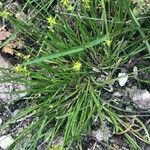
Carex echinata
Star sedge · Bristle-fruited Sedge · Large-fruited Star Sedge · Little Prickly Sedge · Prickly Sedge
Description
Source: leafsnapCarex echinata is a species of sedge known by the common names star sedge and little prickly sedge.
💡 In 1754, Lin Nai established the genus known as "true sedge." This plant is a significant component of China's flora and is the dominant grass species in the lowest layer of many forests. In some areas, true sedge makes up most of the lower vegetation.
Care Guide
💧 Water
Star sedge thrives in moist environments and prefers consistent watering. To mimic its natural habitat, it is best to water it weekly. Although it can withstand short periods of dryness, star sedge flourishes in temperate climates with varying rainfall, making it ideal for outdoor growth.
What should I do if I give my Star sedge plant too much or too little water?
Proper watering is essential for the performance of this ornamental grass. When it is planted in the ground, watering issues can be resolved. However, when it is in a container, too much or too little water can quickly cause the Star sedge to die. Insufficient water can cause stunted growth, while excessive water can result in yellow leaves with brown tips. Underwatering may cause drooping leaves, weak seed head production, and browned leaves. If you suspect that your Star sedge has been watered improperly, first determine if it is receiving too much or too little water. If it is getting too much water, stop watering it immediately. It may take some time for heavy soils to dry, so have patience. Once you see new growth, test the soil's moisture and decide if more water is needed. If the grass is receiving too little water, simply give it a deep drink and see if it improves. Remember that watering deeply is better than frequent, shallow waterings. Deep watering encourages the growth of deep roots, making the grass more resistant to drought and watering-related problems.
How frequently should I water my Star sedge plant?
The watering needs of Star sedge depend on its planting location. In general, watering this grass once a week is recommended. However, hot climates may require watering once or twice a week during the summer. In moderate climates, watering once every seven days or more should be sufficient. Grass in containers usually needs more frequent watering compared to grass planted in the ground. Additionally, the location of the grass matters, as shaded grasses require less frequent watering than those planted in the ground. It is important to water Star sedge only when the soil is dry. To determine if the soil is dry, you can press your finger a few inches into the soil or weigh the potted grass to see if it feels light. Insufficient water can cause the grass blades to appear folded and thinner than usual. Despite its drought tolerance, regular and deep waterings will result in vibrant color. Although Star sedge is naturally found in open scrubland and can withstand extreme heat and intermittent rain, it still requires care and attention. While it may seem that this hardy grass doesn't need watering, consistent water is beneficial. When newly planted, Star sedge needs more frequent watering until deep roots are established. In pots, the soil dries out quickly, especially if the pot is exposed to direct sun. To prevent under or overwatering, test the soil every 3 to 4 days and water only when it feels dry. When planted in the ground, Star sedge generally needs less watering, although this depends on the soil type. Clay soil retains moisture below the surface even if it feels dry on the top, while sandy soils that drain quickly may require more frequent watering.
What do I need to watch out for when I water my Star sedge in different seasons, climates, or when it's growing?
To determine if you are watering your grass enough, pay attention to its growth rate. Star sedge, for example, can double in size within a year during the hottest months. If the grass is not growing vigorously despite hot weather, you may need to adjust your watering schedule. In winter, you can likely water just once a month, but still check the soil's moisture by touching it. Generally, the grass will require more water during its growth cycle in the warmest months while the need for water will decrease significantly during winter and cooler months. Remember, when it comes to Star sedge, always let the soil dry out completely before watering again.
☀️ Light Full sun
Star sedge is a sun-loving perennial herbaceous plant that originates in open habitats and is commonly found in meadows and grasslands. It prefers full sun but can also tolerate partial sun.
What are the sunlight requirements for Star Sedge (Carex echinata)?
Star Sedge is a perennial herbaceous plant that prefers full sun, thriving in conditions with above 6 hours of sunlight daily. However, it can also tolerate partial sun, requiring about 3-6 hours of sunlight. Observing how sunlight moves through your garden will aid in selecting optimal spots that provide a balance of light and shade, contributing to the plant's health and happiness.
How can artificial lighting support Star Sedge's growth indoors?
When natural sunlight is insufficient, especially during winter or in less sunny spaces, artificial lighting becomes crucial for Star Sedge's growth indoors. LED lights are a popular choice because they can be customized to provide specific wavelengths needed by plants. For optimal growth, full sun plants need 30-50W/sq ft of artificial light, while partial sun plants require 20-30W/sq ft. The light source should be placed 12-36 inches above the plant to mimic natural sunlight, and the duration of light exposure should mimic natural daylight hours for the species, typically 8-12 hours per day.
What are the symptoms of light deficiency in Star Sedge?
Symptoms of light deficiency in Star Sedge include smaller new leaves, leggy or sparse growth, faster leaf drop, slower or no new growth, and lighter-colored new leaves. Additionally, chlorosis (leaf yellowing), sunscald, leaf curling, wilting, and leaf scorching may occur due to excessive sunlight, indicating that the plant is either receiving too little or too much light.
How can I improve light conditions for Star Sedge indoors and outdoors?
To improve light conditions for Star Sedge, gradually move the plant to a sunnier location each week to reach at least 6 hours of direct sunlight daily. For indoor plants, use a south-facing window or artificial light sources like desk lamps or professional grow lights for at least 8 hours daily. Outdoors, ensure the plant is adapted to sunlight changes by gradually moving it to sunnier spots. If sunlight is obstructed, consider pruning or transplanting to reduce shade. Remember, affected parts may not recover, but new growth will be healthier with better light exposure.
🌡️ Temperature 0–35°C
Star sedge can tolerate a wide range of temperatures, but its distribution may still be restricted by different combinations of moisture and heat. It performs best in warm summer conditions with sufficient rainfall or watering. Extended periods of cloudy, rainy weather or prolonged high temperatures can increase the chance of Star sedge dying. In winter, adequate protection from cold can boost the plant's survival rate.
💨 Humidity
🪴 Soil 5-6
🌱 Fertilizer
Star sedge benefits from added nutrients to encourage healthy new growth. In spring, spreading compost around the base of the plant can supply the nutrition it needs. Fertilizing supports robust growth and helps the plant withstand diseases and pests.
🪴 Pot & Repot
✂️ Pruning
Star sedge, known for its star-shaped seed heads, requires minimal pruning to thrive. To encourage new growth, prune the plant lightly in early spring, avoiding heavy cuts. Additionally, clear away debris regularly to prevent diseases. By following these practices, you can improve air circulation, enhance blooming, and maintain the overall appearance of the plant, contributing to a healthy and vibrant star sedge.
🌿 Propagating
🐛 Diseases & pets
☠️ Toxicity
Characteristics
- Plant Type
- Grass
- Life Cycle
- Perennial
- Genus
- Carex
- Family
- Cyperaceae
- Hardiness Zone
- 3-9
- Mature Height
- 10 cm to 91 cm
- Mature Spread
- 15 cm to 30 cm
- Leaf Color
- Green
- Leaf Type
- Semi-evergreen
- Flower Size
- 0.25 cm to 0.51 cm
- Bloom Time
- Mid spring, Late spring
- Planting Time
- Spring, Summer, Autumn
- Harvest Time
- Early summer, Mid summer