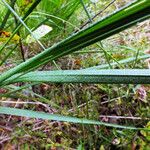
Carex elongata
Elongated Sedge · Gingerbread sedge
Description
Source: leafsnapCarex elongata, the elongated sedge, is a species of flowering plant in the family Cyperaceae, native to Europe, the Caucasus, western Siberia, Kazakhstan, and the Altai. It occurs in boggy woodland and wet meadows, where it forms dense tussocks up to about 1 m tall.
💡 In 1754, Lin Nai established the genus known as "true sedge." This plant is a significant component of China's flora and is the dominant grass species in the lowest layer of many forests. In some areas, true sedge makes up most of the lower vegetation.
Care Guide
💧 Water
Elongated sedge thrives in damp, shady environments and prefers soil that stays consistently moist. While it has moderate tolerance for drought, it's important to water it weekly to prevent over-saturation. Although typically grown outdoors, elongated sedge is sensitive to waterlogged conditions, which can damage its roots during the active growing season.
☀️ Light Full sun
Elongated sedge does best with abundant sunlight but can also survive in shadier, less illuminated areas. It comes from habitats with ample sun, and its health depends on receiving enough light. Insufficient or excessive light can harm its growth and overall vigor.
What are the sunlight requirements for Elongated Sedge?
Elongated Sedge requires full sun, which means it should receive above 6 hours of sunlight daily. However, it can also thrive in conditions of partial sun or full shade, which entails about 3-6 hours of sunlight. It's essential to observe how sunlight moves through your garden to choose the best spots that offer the right balance of light and shade, ensuring your plants grow happily and healthily.
How does the Elongated Sedge's growth respond to sunlight?
Elongated Sedge thrives under an abundance of sunlight, deriving from its natural habitat that is well-lit by the sun. Despite this, it can survive in less sunny, overshadowed areas. However, both deficient and extreme exposures can negatively affect its growth and overall vitality. This plant's health significantly depends on receiving adequate light, whether it's natural sunlight or supplemented by artificial lighting in less sunny conditions.
What artificial lighting should be used for Elongated Sedge indoors?
When natural sunlight is insufficient for Elongated Sedge, especially during winter or in less sunny indoor spaces, artificial lighting becomes crucial. LED lights are recommended as they can be customized to provide specific wavelengths needed for optimal growth. Full sun plants require 30-50W/sq ft, while partial sun plants need 20-30W/sq ft, and full shade plants only need 10-20W/sq ft of artificial light. The light source should be placed 12-36 inches above the plant, mimicking natural daylight for 8-12 hours per day.
What are common symptoms of improper lighting in Elongated Sedge?
Symptoms of lighting issues in Elongated Sedge include small or lighter-colored new leaves indicating light deficiency, leggy or sparse growth due to inadequate sunlight, faster leaf drop to conserve resources under low light, and chlorosis or sunscald as a result of too much light. Additionally, leaf curling, wilting, or leaf scorching might occur under extreme light conditions, signaling the need for immediate adjustments in the plant's lighting environment.
How can I remedy lighting issues for Elongated Sedge?
To resolve lighting issues for Elongated Sedge, indoors, gradually move the plant to a sunnier location each week or supplement with artificial light if moving isn't feasible. Outdoors, find the best sunlight spot by gradually adapting the plant to sunnier areas week by week. Additionally, if sunlight is obstructed, prune any branches blocking light or consider transplanting smaller plants during their dormant period to sunnier locations. Remember, while affected parts may not recover, new growth will be healthy with improved light conditions.
🌡️ Temperature 5–35°C
Elongated sedge can tolerate a wide range of temperatures, but its distribution may still be constrained by various combinations of water and heat conditions. It performs best in warm summer climates with sufficient rainfall or watering. Extended periods of cloudy, rainy weather and prolonged high temperatures can raise the risk of Elongated sedge dying. In winter, proper protection from cold can improve the plant's survival rate.
What is Elongated sedge?
Elongated sedge, scientifically known as Carex elongata, is a species of sedge. Unfortunately, there is no additional information provided regarding its characteristics, habitat, or uses.
💨 Humidity
🪴 Soil 6-7
🌱 Fertilizer
Elongated sedge needs extra nutrients to encourage healthy new growth. In spring, adding compost around the base of the plant can effectively supply the nourishment it requires. Fertilizing supports vigorous growth and helps the plant resist diseases and pests.
🪴 Pot & Repot
✂️ Pruning
Elongated sedge is a clump-forming perennial with slender, grass-like leaves. To encourage new growth and improve air circulation, prune the old leaves in early spring. Use sharp tools and avoid heavy pruning, making sure to clear away any debris to prevent disease. This will promote both healthy and attractive growth.
🌿 Propagating
🐛 Diseases & pets
☠️ Toxicity
Characteristics
- Plant Type
- Grass
- Life Cycle
- Perennial
- Genus
- Carex
- Family
- Cyperaceae
- Hardiness Zone
- 4-9
- Mature Height
- 49 cm
- Mature Spread
- 30 cm to 61 cm
- Leaf Color
- Light Green, Olive Drab
- Leaf Type
- Evergreen
- Flower Color
- Yellow, Green, Brown, Black
- Flower Size
- 0.20 cm to 0.51 cm
- Bloom Time
- Mid spring, Late spring
- Planting Time
- Spring, Autumn
- Harvest Time
- Early summer, Mid summer
- Native Area
- Sweden, Austria, Czech Republic, Slovakia, Poland, Croatia, Slovenia, Belarus, Ukraine, Serbia, Russia, Lithuania, Norway, Hungary, Germany, Italy, Kazakhstan, Switzerland, Denmark, Estonia, Finland, France, Ireland, United Kingdom, Romania, Latvia, Belgium, Netherlands