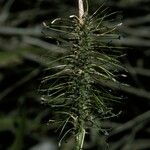
Carex erinacea
Care Guide
💧 Water
☀️ Light Full sun
Bottlebrush sedge flourishes best with abundant sunlight, although it can adjust to locations with less light. Coming from habitats with plentiful sunlight, extreme or insufficient exposure could impede its growth process. The varying growth phases of bottlebrush sedge might not necessitate changes in the amount of sun exposure.
🌡️ Temperature 10–35°C
The plant 'Bottlebrush sedge' is indigenous to climates with a significant temperature variation, favoring a moderate climate. Ideally, it flourishes in temperatures ranging from 50 to 95 °F (10 to 35 ℃). Minor adaptations might be necessary during extreme seasonal changes to mimic its original habitat.
💨 Humidity
🪴 Soil 5-7
🌱 Fertilizer
To encourage robust new growth, Bottlebrush sedge needs extra nutrients. Distributing compost around the plant's base during springtime can successfully supply the essential nourishment it needs. The act of fertilizing bolsters healthy growth and aids the plant in fending off diseases and pests.
🪴 Pot & Repot
✂️ Pruning
🌿 Propagating
🐛 Diseases & pets
☠️ Toxicity
Characteristics
- Plant Type
- Grass
- Life Cycle
- Perennial
- Genus
- Carex
- Family
- Cyperaceae
- Hardiness Zone
- 6-10
- Mature Height
- 0.25 m to 1.07 m
- Mature Spread
- 30 cm to 61 cm
- Leaf Color
- Green, Dark Green
- Leaf Type
- Evergreen
- Flower Size
- 2.54 cm to 5.08 cm
- Bloom Time
- Late spring, Early summer
- Planting Time
- Spring, Summer, Autumn
- Harvest Time
- Mid summer, Late summer
- Native Area
- Mexico