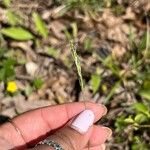
Carex hirtifolia
Pubescent sedge · Hairy Sedge · Hairy Wood Sedge · Hairy-leaved Sedge
Description
Source: leafsnapCarex hirtifolia, the pubescent sedge, is a species of sedge native to northeastern North America. It is the only species in Carex section Hirtifoliae. The entire plant is distinctively covered soft hairs.
💡 In 1754, Lin Nai established the genus known as "true sedge." This plant is a significant component of China's flora and is the dominant grass species in the lowest layer of many forests. In some areas, true sedge makes up most of the lower vegetation.
Care Guide
💧 Water
Pubescent sedge thrives in consistently moist soil and can tolerate moderate drought conditions. For optimal health, it requires weekly watering, especially during its active growing season. This plant generally flourishes outdoors, as it benefits from natural rainfall patterns, which are essential for maintaining lush foliage and robust growth.
☀️ Light Full sun
Pubescent sedge typically performs best with substantial sunlight but can tolerate reduced light levels. Sunlight promotes its healthy growth, and the needed light intensity varies at different stages of development. Its natural habitat had ample light. Both too much and too little light can harm its growth and health.
What are the sunlight requirements for Pubescent sedge?
Pubescent sedge requires a significant amount of sun exposure to thrive, with preferences for full sun, which is above 6 hours of sunlight per day, and can also grow in partial sun, about 3-6 hours of sunlight. Its health and growth benefit from sunlight, especially since it originated in environments with plentiful light. However, both overexposure and insufficient sunlight can negatively impact its growth. To ensure your garden fosters these plants well, observe how sunlight moves through the area to find the perfect balance of light and shade.
How can artificial lighting be used for indoor Pubescent sedge?
Indoor Pubescent sedge can benefit from artificial lighting, especially when natural sunlight is insufficient. LED lights are recommended because they can be customized to provide the specific wavelengths of light plants need. Full sun plants require 30-50W/sq ft, partial sun plants 20-30W/sq ft, and full shade plants 10-20W/sq ft of artificial light. The light source should be placed 12-36 inches above the plant to mimic natural sunlight, and plants most often need 8-12 hours of light per day to grow well.
What are the symptoms of inadequate light for Pubescent sedge?
Inadequate lighting can cause several symptoms in Pubescent sedge, including smaller new leaves, leggy or sparse growth, faster leaf drop, slower or no new growth, lighter-colored new leaves, and conditions like chlorosis where leaves lose their green color and sunscald from intense light exposure. Other symptoms include leaf curling, wilting from water loss, and leaf scorching characterized by brown, dry edges on leaves. These signs indicate the plant's struggle with the current light conditions.
What solutions can help improve light conditions for Pubescent sedge?
To ensure optimal growth, gradually move plants to receive at least 6 hours of direct sunlight daily, using a south-facing window or artificial light if necessary. Adjustments should be gradual to prevent sunburn. For outdoor plants, finding the best sunlight spot is crucial, and for ground plants, reducing obstructions like pruning branches can help. If plants are small, consider transplanting during their dormant period to a sunnier location with good drainage. Remember, parts of the plant affected by insufficient sunlight might not recover, but new growth will be healthy with improved light exposure.
🌡️ Temperature 0–32.2°C
Pubescent sedge is native to temperate regions where temperatures range from 32 to 90 °F (0 to 32 ℃). It prefers moderate temperatures and may need adjustments with seasonal changes to achieve optimal growth.
What is the native climate for Pubescent Sedge?
Pubescent Sedge, botanically known as Carex hirtifolia, is native to temperate climate regions. It thrives in temperatures ranging from 32 to 90 °F (0 to 32 °C), preferring a moderate temperature range. Adjustments may be necessary to cater for seasonal changes to maintain optimal growth conditions. The plant is noted for its robust cold resistance, typically not requiring specialized frost protection during winter. However, in environments where temperatures may plummet below -35°C, it is crucial to employ cold protection methods, such as covering the plant with soil or straw, to safeguard its well-being.
How does Pubescent Sedge respond to low temperatures, and what are the solutions?
Pubescent Sedge displays a notable tolerance to low temperatures, thriving best when the thermometer stays above 0°C. Throughout the winter months, ensuring the temperature remains above -30°C is preferable. Should temperatures dip below -35°C, you might not observe immediate changes during the winter season. However, come spring, there might be a noticeable decrease in sprouting or, in some cases, a complete lack of new growth. A solution to this issue is to remove any parts of the plant that have failed to sprout as the warmer weather returns.
How does Pubescent Sedge react to high temperatures, and what solutions can be applied?
During the summer season, it's crucial to ensure Pubescent Sedge is kept in conditions cooler than 32°C. Exceeding 35°C may result in the plant's leaves becoming lighter, curling at the edges, and becoming more susceptible to sunburn. In extreme cases, the plant may exhibit signs of severe stress, wilting, and dryness throughout. To address these challenges, remove any parts of the plant that have been burned by the sun or dried up. Relocating the plant to a shaded area or employing a shade cloth can provide essential protection during the harshest midday and afternoon sunlight. Additionally, maintaining soil moisture through watering in the early morning and late evening is advisable.
💨 Humidity
🪴 Soil 5-7
🌱 Fertilizer
Pubescent sedge needs extra nutrients to encourage healthy new growth. In spring, adding compost around the plant’s base can effectively supply the nutrients it requires. Fertilizing promotes vigorous growth and helps the plant resist diseases and pests.
🪴 Pot & Repot
✂️ Pruning
Pubescent sedge is a perennial plant characterized by its hairy stems and vibrant green leaves. To promote healthy growth, minimize the risk of disease, and enhance its appearance, it is best to prune this sedge in early spring. When trimming, use sharp, sterilized tools and cut back to the base, making sure to leave some foliage intact.
🌿 Propagating
🐛 Diseases & pets
☠️ Toxicity
Characteristics
- Plant Type
- Grass
- Life Cycle
- Perennial
- Genus
- Carex
- Family
- Cyperaceae
- Hardiness Zone
- 3-8
- Mature Height
- 25 cm to 61 cm
- Mature Spread
- 30 cm to 46 cm
- Leaf Color
- Green
- Leaf Type
- Semi-evergreen
- Flower Color
- Yellow, Green
- Flower Size
- 0.20 cm to 0.25 cm
- Bloom Time
- Mid spring, Late spring
- Planting Time
- Spring, Summer
- Harvest Time
- Early summer, Mid summer