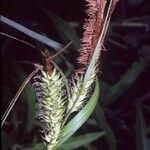
Carex hyalinolepis
Shoreline Sedge · Hyaline-scaled Sedge
Description
Source: leafsnapCarex hyalinolepis is a tussock-forming species of perennial sedge in the family Cyperaceae. It is native to southern parts of North America from Ontario in the north to Texas in the south.
💡 In 1754, Lin Nai established the genus known as "true sedge." This plant is a significant component of China's flora and is the dominant grass species in the lowest layer of many forests. In some areas, true sedge makes up most of the lower vegetation.
Care Guide
💧 Water
☀️ Light Full sun
Shoreline sedge is a perennial, herbaceous plant that prefers sunny, open habitats and is often found in meadows and grasslands. It favors full sun but can also tolerate partial sun exposure.
What are the sun requirements for Shoreline sedge?
Shoreline sedge (Carex hyalinolepis) has specific sunlight requirements to thrive. For full sun exposure, the plant needs more than 6 hours of sunlight daily. If the plant is in a location with partial sun, it should receive about 3-6 hours of sunlight each day. It's important to observe the way sunlight moves through your garden throughout the day. Choosing the right spots that offer a balance of light and shade can significantly impact the health and happiness of your plants.
🌡️ Temperature 5–35°C
Shoreline sedge can adjust to a wide range of temperature conditions, but its distribution may still be limited by various combinations of water and heat. It grows best in warm summer climates with sufficient rainfall or watering. Prolonged stretches of cloudy, rainy weather, as well as extended high temperatures, can raise the likelihood of Shoreline sedge dying. In winter, adequate protection from cold can increase the plant's survival rate.
What is the botanical name of Shoreline sedge?
The botanical name of Shoreline sedge is Carex hyalinolepis.
💨 Humidity
🪴 Soil 6-7
🌱 Fertilizer
Shoreline sedge needs extra nutrients to encourage healthy new growth. In spring, placing compost around the base of the plant will effectively provide the nutrition it requires. Fertilizing helps support vigorous growth and improves the plant’s resistance to diseases and pests.
🪴 Pot & Repot
✂️ Pruning
Shoreline sedge, known for its dense growth and sword-shaped leaves, benefits greatly from pruning in early spring. By trimming old foliage, you can encourage new growth and enhance air circulation. Additionally, remove any dead stems to help prevent disease. Remember to sterilize your tools to avoid cross-contamination, ensuring a healthier and more visually appealing plant.
🌿 Propagating
🐛 Diseases & pets
☠️ Toxicity
Characteristics
- Plant Type
- Grass
- Life Cycle
- Perennial
- Genus
- Carex
- Family
- Cyperaceae
- Hardiness Zone
- 4-9
- Mature Height
- 0.3 m to 1.83 m
- Mature Spread
- 30 cm to 49 cm
- Leaf Color
- Light Green, Dark Green
- Leaf Type
- Semi-evergreen
- Flower Size
- 0.20 cm to 0.25 cm
- Bloom Time
- Mid spring, Late spring
- Planting Time
- Spring, Summer, Autumn
- Harvest Time
- Early summer, Mid summer