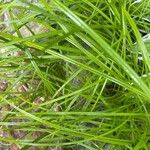
Carex jamesii
Grass sedge · James' sedge
Description
Source: leafsnapCarex jamesii, known as James's sedge or grass sedge, is a species of sedge native to North America from Minnesota east to New York and south to Oklahoma and South Carolina. It occurs in mesic hardwood forests and produces fruits from early May to mid July. It has two to four perigynia that are subtended by leaf-like pistillate scales. Its seeds are dispersed by ants.Within the genus Carex, Carex jamesii is in the section Phyllostachyae (sometimes Phyllostachys) and is most closely related to C. juniperorum.
💡 In 1754, Lin Nai established the genus known as "true sedge." This plant is a significant component of China's flora and is the dominant grass species in the lowest layer of many forests. In some areas, true sedge makes up most of the lower vegetation.
Care Guide
💧 Water
☀️ Light Full sun
James' sedge is a sun-loving, perennial herbaceous plant native to open habitats, often thriving in meadows and grasslands. It prefers full sun but can also tolerate partial sun.
What are the sunlight requirements for James' sedge?
James' sedge thrives in full sun, requiring more than 6 hours of direct sunlight daily, but it can also grow in partial sun or full shade conditions, which means about 3-6 hours of sunlight. Observing how sunlight moves through your garden will help you find the ideal spot for your plants, balancing light and shade to ensure their growth and happiness.
What essentials should I know about James' sedge?
James' sedge is a sun-loving perennial herbaceous plant native to open habitats like meadows and grasslands. It prefers full sun but can tolerate partial sun. For indoor plants where natural sunlight is insufficient, artificial lighting becomes crucial for optimal growth. LED lights are recommended, providing specific wavelengths needed by plants. Full sun plants require 30-50W/sq ft, partial sun plants need 20-30W/sq ft, and full shade plants 10-20W/sq ft of light. The light source should be placed 12-36 inches above the plant, mimicking natural sunlight with 8-12 hours of light per day.
What happens to James' sedge in inadequate lighting?
When James' sedge is placed in areas with insufficient lighting, it may exhibit symptoms like smaller new leaves, leggy or sparse growth, faster leaf drop, slower or halted growth, and lighter-colored or yellowing leaves (chlorosis). In cases of overexposure to sunlight, symptoms like sunscald, leaf curling, wilting, and leaf scorching can occur, indicating damage by intense light exposure.
How can I address light-related issues for James' sedge?
To tackle light deficiency in James' sedge, gradually move plants to sunnier locations to get at least 6 hours of direct sunlight daily, using south-facing windows for indoor plants or adjusting positions outdoors to avoid sudden intensity changes which may cause sunburn. Considering artificial light can benefit large or immovable plants by providing at least 8 hours of light daily. For obstructed outdoor plants, pruning or transplanting during dormant periods can enhance sunlight accessibility. Remember, parts of the plant damaged by insufficient light may not recover, but proper exposure encourages healthy new growth.
🌡️ Temperature 5–32.2°C
James' sedge can tolerate a wide range of temperatures, though its distribution can still be restricted by various combinations of moisture and heat. It grows best in warm summers with sufficient rainfall or watering. Extended stretches of cloudy, rainy weather, as well as prolonged high temperatures, can raise the chance of James' sedge dying. In winter, adequate protection from cold can enhance the plant's survival.
What is James' sedge?
James' sedge is a plant species known by the botanical name Carex jamesii. Information regarding its essentials, symptoms, or additional details has not been provided.
💨 Humidity
🪴 Soil 6-7
🌱 Fertilizer
James' sedge needs extra nutrients to encourage healthy new growth. In spring, putting some compost around the plant’s base will effectively supply the required nourishment. Fertilizing helps support vigorous growth and assists the plant in resisting diseases and pests.
🪴 Pot & Repot
✂️ Pruning
James' sedge benefits from early spring pruning, which involves removing dead foliage to improve air circulation and promote growth. Cut back old stems to allow for new shoots, but be careful not to over-prune, as this can cause unnecessary stress to the plant. Pruning at the right time enhances light penetration, reduces the risk of disease, and improves the plant's aesthetic appeal and longevity.
🌿 Propagating
🐛 Diseases & pets
☠️ Toxicity
Characteristics
- Plant Type
- Grass
- Life Cycle
- Perennial
- Genus
- Carex
- Family
- Cyperaceae
- Hardiness Zone
- 4-8
- Mature Height
- 10 cm to 37 cm
- Mature Spread
- 15 cm to 30 cm
- Leaf Color
- Green
- Leaf Type
- Semi-evergreen
- Flower Size
- 0.25 cm to 0.51 cm
- Bloom Time
- Early spring, Mid spring
- Planting Time
- Spring, Summer, Autumn
- Harvest Time
- Late spring, Early summer