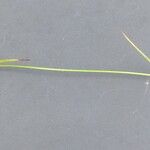
Carex lepidocarpa
Long-stalked yellow-sedge · Long-stalked yellow sedge
Description
Source: leafsnapCarex lepidocarpa, called the long-stalked yellow-sedge, is a species of flowering plant in the genus Carex, native to eastern Canada, Morocco, and most of Europe. It is a member of the Carex flava species complex.
💡 In 1754, Lin Nai established the genus known as "true sedge." This plant is a significant component of China's flora and is the dominant grass species in the lowest layer of many forests. In some areas, true sedge makes up most of the lower vegetation.
Care Guide
💧 Water
Long-stalked yellow sedge flourishes in consistently moist environments and cannot tolerate drought. To mimic its natural habitat, it requires weekly watering to maintain a stable level of hydration. As a plant commonly found in wetlands, it shows strong growth when provided with damp soil.
☀️ Light Partial sun
Long-stalked yellow sedge grows naturally in settings like forest understories or rocky areas, where it receives natural shade. It prefers partial sun but can tolerate both full sun and full shade, showing its hardy and adaptable nature.
What are the sunlight requirements for Long-stalked yellow sedge (Carex lepidocarpa)?
Long-stalked yellow sedge (Carex lepidocarpa) thrives in varying sunlight conditions. It requires 'Partial sun,' which is about 3-6 hours of sunlight daily, or can survive in 'Full shade,' receiving less than 3 hours of sunlight daily. It's crucial to observe how sunlight moves through your garden, selecting locations that offer a suitable mix of light and shade. This ensures the plants remain happy and healthy by getting just the right amount of sunlight they need.
🌡️ Temperature 5–35°C
Long-stalked yellow sedge can tolerate a broad range of temperatures, though its range may still be constrained by various combinations of moisture and heat. It grows best in warm summer conditions with sufficient rain or irrigation. Extended spells of overcast, rainy weather, as well as prolonged high temperatures, can raise the chance of Long-stalked yellow sedge dying. In winter, adequate protection from cold can increase the plant's survival rate.
💨 Humidity
🪴 Soil 5-7
🌱 Fertilizer
Usually one fertilizer application in spring is enough for Long-stalked yellow sedge, although multiple feedings can boost growth. Feed it once every month to a month and a half. Fertilization improves leaf appearance and performance, maintaining even color and a healthy texture. It also encourages root development and nutrient uptake for long-term plant vigor.
🪴 Pot & Repot
✂️ Pruning
The long-stalked yellow sedge features arching stems and yellow-green leaves. Prune this plant from early to late spring by cutting back to healthy growth. This stimulates new shoots and helps shape the plant. Regular pruning also improves air circulation and reduces the risk of disease. Be careful not to over-prune, as this can cause stress to the plant. For detailed guidelines, refer to the Royal Horticultural Society (RHS).
🌿 Propagating
🐛 Diseases & pets
☠️ Toxicity
Characteristics
- Plant Type
- Herb
- Life Cycle
- Perennial
- Genus
- Carex
- Family
- Cyperaceae
- Hardiness Zone
- 4-9
- Mature Height
- 20 cm to 61 cm
- Mature Spread
- 30 cm to 49 cm
- Leaf Color
- Green, Dark Green
- Leaf Type
- Semi-evergreen
- Flower Color
- Yellow, Green, Brown
- Flower Size
- 0.25 cm to 0.51 cm
- Bloom Time
- Late spring, Early summer, Mid summer
- Planting Time
- Spring, Autumn
- Harvest Time
- Mid summer, Late summer, Early fall