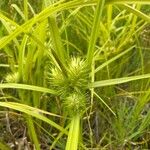
Carex lupulina
Hop Sedge · Common Hop Sedge
Description
Source: leafsnapCarex lupulina, known as hop sedge or common hop sedge, is a species of sedge native to most of eastern North America.It was first formally named in 1805.
💡 In 1754, Lin Nai established the genus known as "true sedge." This plant is a significant component of China's flora and is the dominant grass species in the lowest layer of many forests. In some areas, true sedge makes up most of the lower vegetation.
Care Guide
💧 Water
Hop sedge is a plant native to wetlands and thrives in consistently moist soil, making it tolerant of brief flooding. This indicates that it has a moderate to high water requirement. To maintain optimal moisture levels, it is essential to water it weekly, particularly in dry climates where additional watering might be necessary.
What should I do if I give my Hop sedge plant too much or too little water?
Proper watering is crucial for maintaining the health and performance of this beautiful ornamental grass. When planted in the ground, watering issues can be resolved. However, in a container, incorrect water levels can quickly lead to the demise of Hop sedge. Insufficient water can cause stunted growth, while excessive watering can result in yellow leaves with brown tips. Underwatering may cause drooping leaves, weak seed head production, and browned leaves. If you suspect your Hop sedge has been watered improperly, determining whether it is receiving too much or too little water is the first step. If it is overwatered, immediately stop watering and allow time for heavy soils to dry out. Once new growth appears, test the soil moisture and decide whether additional watering is needed. Conversely, if the grass is lacking water, a deep drink may revive it. Remember, a long, deep watering is better than frequent shallow watering as it encourages deep root growth, making the grass more resistant to drought and watering-related issues.
How frequently do I need to water my Hop sedge plant?
The watering needs of Hop sedge depend on its planting location. In general, watering once a week is sufficient. However, in hot climates, watering once or twice a week during the summer may be necessary. In moderate climates, watering once every seven days or more is usually enough. Grass in containers always needs to be watered more frequently than grass planted in the ground. Additionally, the location of the grass matters, as shaded grasses require less frequent watering compared to those planted in the ground. It is important to only water Hop sedge when the soil is dry. You can test this by pressing your finger a few inches into the soil or by feeling the weight of a potted grass. When the roots lack sufficient water, the grass blades may appear folded and thinner than usual. Despite its drought tolerance, regular and deep waterings will result in a beautiful color. While Hop sedge can survive in harsh, dry conditions, it still requires care and attention. When newly planted, Hop sedge needs more frequent watering until deep roots are established. Potted Hop sedge, especially when exposed to hot and direct sun, dries out quickly and should be checked every 3 to 4 days. Hop sedge planted in the ground generally needs less watering, although this depends on the type of soil it is grown in. Clay soil, which holds water for longer periods, may feel dry at the surface but still retain moisture below. Sandy soil, on the other hand, drains quickly and will require more frequent watering.
What do I need to watch out for when watering my Hop sedge at different times of the year, in different weather, or during different stages of growth?
To determine if you are watering enough, observe the rate of growth of your grass. Hop sedge, for example, tends to double in size within a year during the hottest months. If the weather is hot but the grass is not growing vigorously, it might be necessary to adjust your watering schedule. In winter, you can potentially water once a month, but make sure to check the soil moisture by touching it. Generally, grass requires more water during its growth cycle in the warmest months, whereas its water needs decrease significantly during winter and cooler months. Remember to allow the soil for Hop sedge to completely dry out before watering it again.
☀️ Light Partial sun
Hop sedge grows best with a moderate amount of sunlight, though it can tolerate periods of stronger light. Native to regions with diffused light, the plant prefers similar conditions for optimal growth. Too little or too much sunlight can harm its health, resulting in stunted growth or leaf burn, respectively.
What are the sunlight requirements for Hop Sedge?
Hop Sedge, or Carex lupulina, thrives under a moderate amount of sunlight, ideally in conditions similar to its native habitat which includes diffused sunlight. It is adaptable and can withstand periods of increased light exposure but requires a balanced approach to sun exposure. The plant performs best with about 3-6 hours of sunlight daily (partial sun) but can also grow in areas with more than 6 hours of sunlight (full sun). When planning where to place your Hop Sedge, observe the movement of sunlight through your garden to ensure you strike a balance that mimics the plant's natural environment, preventing issues such as stunted growth or leaf burn due to inadequate or excessive light.
How do I use artificial lighting for Hop Sedge?
When natural sunlight is insufficient, particularly during winter or in spaces that don’t receive enough sun, artificial lighting can be a viable alternative to promote healthy growth in Hop Sedge. Firstly, you should select the appropriate type of artificial light, with LED lights being a popular choice due to their ability to provide specific wavelengths needed by plants. For full sun plants, aim for 30-50W/sq ft of artificial light, 20-30W/sq ft for partial sun plants, and 10-20W/sq ft for full shade plants. The light source should be placed 12-36 inches above the plant to mimic natural sunlight conditions as closely as possible. Additionally, matching the natural daylight hours your plant species needs, usually 8-12 hours of light per day, is important for its growth and health.
What are the signs of improper lighting for Hop Sedge?
Hop Sedge shows various symptoms when exposed to inadequate light, helping you identify and correct issues before they impact the plant's health significantly. Signs of light deficiency include the development of smaller new leaves, leggy growth or spaces between stems and leaves increasing, premature leaf drop, slowed or ceased growth, and lighter-colored or pale new leaves indicating a lack of chlorophyll. Conversely, symptoms of too much direct sunlight include chlorosis or the yellowing of leaves, sunscald marked by pale or necrotic patches on foliage, leaf curling or twisting as a defensive measure against excessive sunlight, wilting due to rapid water loss, and leaf scorching characterized by brown, crispy leaf edges. Observing these signs can guide you in adjusting the plant's exposure to light, whether it be reducing intense sunlight or increasing light levels to better suit the needs of Hop Sedge.
How can I address and fix lighting issues for Hop Sedge?
Addressing lighting issues for Hop Sedge involves a thoughtful approach to adjusting light exposure, whether the issue stems from too little or too much light. For indoor plants needing more light, gradually introduce them to sunnier spots each week until achieving 3-6 hours of direct sunlight daily or utilize artificial lighting methods, such as keeping a lamp on for at least 8 hours a day or investing in professional grow lights. For outdoor plants, similarly gradually move them to sunnier locations to prevent sunburn. It's crucial to avoid sudden changes in light exposure. If physical obstructions like trees block natural sunlight, consider pruning to improve light access. For plants that consistently struggle with light availability, transplanting them during their dormant period to a better-lit location may be the best solution. Remember, while you can encourage new healthy growth with better light conditions, parts of the plant that were previously affected may not recover.
🌡️ Temperature 0–35°C
Hop sedge is suited to a native growth habitat with temperatures ranging from 32 to 95 °F (0 to 35 ℃). It does well under these conditions, yet can adapt to seasonal fluctuations. Careful temperature regulation may be needed in extreme seasons.
What are the ideal temperature conditions for growing Hop sedge?
Hop sedge is well-suited to a temperature range of 32 to 95 °F (0 to 35 °C), thriving in these conditions while being capable of adjusting to seasonal temperature variations. The plant has a strong cold resistance, making special frost protection measures generally unnecessary, although attention to temperature regulation may be beneficial during extreme seasons. If winter temperatures are expected to fall below -35°C, it's important to protect the plant by covering it with soil or straw and watering it abundanly before the first freeze to ensure the soil stays moist through the winter.
How does Hop sedge respond to low temperatures, and what should be done if it doesn't sprout in spring?
Hop sedge is cold-tolerant and grows best above 0°C. During winter, it's advised to maintain temperatures above -30°C. If temperatures dip below -35°C, you might not notice immediate changes in winter, but there might be a decreased sprouting or absence of sprouting in spring. If parts of the plant fail to sprout in spring, these should be removed to promote healthy growth.
What are the symptoms of high temperature stress in Hop sedge, and how can it be managed?
When temperatures exceed 35°C, Hop sedge may show stress symptoms such as leaves becoming lighter in color, prone to curling, susceptible to sunburn, and, in severe cases, the plant may wilt and dry out. To manage high temperature stress, trim away the sunburned and dried parts of the plant. Relocate the plant to an area with shade during the midday and afternoon sun or use shade cloth. It's also beneficial to water the plant in the morning and evening to keep the soil moist.
What is the botanical name of Hop sedge?
The botanical name of Hop sedge is Carex lupulina.
💨 Humidity
🪴 Soil 5-7
🌱 Fertilizer
Hop sedge benefits from additional nutrients to encourage healthy new growth. In spring, putting some compost around the base of the plant will effectively supply the necessary nutrition. Fertilizing helps support vigorous growth and improves the plant’s resistance to diseases and pests.
Why should I put fertilizer on my Hop sedge?
Fertilizing Hop sedge is important for a few reasons. First, it provides your plant with the necessary nutrients for healthy new growth. Additionally, the extra nutrients contribute to the overall health of older growth and aid in protecting your plant from diseases and pests.
When should I fertilize my Hop sedge?
To ensure the survival of Hop sedge in your garden, it's important to know the right time to fertilize it. This plant doesn't need a lot of nutrients and doesn't require additional fertilization when it is dying back. While you can apply diluted fertilizer at the beginning of the growing season, it is not advised. Instead, it is recommended to spread some mulch or compost around the base of the plant.
When is the best time to not fertilize my Hop sedge?
If you're not using packaged fertilizers, you don't need to worry about when to stop feeding Hop sedge. Just apply a layer of compost or mulch in the spring, and it will keep the plant happy all year. No need to mulch or compost during the plant's dormant winter period.
Which fertilizer should I use for my Hop sedge?
Instead of rushing to buy fertilizer from the garden center for hop sedge, you can use compost in the spring which will provide the necessary nutrients. Additionally, if you mulch your garden annually, the bark will also nourish the plant effectively.
How can I make my Hop sedge plant grow better with fertilizer?
When planting Hop sedge, the steps are the same whether you use mulch or compost. Start by putting down a layer of the chosen material, ensuring that it covers the base of the plant. If you decide to use both mulch and compost, remember to decrease the amount of compost. Applying a layer of mulch has two benefits: it helps retain moisture in the soil and provides nutrients for the plant.
🪴 Pot & Repot 2-3 years
When repotting Hop sedge, pick a pot 1–2 inches (2.5–5.1 cm) larger with ample drainage. Use a well-draining potting mix. Repot in spring or fall, making sure the root ball sits slightly lower than the rim of the flower pot. Water thoroughly after repotting and place in a warm spot with indirect sunlight.
✂️ Pruning
Hop sedge is a perennial plant distinguished by its tufted stems and drooping seed heads. To maintain its health and appearance, it's best to prune it in early spring. This helps remove dead foliage and improves air circulation. Regular pruning encourages the plant's health and vigor. For best results, use sharp tools to prevent infection, thereby supporting the growth cycle and aesthetic appeal of the hop sedge.
🌿 Propagating
🐛 Diseases & pets
☠️ Toxicity
Characteristics
- Plant Type
- Grass
- Life Cycle
- Perennial
- Genus
- Carex
- Family
- Cyperaceae
- Hardiness Zone
- 3-9
- Mature Height
- 0.2 m to 1.07 m
- Mature Spread
- 30 cm to 61 cm
- Leaf Color
- Green
- Leaf Type
- Semi-evergreen, Deciduous
- Flower Color
- Green
- Flower Size
- 2.54 cm to 7.62 cm
- Bloom Time
- Late spring, Early summer
- Planting Time
- Spring, Autumn
- Harvest Time
- Mid summer, Late summer, Early fall