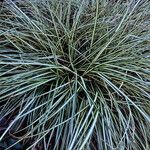
Carex ornithopoda
Bird-foot sedge · Bird's-foot Sedge · Birdsfoot sedge
Description
Source: leafsnapCarex ornithopoda, commonly known as bird's foot sedge, is a perennial, grass-like plant that belongs to the Cyperaceae family. Native to Europe and Asia, it thrives in diverse habitats, including meadows, woodlands, and wetlands. Typically, the plant grows up to 30 cm in height and features narrow, green leaves. Its flowers are small and inconspicuous, forming brownish-green spikes that appear from May to June. Bird's foot sedge prefers moist soil but can withstand some drought once established, making it an excellent choice for rain gardens or other areas where water tends to accumulate. Carex ornithopoda is useful for erosion control, thanks to its fibrous root system that helps stabilize soil on slopes and banks. Additionally, it provides food for wildlife, particularly birds that consume its seeds. Overall, Carex ornithopoda is an attractive, low-maintenance plant that enhances any garden or landscape with its texture and interest while offering significant ecological benefits.
💡 In 1754, Lin Nai established the genus known as "true sedge." This plant is a significant component of China's flora and is the dominant grass species in the lowest layer of many forests. In some areas, true sedge makes up most of the lower vegetation.
Care Guide
💧 Water Every 7 days
Bird's-foot sedge flourishes in moist, high-humidity environments and requires consistent moisture to stay healthy. To maintain its optimal condition, watering it twice a week is recommended. As an evergreen plant that typically grows outdoors, it benefits greatly from natural rainfall, which helps fulfill its water needs.
☀️ Light Partial sun
Bird's-foot sedge is native to habitats such as forest understories or rocky areas, where it grows in natural shade. It prefers partial sun but can tolerate full sun or full shade, showing its adaptable, hardy nature.
What are the sunlight requirements for Bird's-foot sedge (Carex ornithopoda)?
Bird's-foot sedge (Carex ornithopoda) thrives in various sunlight conditions. For full sun exposure, it requires above 6 hours of sunlight daily. If you're aiming for partial sun, about 3-6 hours of sunlight per day is ideal. Remember, it's important to observe how sunlight moves throughout your garden, enabling you to select locations that offer the perfect mix of light and shade. This careful selection ensures your Bird's-foot sedge remains happy and healthy.
🌡️ Temperature 5–35°C
Bird's-foot sedge can tolerate a wide range of temperatures, but its distribution may still be constrained by different combinations of moisture and heat. It performs best in warm summer climates with sufficient rainfall or watering. Extended stretches of cloudy, rainy weather, as well as prolonged high temperatures, can raise the chance of Bird's-foot sedge dying. During winter, appropriate protection from cold can increase the plant's survival.
💨 Humidity
🪴 Soil 5-7
🌱 Fertilizer
Generally, a single fertilizer application in spring is enough for Bird's-foot sedge, though repeated feedings can optimize growth. Apply fertilizer every month to every month and a half. Fertilization improves the leaves' appearance and function, encouraging uniform color and a healthy texture. It also promotes root development and nutrient uptake, supporting long-term plant health.
🪴 Pot & Repot
✂️ Pruning
Prune bird's-foot sedge from early to late spring to maintain its shape and encourage healthy growth. Remove any dead or damaged leaves to boost the plant's vigor and appearance. Regular pruning enhances air circulation, reduces the risk of disease, and rejuvenates the plant. Be sure to use clean, sharp tools to prevent damage.
🌿 Propagating
🐛 Diseases & pets
☠️ Toxicity
Characteristics
- Plant Type
- Herb
- Life Cycle
- Perennial
- Genus
- Carex
- Family
- Cyperaceae
- Hardiness Zone
- 4-9
- Mature Height
- 10 cm to 30 cm
- Mature Spread
- 15 cm to 25 cm
- Leaf Color
- Light Green, Dark Green
- Leaf Type
- Semi-evergreen
- Flower Color
- Yellow, Green, Brown
- Flower Size
- 0.20 cm to 0.25 cm
- Bloom Time
- Early spring, Mid spring
- Planting Time
- Spring, Summer, Autumn
- Harvest Time
- Late spring, Early summer