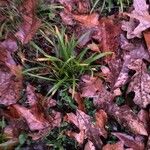
Carex pedunculata
Long-Stalk Sedge · Longstalk sedge · Pedunculate sedge · Long-stalked Sedge · Peduncled Sedge
Description
Source: leafsnapCarex pedunculata, commonly known as the long-stalked sedge, is a perennial plant species in the Cyperaceae family. Native to Europe and Asia, it thrives in wetlands, marshes, bogs, and other moist habitats. This plant features long green leaves that can reach up to 60 cm in length and 3-5 mm in width. Its stems can grow up to 1 meter tall and are characterized by a brownish-green hue. In late spring or early summer, Carex pedunculata produces small brown spike flowers that appear at the top of its stems. Carex pedunculata plays a crucial role in wetland conservation by stabilizing soil and preventing erosion along riverbanks and other water bodies. Additionally, it provides essential habitat for various wildlife, including birds and insects. When it comes to cultivation, Carex pedunculata prefers moist soil with good drainage but can handle some drought once established. It grows best in full sun or partial shade but can also tolerate full shade conditions. Overall, Carex pedunculata is an attractive, grass-like ornamental plant that adds texture and visual interest to gardens while delivering significant ecological benefits to wetland habitats.
💡 In 1754, Lin Nai established the genus known as "true sedge." This plant is a significant component of China's flora and is the dominant grass species in the lowest layer of many forests. In some areas, true sedge makes up most of the lower vegetation.
Care Guide
💧 Water Every 7 days
Longstalk sedge thrives in consistently moist soil and high humidity, much like its native woodland habitats. To keep it healthy, water it weekly, but be careful to avoid over-saturation. Adding mulch can help retain moisture and protect the plant from temperature extremes. This plant is usually grown outdoors, where it benefits from natural light and seasonal climate changes.
☀️ Light Partial sun
Longstalk sedge prefers lower light levels, mirroring its natural habitat where it is frequently sheltered from intense sun. Excessive sunlight may damage the plant, whereas insufficient light typically presents little problem. Its sunlight requirements remain the same throughout its various growth stages.
What are the sunlight requirements for longstalk sedge?
Longstalk sedge requires specific light conditions to thrive. For full shade, it needs less than 3 hours of sunlight per day, while partial sun requires about 3-6 hours of sunlight. It's vital to observe how sunlight moves through your garden to choose spots that provide the perfect balance of light and shade for your plants, thus ensuring their happiness and well-being.
How do sunlight needs vary for longstalk sedge throughout its growth stages?
Longstalk sedge thrives under less luminous conditions, emulating its natural habitat where it is often shielded from overwhelming sun exposure. Excessive sunlight could potentially harm the plant, although a lack of adequate light does not pose a significant issue. Throughout its varied growth stages, no variations in sunlight needs are observed, indicating the plant's consistent light requirements.
What are the recommendations for using artificial lighting with longstalk sedge?
When natural sunlight is insufficient, especially in winter or less sunny spaces, artificial lighting becomes crucial for the optimal growth of longstalk sedge. LED lights are recommended due to their ability to provide specific wavelengths of light needed by the plant. For full sun plants, 30-50W/sq ft of artificial light is suggested, whereas partial sun plants need 20-30W/sq ft, and full shade plants require 10-20W/sq ft. The light source should be placed 12-36 inches above the plant, mimicking natural sunlight as closely as possible. Most plants will benefit from 8-12 hours of light per day.
What symptoms indicate that longstalk sedge is receiving insufficient light?
When longstalk sedge is grown indoors with insufficient light, it may exhibit symptoms like small and leggy leaves, sparse growth, faster leaf drop, slower or no new growth, and lighter-colored new leaves. These signs indicate light deficiency, which is not always easily noticeable but affects the plant's health and growth.
What are some common issues caused by inappropriate lighting, and how can they be addressed?
Inappropriate lighting can cause a variety of issues in longstalk sedge, such as chlorosis, sunscald, leaf curling, wilting, and leaf scorching. To address these issues, it's recommended to move plants to spots with ample filtered light, including brief periods of direct morning sunlight, ideally 1-2 meters away from a window. For outdoor plants, gradual relocation to sunnier locations each week can help them adapt without experiencing sunburn. Additionally, reducing obstructions like tree branches or relocating smaller plants to sunnier locations with good drainage can improve sunlight exposure.
🌡️ Temperature 10–32.2°C
Longstalk sedge grows best in cool to warm conditions. It is native to regions where average temperatures range from 50 to 90 ℉ (10 to 32 ℃). In summer, Longstalk sedge should be kept in a cooler setting to avoid heat stress. In winter, it is essential to ensure temperatures do not fall below 50 ℉ (10 ℃), as that can cause harm.
What are the optimal temperature conditions for Longstalk sedge?
Longstalk sedge, scientifically known as Carex pedunculata, thrives in cool to warm temperatures, optimally between 50 to 90°F (10 to 32°C). To avoid heat stress, it prefers cooler conditions during the summer months. It's important to maintain temperatures above 50°F (10°C) in winter to prevent damage, as the plant has a strong resistance to cold. Although it generally does not require special frost protection, if temperatures are expected to drop below -25°C, protective measures such as covering the plant with soil or straw should be taken. Watering the plant abundantly before the first freeze in autumn, ensuring the soil stays moist, is recommended to help avoid water scarcity during the colder months.
How does Longstalk sedge respond to low temperatures, and what are the advised solutions?
Longstalk sedge is cold-tolerant, performing best when temperatures are maintained above 10°C and protected against dropping below -15°C in winter. Despite its resilience, exposure to temperatures below -25°C might not visibly affect the plant during winter but could lead to decreased sprouting or even a lack of sprouting in spring. The suggested solution for any parts of the plant that have failed to sprout due to the cold is to remove them come spring.
What should be done if Longstalk sedge experiences high temperatures?
During summer, it is crucial to keep Longstalk sedge below 32°C to prevent stress. Exceeding 35°C can cause the leaves to lighten in color, become prone to curling, susceptible to sunburn, and, in severe cases, lead to the wilting and drying out of the entire plant. To mitigate high temperature stress, trim away the sunburned and dried parts of the plant. Relocating the plant to a shaded area or using a shade cloth can protect it from the midday and afternoon sun. Additionally, watering the plant during the cooler morning and evening hours helps keep the soil moist, further protecting against excessive heat.
💨 Humidity
🪴 Soil 5-7
🌱 Fertilizer
Longstalk sedge needs extra nutrients to encourage healthy new growth. In spring, spreading compost around the plant's base will effectively supply the nutrition it requires. Fertilizing helps support vigorous growth and improves the plant's ability to resist diseases and pests.
🪴 Pot & Repot
✂️ Pruning
Longstalk sedge is a perennial plant characterized by its slender stalks and unique seed heads. Pruning in early spring helps remove dead foliage and encourages new growth. Additionally, cutting back old flower stalks prevents the plant from self-seeding. Regular pruning also improves air circulation, reducing the risk of disease and contributing to a healthier plant.
🌿 Propagating
🐛 Diseases & pets
☠️ Toxicity
Characteristics
- Plant Type
- Grass
- Life Cycle
- Perennial
- Genus
- Carex
- Family
- Cyperaceae
- Hardiness Zone
- 6-8
- Mature Height
- 9 cm to 28 cm
- Mature Spread
- 20 cm to 40 cm
- Leaf Color
- Green, Dark Green
- Leaf Type
- Deciduous
- Flower Color
- Yellow, Green, Purple, Red, Brown
- Flower Size
- 12.70 cm
- Bloom Time
- Early spring, Mid spring
- Planting Time
- Spring
- Harvest Time
- Late spring, Early summer