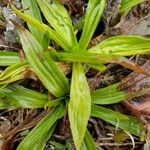
Carex plantaginea
Plantain-Leaved Sedge · Seersucker sedge · Plantainleaf sedge · Plantain-leaved Wood Sedge · Broad-leafed sedge
Description
Source: leafsnapCarex plantaginea, commonly known as carex plantain, plaintainleaf sedge, or seersucker sedge, is a perennial herb of the sedge family.
💡 In 1754, Lin Nai established the genus known as "true sedge." This plant is a significant component of China's flora and is the dominant grass species in the lowest layer of many forests. In some areas, true sedge makes up most of the lower vegetation.
Care Guide
💧 Water
Seersucker sedge thrives in the understory of deciduous forests, favoring soil that remains evenly moist. Once established, it shows a moderate tolerance for drought. To keep it healthy and vigorous during the growing season, it is important to water it regularly each week and apply mulch to help retain moisture.
How should I water my Seersucker sedge plant in the best way?
Seersucker sedge is commonly grown as a lawn, and there are specific ways to water it effectively. One option is using a hose with a spray nozzle attachment, while the best method is setting up a sprinkler system. To ensure proper watering, a timer-controlled sprinkler system is highly recommended. It is also advised to use cool or room temperature water and water in the morning. This allows the soil to absorb water while allowing excess moisture to evaporate with the help of sunlight.
What should I do if I give too much or too little water to my Seersucker sedge plant?
If you accidentally water your Seersucker sedge too much, there are a few steps you can take to restore your lawn's health. One effective approach is to aerate the lawn to fix any compacted soil that may be hindering proper drainage. Additionally, consider dethatching the Seersucker sedge in such situations. On the other hand, if you underwater the Seersucker sedge, the remedy is different. In those cases, allow the lawn to grow a bit longer before mowing and provide a bit more water than before.
How often should I give water to my Seersucker sedge plant?
The frequency of watering for your Seersucker sedge depends on where you live, the climate conditions, and the season. In cooler northern regions, watering about once every 1-2 weeks is sufficient. In southern regions, watering once a week is typically necessary. However, if there is regular rainfall, you can adjust your watering accordingly. Keep in mind that relying solely on rainfall is usually insufficient to keep your lawn healthy. During the summer, this type of grass tends to go dormant, but it still needs some water to prevent drying out, although new growth isn't a concern during this time.
How much water does my Seersucker sedge require?
Knowing how much to water your Seersucker sedge is quite simple. Whether you live in a cooler northern region or a warmer southern region, the general rule is to give it about one inch of water each time you water it. However, during the peak of summer when the grass goes into a brief dormant period, it's best to give it lighter but appropriate waterings to protect it from the intense sun. Of course, the specific volume of water you provide depends on the size of the area covered by your Seersucker sedge. For instance, a larger area will require more water than a smaller lawn made of Seersucker sedge.
How do I know if I'm giving my Seersucker sedge enough water?
If you give your Seersucker sedge too much or too little water, there will be visual cues that indicate the problem. Overwatering may result in softer blades and a buildup of thatch. Underwatering may cause brown patches, heat stress, fungus accumulation, and yellowing of the grass blades. Underwatered lawns also tend to preserve footprints longer.
☀️ Light Partial sun
Seersucker sedge favors moderate sun exposure but can tolerate reduced light. While it performs best with some sunlight, it can survive in largely shaded areas. Nonetheless, prolonged periods in weak light can inhibit its growth and create health problems.
What are the sunlight requirements for planting Seersucker sedge?
Seersucker sedge, also known by its botanical name Carex plantaginea, thrives under varying light conditions. It prefers moderate sunlight exposures but can also endure less direct light, making it adaptable to both partial sun, requiring about 3-6 hours of sunlight, and full shade conditions, where it receives less than 3 hours of sunlight daily. Regardless of the chosen location, monitoring the movement of sunlight through your garden is crucial for selecting spots that ensure the optimal balance of light and shade, thereby guaranteeing plant health and happiness.
How can artificial lighting benefit indoor Seersucker sedge plants?
For indoor Seersucker sedge plants, when natural sunlight is insufficient, especially during winter or in less sunny spaces, artificial lighting serves as an essential growth aid. LED lights are recommended for their ability to provide specific light wavelengths needed by plants. Depending on the plant type, the requirements vary: full sun plants need 30-50W/sq ft, partial sun plants 20-30W/sq ft, and full shade plants 10-20W/sq ft of artificial light. The correct placement of the light source—12-36 inches above the plant—and mimicking natural daylight hours, typically 8-12 hours daily, are crucial for optimizing growth.
What symptoms indicate Seersucker sedge is experiencing insufficient light?
When Seersucker sedge is not receiving adequate light, several symptoms may manifest. These include new leaves growing smaller than mature ones, leggy or sparse growth, accelerated leaf drop, slower or halted new growth, and paler new leaves or chlorosis, indicating a lack of chlorophyll and essential nutrients. In extreme sunlight conditions, symptoms can also include sunscald, leaf curling, wilting, and leaf scorching. These symptoms signal that the plant is struggling with its light exposure and needs adjustments.
What solutions exist for Seersucker sedge plants experiencing light deficiency symptoms?
Addressing light deficiency in Seersucker sedge involves a variety of strategies based on the setting. Indoors, gradually increase sunlight exposure by moving the plant to sunnier spots each week or supplement with artificial lighting, ensuring at least 8 hours of light daily. Outdoors, the approach is similar—gradually relocate plants to sunnier areas to prevent sunburn. Removing obstructions or transplanting the plant to a location with ample sunlight and good drainage can also aid in recovery for ground-planted sedge. It is important to note that while parts of the plant affected by insufficient light may not recover, new growth should be healthy following these adjustments.
🌡️ Temperature 5–32.2°C
Seersucker sedge is native to a temperate climate and flourishes in temperatures from 41 to 89.6°F (5 to 32℃). It typically aligns with its environment by altering its metabolism across different seasons.
What is Seersucker sedge and where is it native to?
Seersucker sedge, botanically known as Carex plantaginea, is native to temperate climates. It thrives in temperatures ranging from 41 to 89.6°F (5 to 32°C), adjusting its metabolism across different seasons to correspond with its climate. This plant exhibits strong cold resistance, making it well-suited for varying weather conditions without the need for special frost protection measures in most cases.
How does Seersucker sedge adapt to winter conditions?
Seersucker sedge adapts to winter conditions with its inherent cold resistance. Usually, it does not require special frost protection measures. However, in scenarios where winter temperatures are expected to drop below -30°C, cold protection can be provided by covering the plant with soil or straw. Additionally, watering the plant abundantly before the first freeze of autumn is recommended. This ensures the soil around the plant remains moist and enters a frozen state, helping to prevent drought and water scarcity during winter and early spring.
What should be done if Seersucker sedge experiences low temperatures below its tolerance?
Seersucker sedge is cold-tolerant, thriving best in temperatures above 5°C and ideally kept above -25°C during winter. If temperatures fall below -30°C, there might not be noticeable changes during the winter, but a decrease in sprouting or even no sprouting might occur in spring. In such cases, removing parts of the plant that have failed to sprout in the spring is a recommended solution.
How to care for Seersucker sedge during high temperature periods?
During summer, it's important to ensure that Seersucker sedge's environment does not exceed 32°C. Temperatures above 35°C can lead to lighter leaf coloration, curling, susceptibility to sunburn, and, in severe instances, wilting and drying of the entire plant. To mitigate these effects, trim away sunburned and dried parts, relocate the plant to a shaded area during midday and afternoon, or use a shade cloth. Additionally, water the plant in the morning and evening to maintain soil moisture.
💨 Humidity
🪴 Soil 5-7
🌱 Fertilizer
One fertilizer application in spring is generally adequate for Seersucker sedge, though repeated feedings can optimize growth. Feed every month to one and a half months. Fertilization improves leaf appearance and performance, maintaining uniform color and a healthy texture. It also promotes root development and nutrient uptake for long-term plant health.
Why should I add fertilizer to my Seersucker sedge?
The main structure of the Seersucker sedge is made up of its leaves. Fertilization plays a crucial role in ensuring that these leaves look great and serve their purpose effectively. By providing proper fertilization, you can help your Seersucker sedge maintain consistent color and a healthy texture in its leaves. Fertilization also has benefits below the surface of the soil. It helps the plant develop new roots and maintain existing ones in its root system. This not only keeps the plant healthy in the present, but also improves its ability to absorb nutrients from the soil in the future.
When should I fertilize my Seersucker sedge plant?
If you grow your Seersucker sedge outdoors, it will send out new growth in early spring. This growth is a sign that it's time to start fertilizing for the year. A single application of fertilizer in the spring usually works fine for the sedge. However, if you want to promote maximum growth, you can fertilize several times throughout the spring and early summer. In this case, you can fertilize the sedge about once a month to a month and a half.
When should I not add fertilizer to my Seersucker sedge?
During late fall and winter, your Seersucker sedge goes into a dormant phase and stops producing new growth. It's important not to fertilize the sedge during this time. In spring and summer, if you choose to fertilize, start reducing the amount as summer approaches because the sedge's growth rate also slows down. Generally, it's not a good idea to fertilize the sedge during extremely hot weather or when the soil is exceptionally dry. Doing so can cause undue stress and premature death of the sedge.
What kind of fertilizer does my Seersucker sedge plant require?
Choosing the best fertilizer for a Seersucker sedge is actually quite simple. These plants will do well with a general-purpose garden fertilizer that contains equal amounts of nitrogen, phosphorus, and potassium. Fertilizers that have a 10-10-10 ratio or something similar work effectively. It's important to avoid using fertilizers with high nitrogen content if unsure. Most recommended fertilizers for Seersucker sedges come in granular form, which makes them easy to apply to the soil. It's also beneficial to use organic soil amendments like compost to feed your Seersucker sedge.
How should I fertilize my Seersucker sedge?
To care for your Seersucker sedge, wait for it to sprout its first leaves in early spring. Once you see this, use a granular slow-release fertilizer with a balanced formula. Apply the fertilizer to the soil around the base of the plant, not directly on the plant itself. You may need to move some leaves to access the soil. You can repeat this process later in the season if desired. It's also a good idea to water the plant before and after fertilizing.
🪴 Pot & Repot 2-3 years
When repotting Seersucker sedge, choose a pot 1-2 inches (2.5–5.1 cm) larger with good drainage. Use a well-draining potting mix. Repot in spring or fall, making sure the root ball sits slightly below the rim of the pot. Water thoroughly after repotting and place it in a warm spot with indirect sunlight.
✂️ Pruning
Seersucker sedge is a type of ground cover plant known for its broad, ribbed leaves. To keep the plant healthy and looking its best, it's important to manage its growth through pruning. Start by pruning in early spring to remove any dead foliage, which encourages new growth. A light trimming in late spring can help maintain the plant's shape. Proper pruning not only enhances the appearance of the plant but also improves air circulation, which can benefit its overall health. Always use clean tools to ensure precise cuts and prevent the spread of disease. Additionally, consult regional guides for specific pruning advice tailored to your climate and conditions.
🌿 Propagating
🐛 Diseases & pets
☠️ Toxicity
Characteristics
- Plant Type
- Herb
- Life Cycle
- Perennial
- Genus
- Carex
- Family
- Cyperaceae
- Hardiness Zone
- 4-8
- Mature Height
- 15 cm to 91 cm
- Mature Spread
- 25 cm to 30 cm
- Leaf Color
- Green
- Leaf Type
- Evergreen
- Flower Color
- Tan
- Flower Size
- 2.54 cm
- Bloom Time
- Early spring, Mid spring
- Planting Time
- Spring, Summer, Autumn
- Harvest Time
- Late spring, Early summer