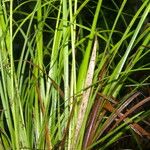
Carex polystachya
Caribbean sedge
Care Guide
💧 Water
☀️ Light Partial sun
Cuttygrass naturally occurs in habitats like the undergrowth of forests or rock-filled areas where it is naturally shaded. It thrives best in partial sunlight, yet it's capable of adjusting to both complete sun exposure and complete shade, which is a testament to its adaptability and resilience.
What are the sunlight requirements for Caribbean sedge?
Caribbean sedge, or Carex polystachya, requires specific amounts of sunlight to thrive. For full sun exposure, it needs above 6 hours of sunlight daily. In conditions of partial sun, it should receive about 3-6 hours of sunlight. It's important to observe the way sunlight moves through your garden, finding locations that offer an ideal balance of light and shade. This ensures the plant's health and happiness by providing it with the right amount of sunlight.
🌡️ Temperature 15–35°C
Cuttygrass is capable of tolerating diverse temperature ranges, although its dispersion could be hindered by varying mixtures of heat and water conditions. It flourishes optimally in a warm climate during summer months, provided there is sufficient precipitation or irrigation. Extended periods of overcast and rainy weather, together with sustained extreme temperatures, can heighten the chances of Cuttygrass perishing. During winter, appropriate safeguarding from the cold can enhance the survival probability of the plant.
💨 Humidity
🪴 Soil 6-7
🌱 Fertilizer
Additional nutrients are crucial for the healthy new growth of cuttygrass. Dispensing compost around the plant's base during the spring season can adequately supply the required nutrients. Fertilizing plays a pivotal role in fostering robust growth and fortifying the plant against diseases and pests.
🪴 Pot & Repot
✂️ Pruning
Caribbean sedge flourishes in moist environments and benefits from early spring pruning to remove dead leaves and shape any overgrown clumps. This practice helps reduce pests and improves airflow, promoting healthy, robust growth. With regular maintenance, caribbean sedge will maintain a vibrant and lush appearance throughout the growing season.
🌿 Propagating
🐛 Diseases & pets
☠️ Toxicity
Characteristics
- Plant Type
- Grass
- Life Cycle
- Perennial
- Genus
- Carex
- Family
- Cyperaceae
- Hardiness Zone
- 7-10
- Mature Height
- 30 cm to 61 cm
- Mature Spread
- 30 cm to 49 cm
- Leaf Color
- Green, Dark Green
- Leaf Type
- Evergreen
- Bloom Time
- Late spring, Early summer
- Planting Time
- Spring, Autumn
- Harvest Time
- Mid summer, Late summer
- Native Area
- New Zealand