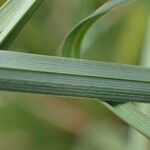
Carex rostrata
Bottle sedge · Swollen beaked sedge · Northwest Territory sedge · Beaked sedge · Beak Sedge
Description
Source: leafsnapCarex rostrata, the bottle sedge or beaked sedge, is a perennial species of sedge in the family Cyperaceae.
💡 In 1754, Lin Nai established the genus known as "true sedge." This plant is a significant component of China's flora and is the dominant grass species in the lowest layer of many forests. In some areas, true sedge makes up most of the lower vegetation.
Care Guide
💧 Water
Beaked sedge thrives in wetland environments, where it prefers consistently moist soil and shows moderate tolerance to drought. To maintain its ideal moisture balance, it should be watered weekly. This plant is typically grown outdoors, where natural rainfall meets its water needs perfectly, aligning with its natural water cycle requirements.
What should I do if I give too much or too little water to my Beaked sedge?
Proper watering is essential for the healthy growth of this beautiful ornamental grass. When planted in the ground, watering issues can be resolved easily. However, in a container, both overwatering and underwatering can quickly lead to the death of Beaked sedge. When Beaked sedge doesn't receive the right amount of water, it may stop growing. Overwatering can cause yellow leaves with brown tips, while underwatering can result in drooping leaves, weak seed head production, and browned leaves. If you suspect improper watering, the first step is to determine if the problem is too much or too little water. If the grass is receiving too much water, immediately stop watering it and allow the heavy soils to dry out naturally, which may take weeks. Once new growth appears, test the soil for moisture and decide whether more water is needed. On the other hand, if the grass is receiving too little water, simply give it a good, deep drink to see if it perks up. Remember that a long, deep watering is better than frequent shallow waterings, as it encourages the development of deep roots, making the grass more resistant to drought and less susceptible to watering issues.
How often should I give water to my Beaked sedge plant?
The watering needs of Beaked sedge depends on where it is planted. In general, watering once a week is sufficient. However, in hot climates, watering once or twice a week during the summer may be necessary. Moderate climates may only require watering once every seven days or more. Grass in containers usually needs more frequent watering compared to grass in the ground. The location of the grass also matters, as shaded grasses require less frequent watering than those in the ground. It's important to only water Beaked sedge when the soil is dry. You can check this by pressing your finger into the soil or weighing the grass to see if it feels light. Lack of water can cause folded and thin blades. Despite its drought resistance, regular, deep waterings will result in a beautiful color. In the wild, Beaked sedge grows in open scrubland, which means it is exposed to extreme heat, bright sun, and intermittent rain. While this grass is drought resistant, it still needs care and attention. Consistent watering is recommended for the best growth. When first planted, Beaked sedge needs more frequent watering until its roots are established. Beaked sedge in pots dries out quickly, especially in hot, direct sun. Test the soil every 3 to 4 days and water when it feels dry. Beaked sedge in the ground generally requires less watering, but this depends on the type of soil it is grown in. Clay soil holds water longer and may feel dry on the surface while still retaining moisture underground. Sandy soils drain quickly and may need more frequent watering.
What do I need to be cautious about when watering my Beaked sedge in different seasons, climates, or stages of growth?
To determine if you are watering adequately, you can observe the rate of growth in your grass. Beaked sedge, in particular, tends to double in size within a year during the hottest months. If the weather is hot but the grass is not growing vigorously, it may be necessary to adjust your watering schedule. In winter, watering once a month might suffice, but you should still check the soil for moisture. During the warmest months of a growth cycle, the grass requires more water than usual. Conversely, during winter and cooler months, the water requirement decreases significantly. It is crucial to remember that the soil for Beaked sedge must always be allowed to fully dry out before watering again.
☀️ Light Partial sun
Shallow Sedge grows best in locations with moderate daily sunlight, though it will tolerate areas with more intense sun. Too much light can lead to dehydration, while too little sunlight may limit its growth and vigor. Native to habitats with filtered sunlight, it naturally adapts to a wide range of lighting conditions.
What are the sunlight requirements for Beaked Sedge?
Beaked Sedge, or Carex rostrata, thrives in conditions where it receives partial sun, specifically about 3-6 hours of sunlight per day. It's important to monitor the movement of sunlight through your garden to find spots that offer a harmonious balance of light and shade suitable for your plants. This ensures they receive the right amount of sunlight to prosper without being subjected to conditions that could hinder their growth.
How does Beaked Sedge respond to different light conditions?
Beaked Sedge does best in environments where the sunlight is filtered, avoiding areas with full, unobstructed solar exposure as it can stunt its growth. Conversely, it is capable of surviving in places with little to no sunlight. For indoor plants not receiving enough natural sunlight, particularly during winter or in less sunny areas, artificial lighting can be utilized to support their growth. LED lights, which can provide specific wavelengths needed by plants, are recommended, with various intensities required depending on whether the plants need full sun, partial sun, or shade levels of light.
What are the symptoms of inadequate lighting in Beaked Sedge?
When Beaked Sedge is grown indoors and experiences insufficient lighting, several symptoms can appear, including smaller new leaves, leggy or sparse growth, premature dropping of older leaves, a halt or slowdown in new growth, paler new leaves, and conditions like chlorosis, sunscald, leaf curling, wilting, and leaf scorching. These symptoms highlight the plant's struggle to adapt to suboptimal light conditions and may lead to diminished health or growth if not addressed.
How can I manage and improve light conditions for Beaked Sedge?
To optimize Beaked Sedge's exposure to light, gradually transition the plant to areas with more sunlight, aiming for 3-6 hours of direct light daily. This can involve moving the plant progressively each week. For large or immobile indoor plants, consider using a desk or ceiling lamp for at least 8 hours a day, or invest in professional grow lights. When managing outdoor plants, avoid sudden shifts in light to prevent sunburn, moving them gradually to sunnier spots. Reducing obstructions like overhanging branches can also improve sunlight access. If necessary, transplant smaller plants during their dormant period to sunnier locations with ample drainage.
🌡️ Temperature 0–35°C
Shallow Sedge comes from temperate regions and performs best when temperatures range from 32 to 95°F (0 to 35°C). In colder periods, make sure temperatures do not drop below freezing; in very hot weather, provide shade.
What is Beaked Sedge?
Beaked sedge, known botanically as Carex rostrata, is a plant species. Details about its essentials, symptoms, and additional features were not provided in the available information.
💨 Humidity
🪴 Soil 5-6
🌱 Fertilizer
Shallow Sedge benefits from extra nutrients to encourage healthy new growth. In spring, placing compost around the plant’s base can effectively supply the nutrients it needs. Fertilizing supports robust growth and helps the plant resist diseases and pests.
🪴 Pot & Repot 2-3 years
When repotting Shallow Sedge, select a pot 1-2 inches (2.5–5.1 cm) larger with good drainage. Use a well-draining potting mix. Repot in spring or fall, making sure the root ball sits slightly below the rim of the flower pot. Water thoroughly after repotting and place the pot in a warm spot with indirect sunlight.
✂️ Pruning
Beaked sedge has grass-like, tufted stems and thrives with early spring pruning. For healthier growth, remove dead stems at the base. This improves air circulation, prevents overcrowding, and enhances flowering. Make sure to use clean, sharp tools to avoid damaging the plant.
🌿 Propagating
🐛 Diseases & pets
☠️ Toxicity
Characteristics
- Plant Type
- Grass
- Life Cycle
- Perennial
- Genus
- Carex
- Family
- Cyperaceae
- Hardiness Zone
- 2-9
- Mature Height
- 46 cm to 91 cm
- Mature Spread
- 61 cm
- Leaf Color
- Green
- Leaf Type
- Deciduous
- Flower Color
- Yellow, Green
- Flower Size
- 1.02 cm to 2.03 cm
- Bloom Time
- Late spring, Early summer, Mid summer
- Planting Time
- Spring, Autumn
- Harvest Time
- Mid summer, Late summer, Early fall
- Native Area
- Mexico, Ecuador, Venezuela