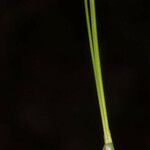
Carex sempervirens
Evergreen Sedge · Alpine tufted sedge
Description
Source: leafsnapCarex sempervirens, commonly known as evergreen sedge, is a perennial plant that belongs to the family Cyperaceae. It is native to North America and is typically found in wetlands, meadows, and forests. This plant has a clumping growth habit with narrow, green leaves that can reach up to 2 feet in height. Evergreen sedge produces small, greenish-brown flowers that bloom from May to July. These flowers are followed by small seed heads that provide food for birds. This plant is an excellent choice for gardeners seeking a low-maintenance ground cover or border plant. It prefers moist soil but can tolerate some drought once established. It also thrives in both full sun and partial shade. Beyond its ornamental value, evergreen sedge has various uses. Native Americans have historically used it for medicinal purposes, such as treating headaches and stomachaches. Overall, Carex sempervirens is an attractive perennial with year-round interest due to its evergreen foliage. Its adaptability makes it suitable for many garden settings, while also offering ecological benefits, such as providing food sources for wildlife like birds.
💡 In 1754, Lin Nai established the genus known as "true sedge." This plant is a significant component of China's flora and is the dominant grass species in the lowest layer of many forests. In some areas, true sedge makes up most of the lower vegetation.
Care Guide
💧 Water Every 7 days
Alpine tufted sedge flourishes in cool, moist alpine environments. It prefers soil that is consistently hydrated and well-drained, while avoiding waterlogging. Watering this plant weekly mimics its natural moisture patterns and helps it withstand temperature fluctuations during the growing season.
What should I do if I give too much or too little water to my Alpine tufted sedge plant?
Proper watering is essential for the health of this ornamental grass. When planted in the ground, any watering issues can be resolved. However, if grown in a container, too much or too little water can quickly kill the Alpine tufted sedge. Insufficient watering can cause the grass to cease growing, while overwatering can lead to yellow leaves with brown tips. Underwatering may result in drooping leaves, weak seed head production, and browning of the leaves. If you suspect watering problems, the first step is to determine if there is excessive or insufficient water. In the case of too much water, stop watering immediately and allow time for heavy soils to dry out. Once new growth appears, test the soil for moisture and decide whether more watering is necessary. On the other hand, if the grass is not receiving enough water, simply provide a thorough watering and observe if it becomes revitalized. Always remember that a deep watering is preferable to frequent shallow waterings, as it encourages the development of deep roots, improving drought resistance and reducing watering-related issues.
How much water does my Alpine tufted sedge need?
The watering needs of Alpine tufted sedge vary depending on its location. In general, watering once a week is recommended. However, in hot climates, watering once or twice a week during summer may be necessary. In moderate climates, watering once every seven days or more should be sufficient. Grass in containers typically need more frequent watering than grasses planted in the ground. However, the watering frequency also depends on the grass species and its location. For example, grasses in shaded areas require less frequent watering compared to those growing in the ground. It's important to water Alpine tufted sedge only when the soil is dry. You can check the soil moisture by pressing your finger a few inches into the soil or by weighing the pot to see if it feels light. When the roots lack sufficient water, the grass blades may appear folded and thinner than usual. While this grass is drought-tolerant, regular deep waterings will enhance its color and overall appearance. In the wild, Alpine tufted sedge grows in open scrubland, exposed to extreme heat, bright sun, and intermittent rain. Although it is drought resistant, this grass still requires care and attention. Gardeners recommend providing consistent water for optimal growth. When initially planted, Alpine tufted sedge needs more frequent watering until it establishes deep roots. For potted plants, the soil tends to dry out quickly, especially if exposed to hot, direct sun. It's advisable to test the soil every 3 to 4 days and water only when it feels dry. In-ground Alpine tufted sedge generally requires less watering, but the frequency depends on the soil type. Clay soil holds moisture well, so it may feel dry at the surface while still retaining moisture below. Sandy soils, on the other hand, drain quickly and may need more frequent watering.
What should I watch out for when watering my Alpine tufted sedge in different seasons, climates, or during different stages of growth?
To determine if you are watering enough, observe the growth rate of your grasses. Alpine tufted sedge tends to double in size within a year during the hottest months. If your grass is not growing vigorously in hot weather, consider adjusting your watering schedule. In winter, you may be able to water once a month, but check the soil for moisture. During the growth cycle (warm months), the grass requires more water, while during winter and cooler months, the water needs significantly decrease. Remember, for Alpine tufted sedge, allow the soil to dry completely before watering again.
☀️ Light Full sun
The upright sedge grows best in full sunlight, though it can persist in somewhat shaded locations. Its native habitat is primarily open wetlands. Insufficient sunlight can limit its growth, while excessive exposure is not a major problem, showing its resilience.
What are the sunlight requirements for Alpine tufted sedge?
Alpine tufted sedge (Carex sempervirens) thrives in full sun, requiring above 6 hours of sunlight daily, but it can also tolerate partial sun conditions, which means about 3-6 hours of sunlight. It's important to watch how sunlight moves through your garden to choose spots that provide the perfect balance of light and shade for the plant, ensuring its happiness and healthy growth.
What does Alpine tufted sedge need to grow successfully?
To grow successfully, Alpine tufted sedge, a sun-loving perennial herbaceous plant originating from open habitats like meadows and grasslands, needs full to partial sun exposure. In cases where natural sunlight is insufficient, especially during winter or in less sunny spaces, artificial lighting can be used to promote optimal growth. LED lights are recommended for indoor plant lighting as they can be customized to provide specific wavelengths of light needed by the plant. For full sun plants, 30-50W/sq ft of artificial light is needed, partial sun plants require 20-30W/sq ft, and full shade plants need 10-20W/sq ft. The light source should be placed 12-36 inches above the plant, and the duration of exposure should mimic natural daylight hours, generally 8-12 hours per day.
What are the signs of insufficient light for Alpine tufted sedge?
When Alpine tufted sedge is exposed to inadequate lighting, several symptoms can appear including smaller new leaves, leggy or sparse growth, faster leaf drop, slower or no new growth, lighter-colored new leaves, chlorosis (leaves losing their green color), sunscald (damage from intense sunlight), leaf curling, wilting, and leaf scorching. These symptoms indicate that the plant is not receiving enough light to maintain healthy growth and perform photosynthesis effectively.
What solutions can help Alpine tufted sedge receiving insufficient light?
For Alpine tufted sedge facing insufficient light, solutions vary based on the setting. Indoors, gradually moving the plant to a sunnier location each week until it receives at least 6 hours of direct sunlight daily is recommended, using a south-facing window to maximize sunlight exposure. Artificial lighting, such as keeping a desk or ceiling lamp on for at least 8 hours daily or investing in plant grow lights, can also help. Outdoors, plants should be moved gradually to sunnier spots to avoid sunburn. If trees obstruct sunlight, consider pruning them. For smaller plants, transplanting during the dormant period to a location with ample sunlight and good drainage is advisable. Note that parts of the plant affected by insufficient light may not recover, but new growth will be healthy with increased light exposure.
🌡️ Temperature 0–32.2°C
Upright sedge originates from temperate regions and prefers temperatures between 32 and 90 °F (0 to 32 °C). To ensure healthy growth through seasonal changes, cooler temperatures should be maintained during winter, with warmth gradually increasing throughout spring and summer.
💨 Humidity
🪴 Soil 5-6
🌱 Fertilizer
Typically, a single fertilizer application in spring is enough for Upright sedge, though multiple feedings can enhance growth. Apply fertilizer every month to month and a half. Fertilization improves leaf appearance and function, helping maintain even color and a healthy texture. It also encourages root development and nutrient uptake for the plant's long-term health.
🪴 Pot & Repot
✂️ Pruning
The clump-forming perennial alpine tufted sedge showcases dense, arching foliage. To keep it healthy, prune it in early spring. This helps remove any winter damage and encourages new growth while ensuring you don't disturb the crown. Regular pruning is important for maintaining its shape, preventing overcrowding, and improving air circulation. These practices promote the plant's overall health and enhance its aesthetic appeal throughout the growing season.
🌿 Propagating
🐛 Diseases & pets
☠️ Toxicity
Characteristics
- Plant Type
- Herb
- Life Cycle
- Perennial
- Genus
- Carex
- Family
- Cyperaceae
- Hardiness Zone
- 3-8
- Mature Height
- 30 cm to 91 cm
- Mature Spread
- 61 cm
- Leaf Color
- Green
- Leaf Type
- Evergreen
- Flower Color
- Green, Brown
- Flower Size
- 10.16 cm
- Bloom Time
- Early spring, Mid spring
- Planting Time
- Spring, Summer, Autumn
- Harvest Time
- Late spring, Early summer
- Native Area
- South Africa