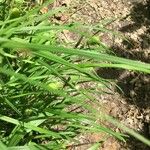
Carex squarrosa
Squarrose Sedge · Narrow-leaved Cattail Sedge
Description
Source: leafsnapCarex squarrosa is a species of sedge (genus Carex), native to the central and eastern United States, and Ontario in Canada. It is typically found in bottomland hardwood forests and other wet habitats.
💡 In 1754, Lin Nai established the genus known as "true sedge." This plant is a significant component of China's flora and is the dominant grass species in the lowest layer of many forests. In some areas, true sedge makes up most of the lower vegetation.
Care Guide
💧 Water
Squarrose sedge thrives in wet, marshy environments and needs consistently moist soil to grow well. It can tolerate high humidity, but it still requires weekly watering. As an outdoor plant, it benefits from natural rainfall, so complicated irrigation systems are not necessary for its growth.
☀️ Light Full sun
Squarrose sedge prefers plentiful sunlight for steady growth, though it also tolerates moderate sun. Sunlight benefits it at all stages of its life, as it originates from habitats rich in light. However, too much sun can be damaging, and inadequate light can be harmful as well.
What are the sunlight requirements for Squarrose sedge?
Squarrose sedge thrives best in abundant solar exposure, requiring over 6 hours of sunlight for 'Full sun' conditions and about 3-6 hours for 'Partial sun'. It is adaptable to different light conditions at various life stages, benefiting significantly from environments rich in sunlight. However, it's essential to observe the movement of sunlight through your garden to find spots that offer the right balance of light and shade, ensuring the plants' well-being and preventing the adverse effects of too much or too little sunlight.
How can artificial lighting supplement natural sunlight for Squarrose sedge?
When natural sunlight is insufficient, especially during winter or in less sunny spaces, artificial lighting can be a valuable alternative for indoor plants like Squarrosse sedge, promoting healthier and faster growth. LED lights are recommended because they can be tailored to provide specific light wavelengths needed by the plants. For full sun plants, 30-50W/sq ft is advisable; partial sun plants require 20-30W/sq ft; and full shade plants need 10-20W/sq ft. The light source should be placed 12-36 inches above the plants to emulate natural sunlight, and the duration should mimic natural daylight hours, typically between 8-12 hours per day.
What are the symptoms of incorrect lighting for Squarrose sedge?
Symptoms of inadequate lighting in Squarrose sedge include smaller new leaves, leggy or sparse growth, faster leaf drop, slower or halted growth, and lighter-colored or irregularly patterned new leaves. Excessive sunlight can cause chlorosis (yellowing of leaves), sunscald (pale or necrotic areas on leaves), leaf curling, wilting, and leaf scorching (brown, dry edges on leaves). These symptoms indicate the plant's struggle with either too much or too little light, affecting its health and growth.
What solutions can improve sunlight exposure for Squarrose sedge?
To optimize sunlight exposure for Squarrosse sedge, gradually move plants to sunnier locations each week until they receive at least 6 hours of direct sunlight daily. Utilize south-facing windows and keep curtains open for maximum light. Consider artificial lighting for indoor or immovable plants, keeping lights on for at least 8 hours daily. Outdoors, acclimatize plants to brighter conditions to prevent sunburn. Reduce sun-blocking obstructions like tree branches and consider transplanting small plants during dormant periods to sunnier spots with good drainage. It’s important to note that while parts of the plant affected by poor light may not recover, new growth should be healthy with improved light conditions.
🌡️ Temperature 10–35°C
Squarrose sedge originates from habitats where temperatures commonly range from 50 to 95 °F (10 to 35 ℃). Due to its temperate origins, it prefers mild conditions and requires some care to adjust exposure to extreme heat or cold.
What are the optimal temperature conditions for Squarrose Sedge?
Squarrose sedge thrives in environments where temperatures commonly range between 50 to 95 °F (10 to 35 °C). Originating from temperate environments, this sedge prefers mild conditions and requires some care when exposing it to either extreme heat or cold. It has a strong resistance to cold, meaning special frost protection measures are generally not needed during winter. However, it's important to provide protection against temperatures below -25°C by covering the plant with soil or straw, and by watering abundantly before the first freeze in autumn to ensure the soil remains moist and enters a frozen state. This preparation helps prevent drought and water scarcity during winter and early spring.
How do I care for Squarrose Sedge during low temperatures?
Squarrose sedge is cold-tolerant and fares best when temperatures stay above 10°C. Throughout the winter, it should be maintained above -15°C. If temperatures fall below -25°C, you may not see any noticeable changes during winter, but come spring, there might be reduced or even no sprouting. In spring, it's advised to remove any parts of the sedge that have failed to sprout as a way to manage its recovery from low temperature stress.
What should I do if Squarrose Sedge is exposed to high temperatures?
In summer, it's critical to ensure Squarrose sedge stays below 35°C. Exposing the sedge to temperatures above 41°C can cause the leaves to lighten in color, become prone to curling, suffer from sunburn, and in severe cases, the entire plant may wilt and dry out. To mitigate these issues, trim away sunburned and dried-up parts of the plant. Relocate the sedge to a spot that provides shade from the midday and afternoon sun, or use a shade cloth to protect it. Additionally, water the plant in the morning and evening to maintain soil moisture and help it cope with high temperatures.
💨 Humidity
🪴 Soil 5-7
🌱 Fertilizer
Squarrose sedge benefits from extra nutrients to encourage healthy new growth. In spring, adding compost around the plant’s base will effectively supply the nutrition it requires. Fertilizing helps promote vigorous growth and improves the plant’s resistance to diseases and pests.
🪴 Pot & Repot
✂️ Pruning
Squarrose sedge is a perennial sedge that grows in clumps and features bristly flower clusters. To keep the plant healthy and well-shaped, it's best to prune it in early spring. Use sharp, sterile tools to remove dead leaves and maintain its form. This practice promotes healthy growth, reduces the risk of disease, and improves air circulation, all of which contribute to better plant health.
🌿 Propagating
🐛 Diseases & pets
☠️ Toxicity
Characteristics
- Plant Type
- Grass
- Life Cycle
- Perennial
- Genus
- Carex
- Family
- Cyperaceae
- Hardiness Zone
- 6-10
- Mature Height
- 46 cm to 61 cm
- Mature Spread
- 20 cm to 40 cm
- Leaf Color
- Green
- Leaf Type
- Evergreen
- Flower Color
- Green
- Flower Size
- 0.51 cm to 1.02 cm
- Bloom Time
- Late spring, Early summer
- Planting Time
- Spring, Summer, Autumn
- Harvest Time
- Mid summer, Late summer