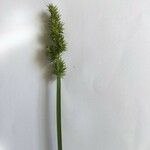
Carex stipata
Stalk-Grain Sedge · Awlfruit sedge · Awl-fruited sedge · Common fox sedge · Owlfruit sedge
Description
Source: leafsnapCarex stipata, variously called the prickly sedge, awl-fruited sedge, awlfruit sedge, owlfruit sedge, swamp sedge, sawbeak sedge, stalk-grain sedge and common fox sedge, is a species of flowering plant in the genus Carex, native to Canada, the United States, China, Korea, Japan, and Far Eastern Russia. It is a wetland obligate.
💡 In 1754, Lin Nai established the genus known as "true sedge." This plant is a significant component of China's flora and is the dominant grass species in the lowest layer of many forests. In some areas, true sedge makes up most of the lower vegetation.
Care Guide
💧 Water
Awlfruit sedge thrives in high humidity and moist conditions, requiring weekly watering to remain healthy. As an evergreen plant, it retains its leaves year-round, which helps enhance water retention. This makes it an ideal choice for indoor environments with elevated humidity levels.
What should I do if I give my Awlfruit sedge too much water or not enough water?
Proper watering is crucial for the growth of this beautiful ornamental grass. If planted in the ground, watering issues can be resolved. However, in a container, over or under-watering can quickly lead to the death of Awlfruit sedge. When the right amount of water is not provided, the grass may cease to grow. Overwatering can cause yellow leaves with brown tips, while underwatering can result in drooping leaves, weak seed head production, and browned leaves. If you suspect improper watering, determine if there is too much or too little water. If overwatering is the issue, stop watering immediately and wait for the soil to dry out. Once new growth appears, test the moisture of the soil and decide if more water is needed. For underwatered grass, simply give it a deep drink and observe if it recovers. It is important to remember that deep, thorough watering is better than frequent shallow watering as it encourages deep root growth, making the grass more resistant to drought and watering-related problems.
How much water does my Awlfruit sedge need?
The watering requirements of Awlfruit sedge vary depending on its planting location. Typically, watering this grass once a week is sufficient. In hot climates, watering once or twice a week during summer may be necessary. In moderate climates, watering once every seven days or more may be enough. Grass grown in containers generally requires more frequent watering than grasses in the ground. Additionally, the location of the grass, whether it is in full sun or part shade, also affects its watering needs. Shaded grasses need to be watered less frequently compared to grasses planted in the ground. It is important to water Awlfruit sedge only when the soil is dry. There are certain signs that can indicate the need for watering, such as pressing a finger a couple of inches into the soil to check its moisture level. For potted grass, the weight of the container can also indicate its need for water. If the pot feels light, it is likely in need of watering. Insufficient water can cause the blades of the grass to appear folded and thinner than usual. Despite its ability to withstand drought conditions, regular and deep watering will enhance the grass's color. In its natural habitat, Awlfruit sedge grows in open scrubland, exposed to extreme heat, bright sun, and intermittent rain. While this grass is drought-resistant, it still requires care and attention. Although it can tolerate harsh and dry conditions, consistent watering is recommended for optimal growth. When initially planted, Awlfruit sedge needs more frequent watering until it establishes deep roots. For potted grass, the soil tends to dry out quickly, especially if exposed to hot and direct sunlight. It is advisable to test the soil every 3 to 4 days and water only when it feels dry. In-ground Awlfruit sedge generally requires less watering, but this varies depending on the type of soil. Clay soil holds water longer and may feel dry on the surface while retaining moisture underneath. Sandy soils, on the other hand, drain quickly and may require more frequent watering.
What do I need to watch out for when I water my Awlfruit sedge in different seasons, climates, or during different stages of growth?
To determine if you are watering your grass enough, pay attention to its growth rate. Awlfruit sedge, for example, can double in size within a year during the hottest months. If the weather is hot and the grass is not growing well, it may be necessary to adjust your watering schedule. In winter, you may only need to water once a month, but it's still important to check the moisture level of the soil. During its growth cycle in warm months, the grass will require more water than usual. However, the need for water will decrease significantly during winter and cooler months. Remember that it is crucial for the soil to completely dry out before adding water, especially for Awlfruit sedge.
☀️ Light Full sun
Awlfruit sedge performs best with abundant light throughout the day, though it can tolerate places where sunlight is somewhat reduced. Excessive light can cause leaf burn, while too little light may limit its growth and vigor. Its native habitat includes areas with intense sun exposure.
What are the sunlight requirements for Awlfruit sedge?
Awlfruit sedge requires full sun, which is defined as above 6 hours of sunlight, and can also thrive in partial sun, about 3-6 hours of sunlight. It is important to observe how sunlight moves through your garden to find spots that offer a balanced environment of light and shade for your plants. This ensures their growth and happiness by providing the right amount of light exposure throughout the day.
How does Awlfruit sedge respond to light conditions?
Awlfruit sedge thrives under abundant light but can also adapt to less intense sunlight areas. However, too much direct sunlight can cause leaf burn, while insufficient light may lead to reduced growth and vitality. Being native to environments with intense sun exposure, it's important to mimic these conditions as closely as possible for optimal growth. When natural light is inadequate, especially during winter or in less sunny spaces, artificial lighting such as LED lights can be utilized to supplement light, ensuring healthy plant development.
What are the symptoms of inadequate light for Awlfruit sedge?
Inadequate lighting can result in several symptoms for Awlfruit sedge, including smaller new leaves, leggy or sparse growth, faster leaf drop, slower or no new growth, lighter-colored new leaves, chlorosis, sunscald, leaf curling, wilting, and leaf scorching. These symptoms indicate either a lack of sufficient light or overexposure, both of which can significantly impact the plant's health and vitality.
How can I address light-related issues for indoor and outdoor Awlfruit sedge plants?
For indoor Awlfruit sedge plants, gradually increase their exposure to sunlight or use artificial lighting to supplement natural light. A south-facing window can provide significant sunlight; otherwise, consider using grow lights for at least 8 hours daily. For outdoor plants, find spots that offer the optimal sunlight by gradually moving the plants to sunnier locations each week. Ensuring they adapt without experiencing sunburn is key. If a plant has suffered from light deficiency, focus on new growth after adjusting light conditions as parts damaged by insufficient light may not recover. Additionally, reducing obstructions or transplanting to areas with better sunlight can also benefit plant health significantly.
🌡️ Temperature 0–35°C
Awlfruit sedge is native to temperate regions and is typically adapted to temperatures from 32 to 95°F (0 to 35℃). Seasonally, it is advisable to adjust local temperatures to mirror its natural habitat for optimal growth.
What is Awlfruit Sedge and where is it native to?
Awlfruit Sedge, or Carex stipata, is a plant that thrives in temperate climates. It is well-suited for temperatures ranging from 32 to 95°F (0 to 35°C), indicating its native adaptation to environments that experience a wide range of thermal conditions.
Does Awlfruit Sedge require cold protection during winter?
Awlfruit Sedge possesses strong cold resistance, diminishing the need for special frost protection measures in most scenarios. However, in regions where winter temperatures plummet below -35°C, it becomes crucial to safeguard the plant. This can involve covering the plant with soil or straw to insulate it against extreme cold. Additionally, watering the plant abundantly before the first freeze of autumn to maintain moist soil can prevent drought and water scarcity during the colder months and early spring.
How does low temperature affect Awlfruit Sedge, and what are the solutions?
Awlfruit Sedge is notably cold-tolerant, withstanding temperatures above 0°C effectively, but it is advised to keep it above -30°C during winter to prevent damage. When temperatures fall below -35°C, the plant may not exhibit immediate damage but could experience a decrease in sprouting or fail to sprout at all come spring. The remedy involves removing any parts of the plant that have failed to sprout in spring.
How does high temperature affect Awlfruit Sedge, and what can be done?
During the summer, it is essential to ensure that the temperature surrounding Awlfruit Sedge does not exceed 35°C. Exceeding this temperature threshold, especially above 38°C, might result in the plant's leaves becoming lighter in color, curl up, suffer from sunburn, and in severe cases, wilt and dry out completely. To mitigate these issues, it's advisable to trim away the sunburned and dried parts, relocate the plant to a shaded area during the midday and afternoon, or utilize a shade cloth. Additionally, watering the plant in the morning and evening can help keep the soil adequately moist.
💨 Humidity
🪴 Soil 5-7
🌱 Fertilizer
Awlfruit sedge needs extra nutrients to encourage healthy new growth. In spring, adding compost around the plant’s base will effectively supply the nutrition it requires. Fertilizing supports vigorous growth and helps the plant fend off diseases and pests.
🪴 Pot & Repot
✂️ Pruning
The Awlfruit sedge is a plant known for its dense, clump-forming growth habit and narrow, gracefully arching leaves. To promote healthy growth and improve air circulation, it is best to prune in early spring. Be careful not to over-prune, as this can cause stress to the plant. Regular trimming helps manage the plant’s size and can prevent disease.
🌿 Propagating
🐛 Diseases & pets
☠️ Toxicity
Characteristics
- Plant Type
- Grass
- Life Cycle
- Perennial
- Genus
- Carex
- Family
- Cyperaceae
- Hardiness Zone
- 3-9
- Mature Height
- 30 cm to 91 cm
- Mature Spread
- 91 cm
- Leaf Color
- Light Green, Olive Drab
- Leaf Type
- Deciduous
- Flower Color
- Green, Brown, Yellow
- Flower Size
- 3.56 cm to 5.08 cm
- Bloom Time
- Mid spring, Late spring
- Planting Time
- Spring, Summer, Autumn
- Harvest Time
- Early summer, Mid summer
- Native Area
- Russia, Japan, Koppen, South Korea, China