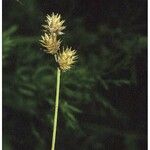
Carex straminea
Eastern Straw Sedge
Description
Source: leafsnapCarex straminea, known as eastern straw sedge, is a species of sedge native to North America.
Care Guide
💧 Water
☀️ Light Partial sun
The Eastern straw sedge is indigenous to habitats like forest undergrowth or stony regions where it naturally receives shade. It favors semi-sunny conditions, but shows its flexibility and resilience by being able to adjust to either complete sunlight or total shade.
🌡️ Temperature 0–35°C
Eastern straw sedge is capable of adjusting to a broad spectrum of thermal situations. Nevertheless, its range could still be curtailed by various mixtures of hydration and thermal circumstances. It flourishes optimally in hot weather during the summer months given sufficient rain or irrigation. Extended phases of overcast and rainy climates, along with long-lasting elevated temperatures, can escalate the probability of the Eastern straw sedge perishing. In the winter season, adequate safeguarding against low temperatures can enhance the plant's likelihood of survival.
💨 Humidity
🪴 Soil 6-8
🌱 Fertilizer
The Eastern straw sedge necessitates supplementary nutrients to foster robust new development. Distributing some compost around the plant's base in the spring can efficiently supply the required nourishment it demands. The process of fertilization assists in facilitating strong growth and aids the plant in warding off diseases and pests.
🪴 Pot & Repot
✂️ Pruning
🌿 Propagating
🐛 Diseases & pets
☠️ Toxicity
Characteristics
- Plant Type
- Grass, Herb
- Life Cycle
- Perennial
- Genus
- Carex
- Family
- Cyperaceae
- Hardiness Zone
- 3-9
- Mature Height
- 30 cm to 76 cm
- Mature Spread
- 20 cm to 40 cm
- Leaf Color
- Light Green, Olive Drab
- Leaf Type
- Deciduous
- Bloom Time
- Late spring, Early summer
- Planting Time
- Spring, Summer, Autumn
- Harvest Time
- Mid summer, Late summer