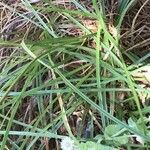
Carex sylvatica
European Woodland Sedge · Wood sedge · Woodland sedge · Andrews · European Wood-sedge
Description
Source: leafsnapCarex sylvatica, commonly known as woodland sedge, is a perennial plant belonging to the family Cyperaceae. Native to Europe and Asia, it has also been introduced to North America. The plant reaches up to 60 cm in height and features narrow, dark green leaves that are about 5-10 mm wide. Its stems are triangular and have a reddish-brown hue. Woodland sedge thrives in moist soils with good drainage but can endure dry conditions once established. It grows well in partial to full shade, although it can tolerate some sun exposure. From May to June, the plant produces small, greenish-brown flowers, followed by small brown seed capsules that ripen from July to August. Woodland sedge is commonly used as ground cover or for edging in shady garden areas or woodland gardens. It also provides habitat for wildlife such as birds, butterflies, and bees. Overall, Carex sylvatica is an attractive ornamental grass with low maintenance requirements. It adds texture and interest to shady garden areas while providing ecological benefits for wildlife habitats.
💡 In 1754, Lin Nai established the genus known as "true sedge." This plant is a significant component of China's flora and is the dominant grass species in the lowest layer of many forests. In some areas, true sedge makes up most of the lower vegetation.
Care Guide
💧 Water Every 7 days
Wood sedge thrives in areas with consistent moisture and does best in evenly moist soil, making it ideal for understory habitats. Once established, it can tolerate moderate drought conditions. To maintain its lush foliage, weekly watering is essential. Additionally, seasonal rainfall influences its water needs and growth as an herbaceous perennial.
How should I water my Wood sedge plant for it to thrive?
When growing Wood sedge as a lawn, there are specific ways to properly water it. One option is to use a hose with a spray nozzle attachment, while another is to set up a sprinkler system. For optimal watering, it is recommended to use a sprinkler system with a timer, ensuring the right amount of water at the right time. It is best to use cool or room temperature water and water in the morning. This allows the water to saturate the soil while the morning sun can evaporate any excess moisture.
What should I do if I give too much or too little water to my Wood sedge plant?
If you accidentally overwater your Wood sedge, you can take a few steps to restore your lawn's health. To address this issue, aerating your lawn is one of the best approaches as it will fix any compacted soils that could hinder water drainage. Additionally, consider dethatching your Wood sedge in such cases. On the other hand, the remedy for underwatering your Wood sedge is different. In this situation, allow your lawn to grow a bit longer before mowing it. It's also important to provide your Wood sedge with slightly more water than before.
How frequently should I water my Wood sedge?
The frequency of watering your Wood sedge depends on where you live, the climate, and the season. In cooler northern regions, watering every 1-2 weeks is usually enough, while in warmer southern regions, watering once a week is more common. However, if there is regular rainfall, you can adjust your watering schedule accordingly. Keep in mind that rainfall alone may not be sufficient to keep the lawn alive. During summer, the grass may go into a dormancy period where it doesn't need water to produce new growth, but it may still need water to prevent it from drying out.
How much water does my Wood sedge require?
Knowing how to properly water your Wood sedge is actually quite straightforward. Regardless of whether you reside in a cooler northern region or a warmer southern area, the recommended amount of water to give your Wood sedge is approximately one inch each time you water it. The only exception to this guideline is during the peak of summer when the grass goes through a brief dormant period. During this time, it is advisable to provide your Wood sedge with lighter but sufficient waterings in order to mitigate the harmful effects of the intense sunlight. It is important to consider the size of the area covered by your Wood sedge when determining the overall volume of water needed. For instance, a larger Wood sedge area would require more water compared to a small Wood sedge lawn.
How do I know if I am giving enough water to my Wood sedge?
There are several visual cues that indicate whether you are giving your Wood sedge too much or too little water. When you overwater, the blades of Wood sedge may become softer than usual, and you may notice a buildup of thatch. On the other hand, underwatering can result in brown patches, heat stress, fungus accumulation, and yellowing of the grass blades. Additionally, underwatered lawns tend to preserve footprints longer compared to lawns that receive the correct amount of water.
☀️ Light Partial sun
Wood sedge grows best where sunlight filters through and reaches the plant intermittently during the day. It does well in locations without constant sun, though it can also tolerate the extremes of full sun exposure and complete shade. Too much light or too little can impede its healthy growth, causing withered leaves with overexposure and stunted growth with insufficient light.
What are the sunlight requirements for Wood Sedge?
Wood Sedge (Carex sylvatica) thrives in varied sunlight conditions, from filtered sunlight to full sun exposure and complete shade. It needs about 3-6 hours of sunlight when grown in partial sun conditions and more than 6 hours in full sun or full shade. The plant's health can be adversely affected by either overexposure or insufficient exposure to sunlight, leading to symptoms like withered leaves or stunted growth. It's crucial to watch how sunlight moves through your garden and choose locations that offer the ideal balance for your plants.
How does artificial lighting assist in the growth of indoor Wood Sedge plants?
Indoor Wood Sedge plants benefit substantially from artificial lighting, especially when natural sunlight is inadequate, such as during winter or in less sunny spaces. Artificial lights, like LEDs, can be customized to provide specific light wavelengths needed for optimal growth. For full sun plants, 30-50W/sq ft of artificial light is recommended, 20-30W/sq ft for partial sun plants, and 10-20W/sq ft for full shade plants. The light source should be placed 12-36 inches above the plant to mimic natural sunlight, and the duration should mimic natural daylight hours, typically 8-12 hours per day.
What are common symptoms of insufficient light in Wood Sedge?
When Wood Sedge is grown indoors with insufficient light, it may exhibit several symptoms indicating light deficiency. These include smaller new leaves, leggy or sparse growth due to elongated spaces between leaves or stems, faster leaf drop as the plant conserves resources, slower or halted growth as the plant enters survival mode, and pale or irregularly colored new leaves. Chlorosis, or the loss of green color in leaves, sunscald, leaf curling, wilting due to increased water loss, and leaf scorching are also symptoms that can arise from excessive sunlight or insufficient light.
How can I manage light conditions for my indoor or outdoor Wood Sedge plants to promote healthy growth?
To optimize light conditions for Wood Sedge, gradual adaptation is key. For indoor plants, move them weekly to progressively sunnier spots until they receive 3-6 hours of direct sunlight daily. If moving the plant is not feasible, consider using desk or ceiling lamps for at least 8 hours daily, or invest in professional plant grow lights. For outdoor plants, gradually shift them to sunnier locations each week to avoid sunburn. Obstructions like trees may need pruning to allow more sunlight through. If needed, smaller plants can be transplanted during their dormant period (late winter or early spring) to a better-lit location. It's important to note that parts of the plant that suffered from insufficient sunlight may not recover, but new growth should be healthy once adequate light conditions are established.
🌡️ Temperature 5–35°C
Wood sedge can tolerate a wide variety of temperature conditions, though its range may still be restricted by different combinations of moisture and heat. It performs best in warm summer climates with sufficient rainfall or watering. Extended periods of cloudy, rainy weather or prolonged high temperatures can raise the chance of Wood sedge dying. In winter, adequate protection from cold can increase the plant's survival rate.
💨 Humidity
🪴 Soil 5-7
🌱 Fertilizer
Wood sedge is a cool-season grass that mainly grows in spring and fall. It goes dormant in winter and its growth slows in summer. Applying appropriate fertilizers in spring can provide nutrients and encourage vigorous, dense growth. Lawns that are well-fed are greener, more resilient, and more resistant to pests and weeds.
Why should I put fertilizer on my Wood sedge?
Fertilizing Wood sedge is crucial for strong and abundant growth. A lawn that's well-fed and healthy not only stays lush and green, but also bounces back quickly from damage caused by insects or machinery. It can also handle seasonal challenges such as extreme heat, drought, and cold weather better. On the other hand, lawns that lack proper fertilization gradually become less dense and thinner over time, making way for unwanted grasses and weeds to take over. Additionally, undernourished lawns are more susceptible to insect infestations and diseases.
When should I fertilize my Wood sedge to make it grow best?
Wood sedge is a type of cool-season grass that mainly grows during spring and fall when the weather is mild. It becomes dormant in the colder winter months and may experience slower growth during the hottest part of summer. To support its growth cycle, it is recommended to fertilize the grass accordingly. This means replenishing nutrients towards the end of each significant growth period, in order to store enough reserves for its survival during the dormant summer and winter seasons.
When is the best time to not fertilize my Wood sedge?
Fertilizer can sometimes harm Wood sedge, especially when the plant is already stressed. If Wood sedge is dealing with diseases or insect problems, it's best to avoid fertilizing as it can weaken the plant's defenses and make it more susceptible to further issues. Fertilizing should also be avoided during the winter dormancy or slow summer growth periods. It's important to wait until the grass is actively growing before applying fertilizer. When applying fertilizer during hot weather, it's best to avoid the hottest part of the day to prevent fertilizer burn. After a rainstorm, it's recommended to let the soil dry out for a day or two before applying fertilizer to minimize runoff and potential water contamination.
What kind of fertilizer does my Wood sedge plant need?
To properly fertilize Wood sedge, it is important to use lawn or turf fertilizers specifically designed for this purpose. It is best to avoid using all-purpose garden fertilizers, such as a 12-12-12 blend. Turf blends usually have higher levels of nitrogen, with less phosphorus and potassium. This balance of nutrients provides the necessary nourishment for the lawn while minimizing any potential damage. Lawn fertilizers are typically formulated with slow-release nutrients, ensuring a steady and long-term feeding for the grass. Among these nutrients, nitrogen is the most crucial for established lawns, as it promotes overall growth and vibrant green color. On the other hand, Wood sedge requires phosphorus and potassium to develop strong stems and roots, withstand drought, tolerate extreme temperatures, and defend against pests and diseases.
How should I fertilize my Wood sedge?
Wood sedge, a cool-season grass, grows the most during spring and fall, but slows down during summer heat. To support its growth, it is important to fertilize the grass in late spring and fall before winter dormancy. Spring fertilization replenishes nutrients and provides food in case growth slows due to heat. Fall fertilization helps the grass recover from summer stress, prepares it for winter, and provides reserves in the roots. To ensure effectiveness, apply the fall fertilizer about six weeks before the first anticipated frost. Always follow label directions for recommended rates or apply fertilizers based on soil test recommendations. After fertilizing, make sure to water the product into the soil well.
🪴 Pot & Repot 2-3 years
When repotting Wood sedge, select a pot 1–2 inches (2.5–5 cm) larger that has good drainage. Use a well-draining potting mix. Repot in spring or fall, setting the root ball slightly lower than the rim of the flower pot. Water thoroughly after repotting and keep the plant in a warm location with indirect sunlight.
✂️ Pruning
Wood sedge is a perennial plant with lush, grass-like foliage. To maintain its health and appearance, consider the following pruning techniques: Cut back old growth in early spring and thin out congested clumps later on to improve air circulation. These practices encourage new growth, prevent disease, and help keep the plant looking tidy.
🌿 Propagating
🐛 Diseases & pets
☠️ Toxicity
Characteristics
- Plant Type
- Grass
- Life Cycle
- Perennial
- Genus
- Carex
- Family
- Cyperaceae
- Hardiness Zone
- 4-9
- Mature Height
- 61 cm
- Mature Spread
- 61 cm
- Leaf Color
- Green
- Leaf Type
- Evergreen
- Flower Color
- Green, Yellow, Brown
- Flower Size
- 0.20 cm to 0.25 cm
- Bloom Time
- Mid spring, Late spring, Early summer
- Planting Time
- Summer, Autumn
- Harvest Time
- Summer