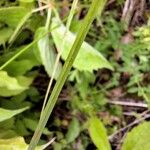
Carex tenera
Quill Sedge · Delicate Quill Sedge · Tender Sedge · Broad-fruited Sedge · Marsh Straw Sedge
Description
Source: leafsnapCarex tenera, known as quill sedge, is a species of sedge native to the northern United States and Canada.Two varieties are recognized in Flora of North America: C. tenera var. tenera C. tenera var. echinodes (= Carex echinodes (Fernald) P.Rothr., Reznicek & Hipp)
Care Guide
💧 Water
☀️ Light Partial sun
The quill sedge is indigenous to habitats like forest undergrowth and rocky terrains, typically characterized by natural shade. Although it favors semi-sunny conditions, it can also thrive under full sunlight or complete shade, showing its adaptable and resilient traits.
🌡️ Temperature 0–35°C
Quill sedge is capable of adjusting to diverse temperature environments, although its spread could still be constrained by varying mixtures of aquatic and thermal conditions. It flourishes optimally in balmy climes during summer, provided there is sufficient rain or irrigation. Extended bouts of overcast, wet weather, and protracted high temperatures may heighten the probability of the Quill sedge perishing. During the cold season, appropriate safeguards against chilliness could enhance the plant's odds of survival.
💨 Humidity
🪴 Soil 6-7
🌱 Fertilizer
To encourage healthy fresh development, Quill sedge needs extra nutrients. By adding compost around the plant's base in the spring, the essential nourishment it needs can be adequately supplied. Fertilizing contributes to robust growth and assists the plant in fighting off diseases and pests.
🪴 Pot & Repot
✂️ Pruning
🌿 Propagating
🐛 Diseases & pets
☠️ Toxicity
Characteristics
- Plant Type
- Grass
- Life Cycle
- Perennial
- Genus
- Carex
- Family
- Cyperaceae
- Hardiness Zone
- 3-9
- Mature Height
- 0.2 m to 1.07 m
- Mature Spread
- 20 cm to 30 cm
- Leaf Color
- Green
- Leaf Type
- Semi-evergreen
- Flower Size
- 0.20 cm to 0.25 cm
- Bloom Time
- Mid spring, Late spring
- Planting Time
- Spring, Autumn
- Harvest Time
- Early summer, Mid summer