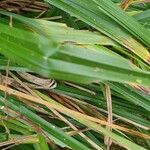
Carex vesicaria
Bladder sedge · Lesser Bladder Sedge · Blister sedge · Inflated Sedge · Small Inflated Sedge
Description
Source: leafsnapCarex vesicaria is an essentially Holarctic species of sedge known as bladder sedge, inflated sedge, and blister sedge. It has been used to insulate footwear in Norway and among the Sami people, and for basketry in North America.
💡 In 1754, Lin Nai established the genus known as "true sedge." This plant is a significant component of China's flora and is the dominant grass species in the lowest layer of many forests. In some areas, true sedge makes up most of the lower vegetation.
Care Guide
💧 Water
Blister sedge flourishes in consistently moist, humid environments, often found in marshy areas. To mimic its natural habitat, it needs to be watered weekly. However, rainfall can satisfy its moisture requirements, potentially reducing the need for extra watering.
What should I do if I give my Blister sedge too much water or not enough water?
If you don't water this beautiful ornamental grass properly, it won't do well. If it's planted in the ground, you can solve watering issues. However, if it's in a container, too much or too little water will kill the Blister sedge quickly. When the Blister sedge doesn't get the right amount of water, it may stop growing. If it's overwatered, it will have yellow leaves with brown tips. If it's underwatered, the leaves will droop, seed head production will be weak, and the leaves will turn brown. If you suspect that your Blister sedge has been watered improperly, first determine whether the problem is too much or too little water. If it's getting too much water, stop watering it immediately. It may take weeks for heavy soils to dry out, so be patient. Once you see new growth, test the soil moisture to decide if it needs more water. If the Blister sedge is not getting enough water, simply give it a deep drink and see if it improves. Keep in mind that it's better to water deeply and less frequently. Deep watering helps the grass grow deep roots, making it more resistant to drought and fewer problems from watering.
How frequently should I water my Blister sedge?
The watering needs of Blister sedge are variable depending on the location. In general, watering once a week is recommended. In hot climates, watering once or twice a week in the summer may be necessary. In moderate climates, watering once every seven days or more may be sufficient. Grass in containers generally requires more frequent watering than grass in the ground. However, the specific location also matters for Blister sedge, as shaded grasses need less water than those grown in the ground. It is important to only water Blister sedge when the soil is dry. Pressing your finger into the soil or weighing the grass in a pot can help determine if it needs water. Despite its drought resistance, regular, deep waterings will result in vibrant color. While Blister sedge can handle harsh conditions, it thrives best with consistent watering. Newly planted Blister sedge and potted grasses require more frequent watering until they establish deep roots. Testing the soil every few days is essential, as clay soils may retain moisture below the surface and sandy soils may drain quickly.
What should I be cautious about when I water my Blister sedge in different seasons, climates, or during different stages of growth?
To determine if you are watering enough, pay attention to how quickly your grasses are growing. For example, blister sedge can double in size within a year during the hottest months. If the weather is hot but the grass is not growing vigorously, adjust your watering schedule accordingly. In winter, watering once a month may be sufficient, but check the soil for moisture to be sure. During the warmest months, the grass will require more water due to its growth cycle, while water needs will decrease during winter and cooler months. Remember that blister sedge should always be allowed to completely dry out before adding water to the soil.
☀️ Light Partial sun
Blister sedge flourishes in gentle, steady sunlight and can tolerate an absence of sunlight. Its native habitat, rich in dappled light, has a positive effect on its growth. Although it is resilient under varying light conditions, an uneven amount of light can potentially harm its health.
What are the sunlight requirements for Blister sedge?
Blister sedge requires partial sun, which means about 3-6 hours of sunlight daily. It's important to observe how sunlight moves through your garden to ensure that you choose locations that offer a good balance of light and shade. This balance is crucial for the happiness and health of your plants.
How does the original growing environment of Blister sedge influence its growth?
The original growing environment of Blister sedge, which is abundant with dappled light, plays a significant role in its positive growth. While Blister sedge is resilient and can tolerate varying light conditions, an imbalance in light exposure can potentially affect its health negatively.
What role does artificial lighting play for indoor Blister sedge plants?
For indoor Blister sedge plants, artificial lighting is crucial, especially when natural sunlight is insufficient. This can be during winter or in spaces that do not receive much sunlight. Artificial lights, such as LED lights, should be chosen carefully to match the plant's needs, providing 30-50W/sq ft for full sun plants, 20-30W/sq ft for partial sun plants, and 10-20W/sq ft for full shade plants. The light source should be placed 12-36 inches above the plant, mimicking natural sunlight. It's also important to determine the duration of exposure, with most plants needing 8-12 hours of light per day.
What are some symptoms of insufficient light for Blister sedge grown indoors?
Symptoms of insufficient light for Blister sedge grown indoors include smaller new leaves, leggy or sparse growth, faster leaf drop, slower or no new growth, lighter-colored new leaves, chlorosis, sunscald, leaf curling, wilting, and leaf scorching. These symptoms indicate that the plant is not receiving adequate sunlight, which is crucial for its health and growth.
What are some solutions to address light deficiency issues in Blister sedge?
To optimize growth and address light deficiency in Blister sedge, gradually move the plants to progressively sunnier spots each week until they receive the ideal amount of direct sunlight. For indoor plants that are too large or not easily movable, consider using artificial lighting such as a desk or ceiling lamp for at least 8 hours daily or invest in professional grow lights. Outdoors, ensure the plants are gradually acclimatized to avoid sunburn. Minimize obstructions to sunlight by pruning or relocating the plants to a sunnier location with good drainage. Remember that parts of the plant affected by insufficient sunlight may not recover, but new growth should be healthy after adapting to better light conditions.
🌡️ Temperature 0–21.1°C
Blister sedge is suited to a temperate climate and prefers temperatures from 32 to 70 °F (0 to 21 °C). To promote healthy growth, it is advisable to monitor and adjust temperatures as the seasons change.
What climate does Blister sedge (Carex vesicaria) prefer for growth?
Blister sedge, known botanically as Carex vesicaria, thrives in a temperate climate. It prefers temperatures ranging between 32 to 70 °F (0 to 21 °C). For healthy growth, it's essential to adjust for temperature variations across different seasons. Despite its high tolerance to cold, careful watering before the first freeze of autumn helps maintain soil moisture through winter and early spring, supporting the plant's needs during colder months.
How does Blister sedge handle low temperatures?
Blister sedge exhibits exceptional cold tolerance, able to withstand winter temperatures above -45°C without the need for additional frost protection measures. However, if temperatures fall below this threshold, the plant may show no adverse signs during winter but could exhibit decreased sprouting or fail to sprout in the ensuing spring. To mitigate this, any non-sprouting parts should be removed at the beginning of spring.
What should I do if Blister sedge is exposed to high temperatures?
Blister sedge is susceptible to high temperatures, ceasing growth and becoming prone to rot when temperatures exceed 21°C. In such cases, it is advisable to trim away any sunburned or dried-up portions of the plant. To protect the plant from excessive heat, move it to a shaded location or utilize a shade cloth to shield it from midday and afternoon sun. Ensuring the soil stays moist by watering in the morning and evening will also help the plant cope with high temperatures.
💨 Humidity
🪴 Soil 5-6
🌱 Fertilizer
Blister sedge needs extra nutrients to encourage healthy new growth. In spring, adding some compost around the plant’s base will effectively supply the necessary nourishment. Fertilizing helps support vigorous growth and improves the plant’s resistance to diseases and pests.
🪴 Pot & Repot
✂️ Pruning
Blister sedge is a perennial plant that benefits from pruning in early spring. This practice promotes growth and improves air circulation. Use clean tools to trim away old foliage and damaged stems, which helps reduce the risk of disease. Regular pruning also helps maintain the plant's shape and prevents overcrowding, making it a healthy and attractive addition to your garden.
🌿 Propagating
🐛 Diseases & pets
☠️ Toxicity
Characteristics
- Plant Type
- Grass
- Life Cycle
- Perennial
- Genus
- Carex
- Family
- Cyperaceae
- Hardiness Zone
- 1
- Mature Height
- 0.3 m to 1.07 m
- Mature Spread
- 30 cm to 61 cm
- Leaf Color
- Green
- Leaf Type
- Evergreen
- Flower Color
- White, Yellow, Green, Brown
- Flower Size
- 2.03 cm to 3.56 cm
- Bloom Time
- Late spring, Early summer
- Planting Time
- Spring, Summer, Autumn
- Harvest Time
- Mid summer, Late summer