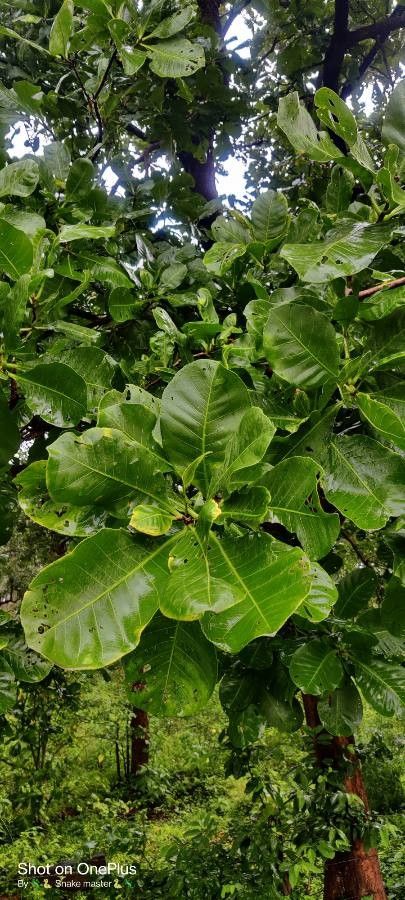
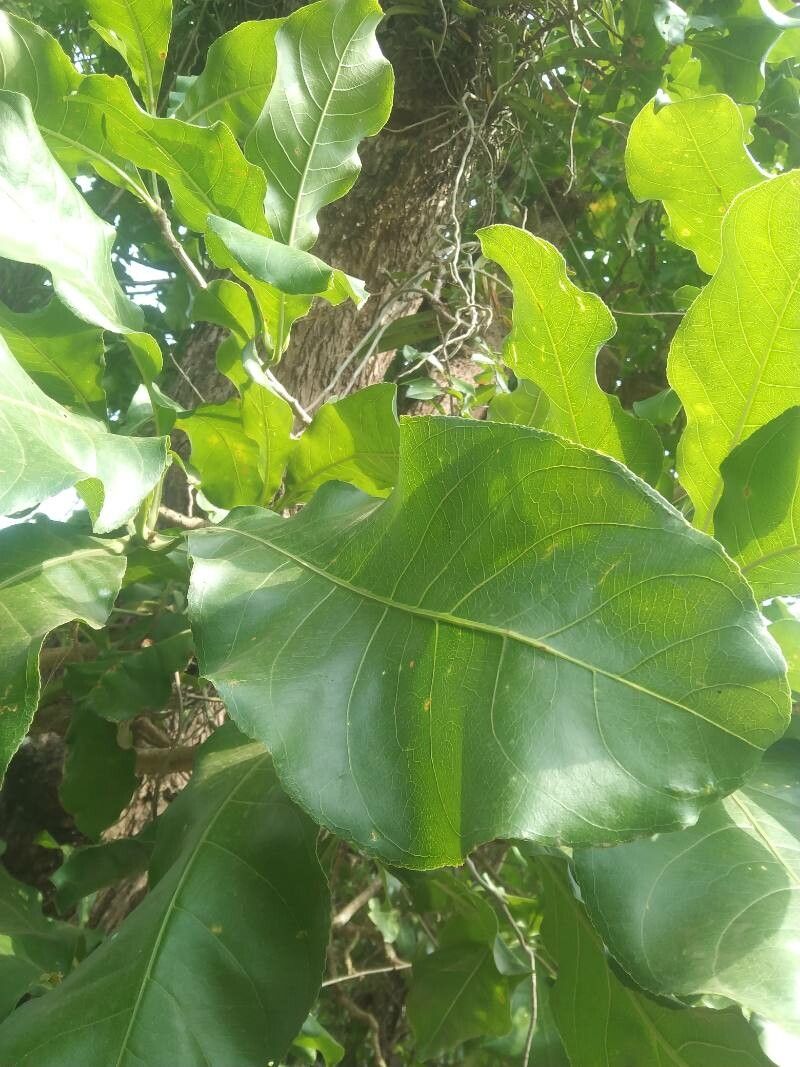
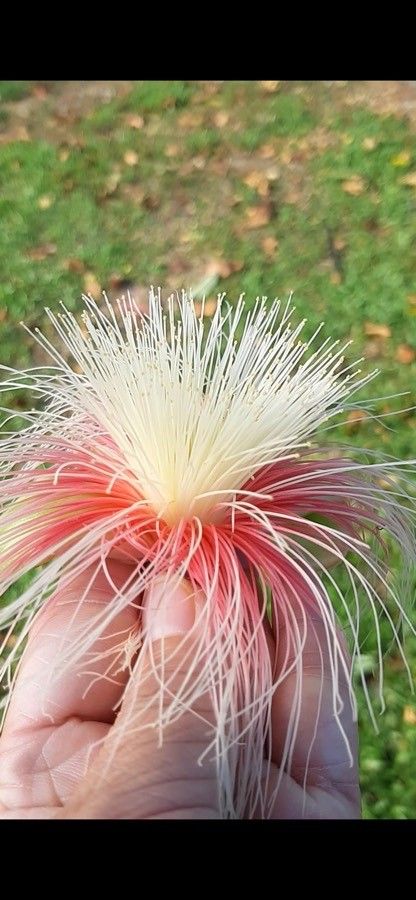
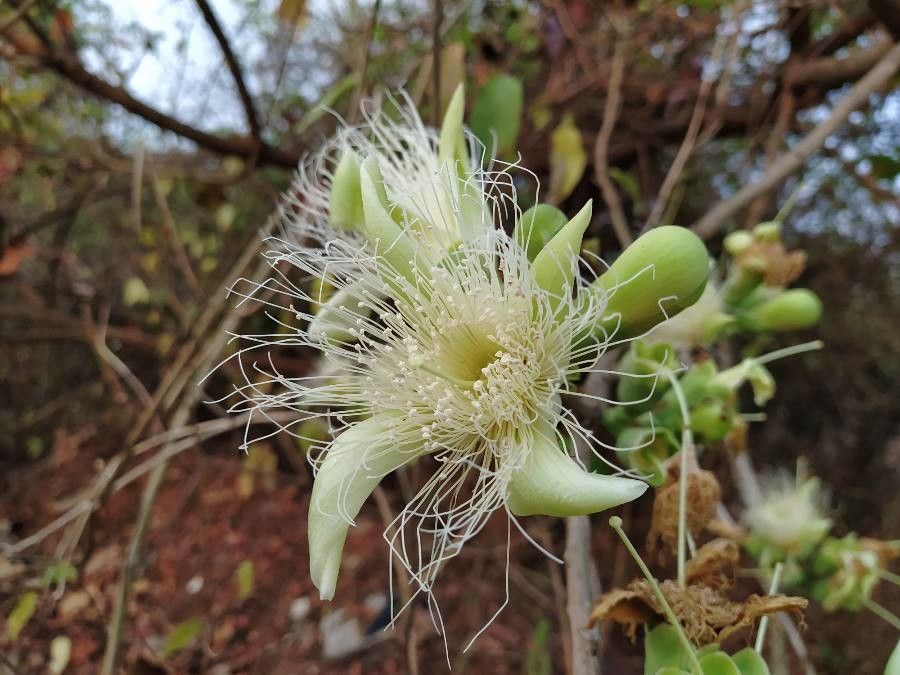
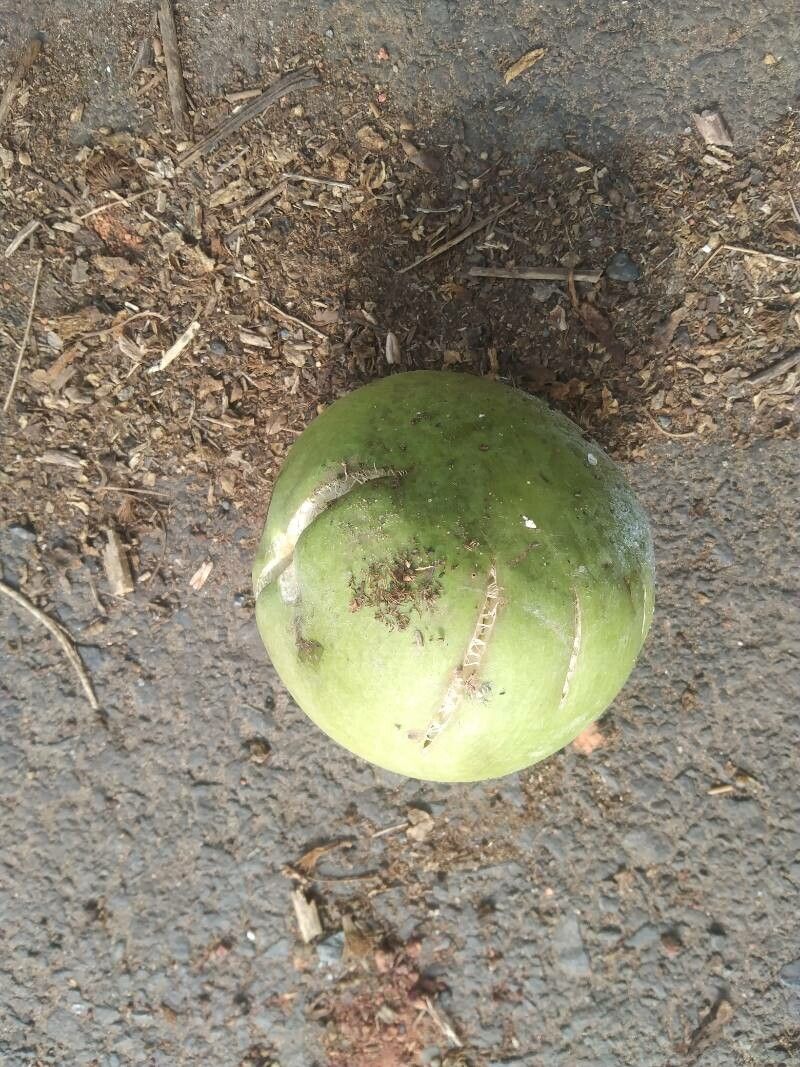
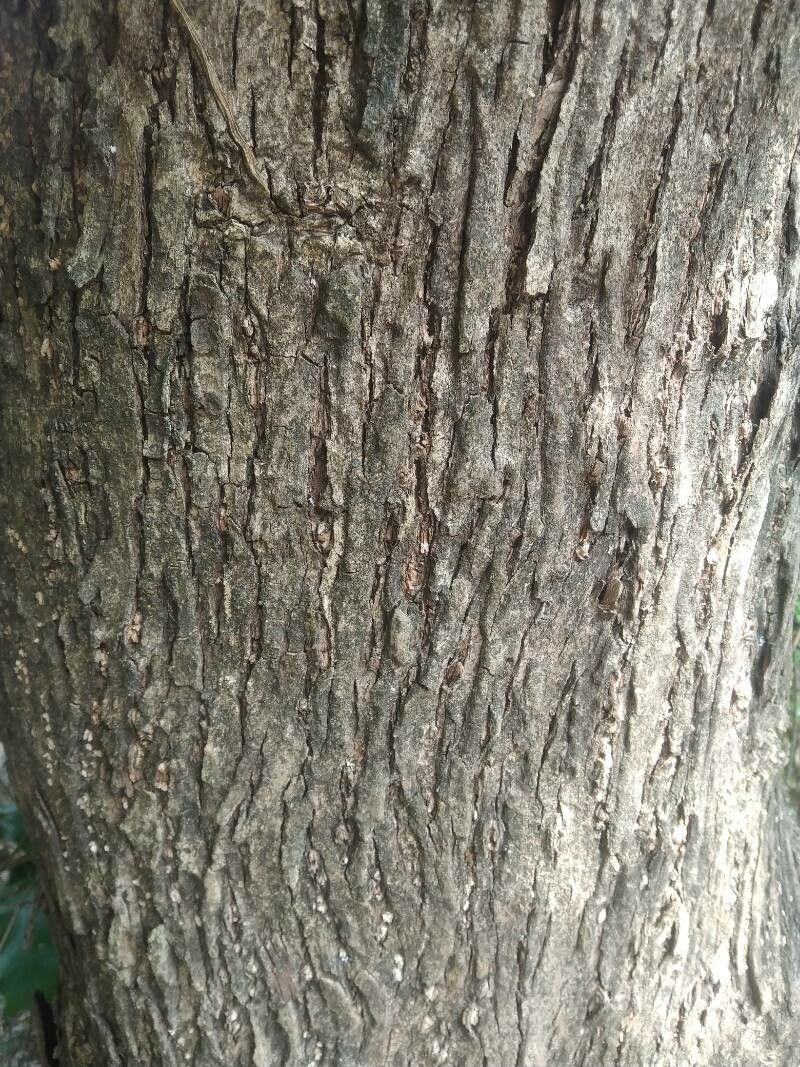
Careya arborea is a species of tree in the Lecythidaceae family, native to the Indian subcontinent, Afghanistan, and Indochina. Its common English names include wild guava, Ceylon oak, patana oak. Careya arborea is a deciduous tree that grows up to 15 metres (49 ft) high. Its leaves turn red in the cold season. Flowers are yellow or white in colour that become large green berries. The tree grows throughout India in forests and grasslands.
The Patana oak is resistant to disease and, overall, not likely to suffer from illnesses. With respect to care, this plant is fairly low-maintenance. When grown outdoors it needs only light watering, and larger specimens usually do not require pruning. Smaller specimens, however, should be pruned after they finish blooming. The Patana oak is suitable for anyone who has an outdoor area, such as a garden or deck, and does not demand extensive gardening experience.
How to keep Careya Arborea.
Light
The Patana oak is native to habitats like forest understories and rocky areas, where it grows in natural shade. It prefers partial sun but can tolerate full sun or full shade, illustrating its hardy and adaptable nature.
Temperature
Patana oak comes from tropical areas, where the climate is generally warm and humid. As a result, it is well-suited to high temperatures and humidity. It does not tolerate sudden temperature changes and prefers a steady thermal environment, so avoiding temperature swings indoors is important. It usually cannot withstand cold conditions and needs warmer temperatures to grow. If the surrounding temperature falls too low, the plant may stop growing or even die.
Fertilizer
Early spring, when a Patana oak breaks dormancy, is the best time to fertilize. This encourages overall growth and supports flower development. Fertilization benefits the foliage, stems, and branches and helps produce large, vivid, long-lasting flowers. It assists in moving nutrients from the roots to the flowers and enhances the plant's health and disease resistance.
Pruning
The Patana oak is a deciduous tree with a broad canopy. To maintain its health and appearance, prune it in early spring. Focus on removing any dead, diseased, or crossed branches to enhance its shape and air circulation, which encourages flowering and boosts vitality. Always use sharp, sanitized tools, and refer to trustworthy horticultural resources for detailed guidance.
Botanical profile.
- Plant Type
- Tree
- Life Cycle
- Perennial
- Genus
- Careya
- Family
- Lecythidaceae
- Hardiness Zone
- 10-11
- Mature Height
- 14.94 m
- Mature Spread
- 4.88 m to 7.92 m
- Leaf Color
- Green
- Leaf Type
- Deciduous
- Flower Color
- White, Cream
- Flower Size
- 0.51 cm to 1.02 cm
- Bloom Time
- Late spring, Early summer
- Planting Time
- Spring, Summer, Autumn
- Harvest Time
- Late summer, Early fall, Mid fall
- Native Area
- Nepal, Sri Lanka, India, Malaysia, Cambodia, Vietnam, Myanmar, Bangladesh, Laos, Thailand
Other names.
Reader questions.
What is the Patana oak?
The Patana oak, known botanically as Careya arborea, is a species of plant. Unfortunately, there isn't additional provided information on the essentials, symptoms, or other details related to the Patana oak. For more comprehensive details, it would be beneficial to consult a specific source or database dedicated to botany or plant species.