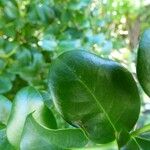
Carissa bispinosa
Hedgethorn · Forest Num-num · Fork-spined Carissa · Karoo Num-num
Description
Source: leafsnapCarissa bispinosa, commonly known as the Natal plum, is a species of flowering plant in the Apocynaceae family. Native to South Africa and Mozambique, it has also been introduced to other regions worldwide as an ornamental plant. The Natal plum is a small evergreen shrub that can grow up to 2 meters in height, featuring glossy green leaves and fragrant white flowers that bloom in the summer. Its fruit is edible and has a sweet taste reminiscent of cranberries or cherries. Indigenous people have used its fruit for medicinal purposes, treating ailments such as stomach problems, skin infections, and respiratory issues. For optimal growth, the Natal plum requires full sun exposure or partial shade and well-drained soil. It can be propagated through seeds or cuttings and benefits from regular pruning to maintain its shape and size. Overall, Carissa bispinosa is an attractive ornamental plant that enhances gardens with its beauty while also offering edible fruits with medicinal properties in some cultures.
Care Guide
💧 Water Every 7 days
Lowveld numnum flourishes in warm, humid environments and exhibits moderate drought tolerance, although it prefers consistent moisture. To maintain optimal soil conditions, water it weekly. Generally cultivated outdoors, this evergreen plant features leathery foliage, which enhances its resilience in various weather conditions.
☀️ Light Full sun
Lowveld numnum does best with strong sunlight, which lets it replicate its natural, brightly lit setting. It can tolerate situations with only limited sunlight, although this may restrict its growth. Excessive shade can prevent it from reaching optimal growth.
🌡️ Temperature 20–37.8°C
Lowveld numnum prefers temperatures between 68 to 100 °F (20 to 38 ℃). It flourishes in the high temperatures of its native climate. However, if temperatures dip or spike, adjusting indoor environmental conditions will be necessary for optimal growth.
💨 Humidity
🪴 Soil 6-7
🌱 Fertilizer
The Lowveld numnum plant needs adequate nutrients to achieve optimal fruit production. Fertilize in early spring to encourage new growth and bloom development. Regular feeding keeps the plant healthy, produces tastier fruit, and prevents nutrient-deficiency problems such as yellowing leaves and reduced fruit production.
🪴 Pot & Repot
✂️ Pruning
The Lowveld numnum benefits from winter pruning, which removes dead branches and helps control its size, thereby promoting robust growth. By thinning the plant regularly, you can improve air circulation and light penetration, which reduces the risk of disease. When pruning, cut just above the leaf nodes and avoid making too many cuts to minimize stress. This will result in a healthier and more attractive Lowveld numnum.
🌿 Propagating
🐛 Diseases & pets
☠️ Toxicity
Characteristics
- Plant Type
- Tree, Shrub
- Life Cycle
- Perennial
- Genus
- Carissa
- Family
- Apocynaceae
- Hardiness Zone
- 9-11
- Mature Height
- 4.88 m
- Mature Spread
- 1.52 m to 2.13 m
- Leaf Color
- Green
- Leaf Type
- Evergreen
- Flower Color
- White
- Flower Size
- 2.54 cm
- Bloom Time
- Mid spring, Late spring, Summer
- Planting Time
- Spring, Summer, Autumn
- Harvest Time
- Mid summer, Late summer, Fall, Early winter
- Native Area
- Malawi, Mozambique, Tanzania, Namibia, South Africa, Eswatini, Kenya, Uganda, Botswana, Zimbabwe