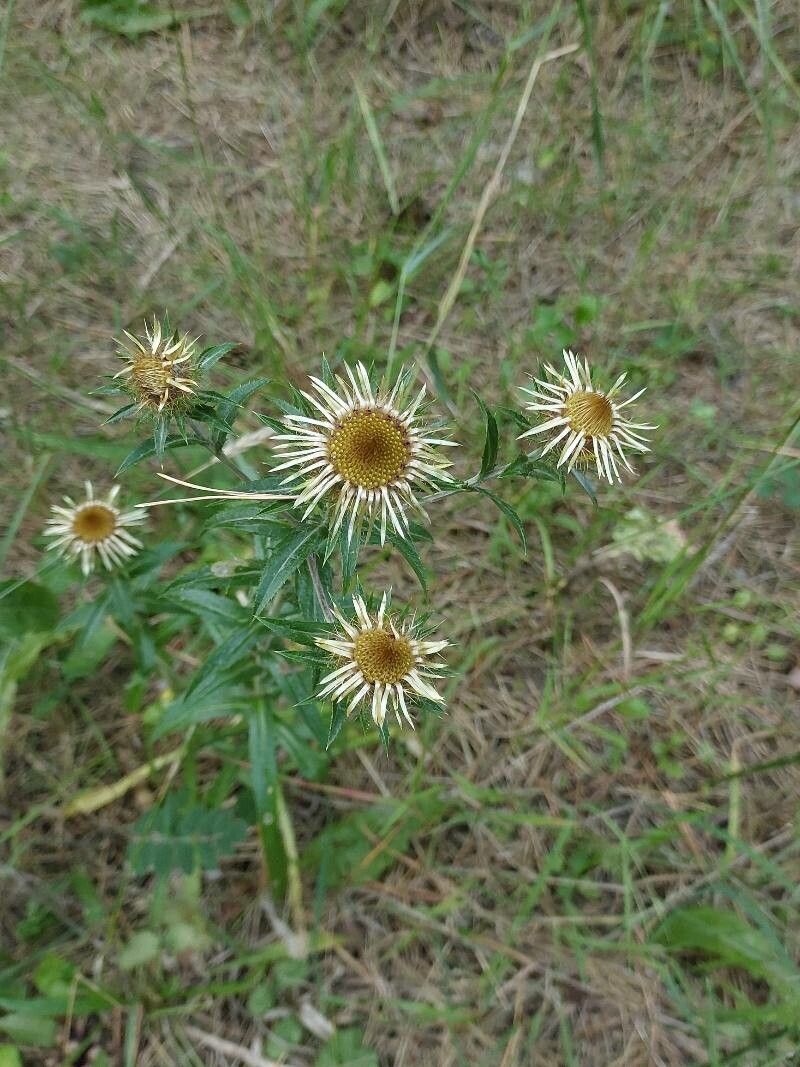
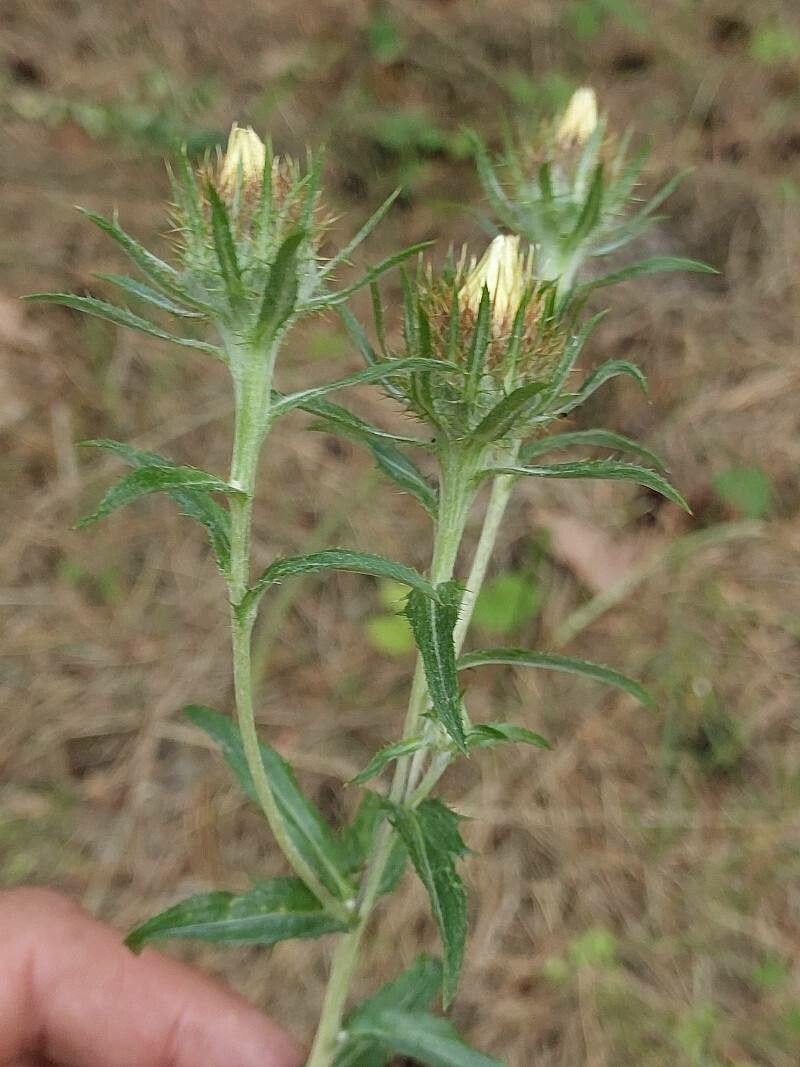
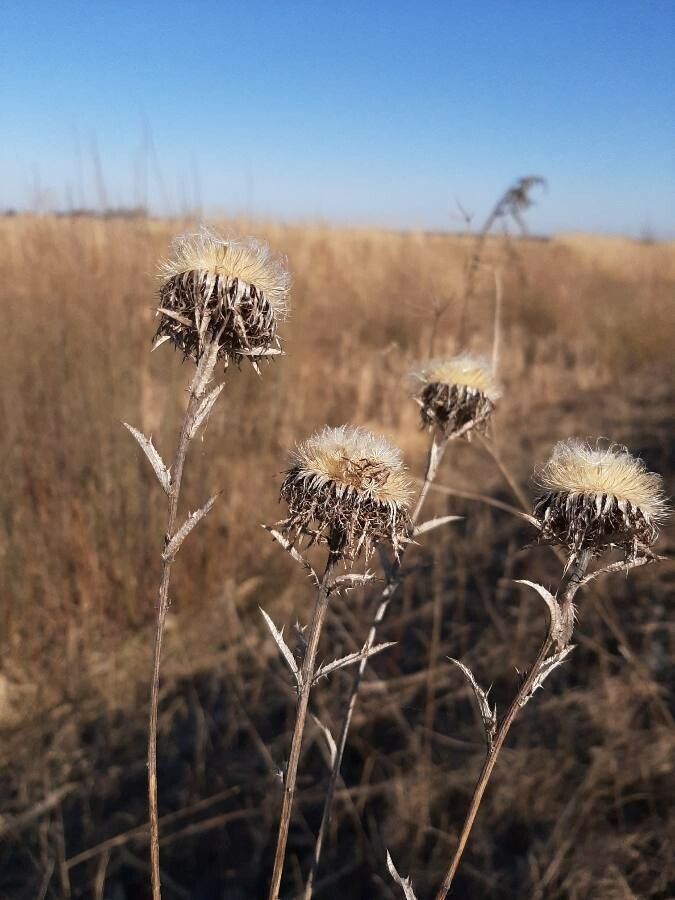
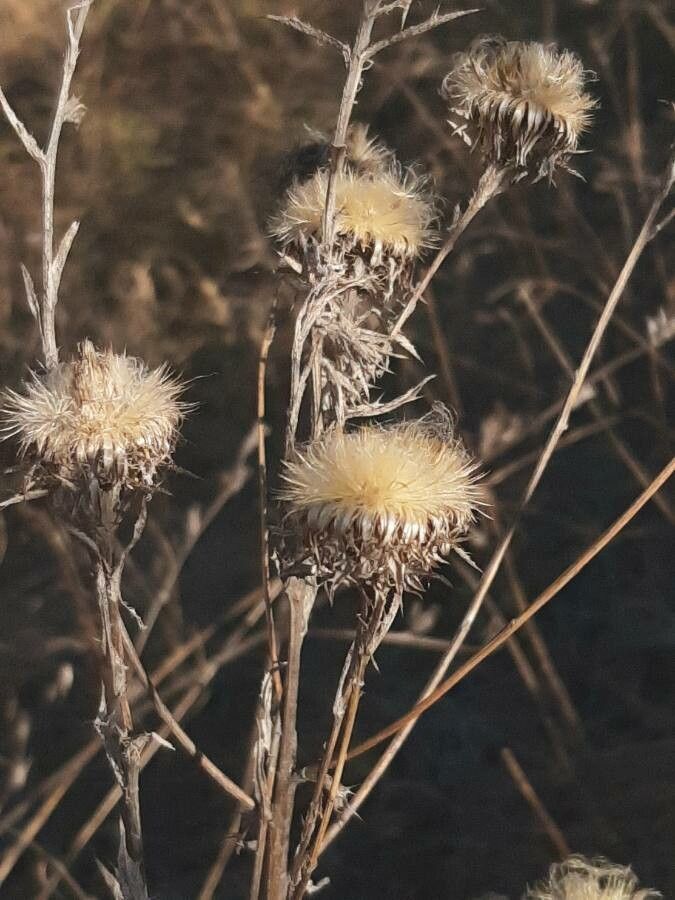
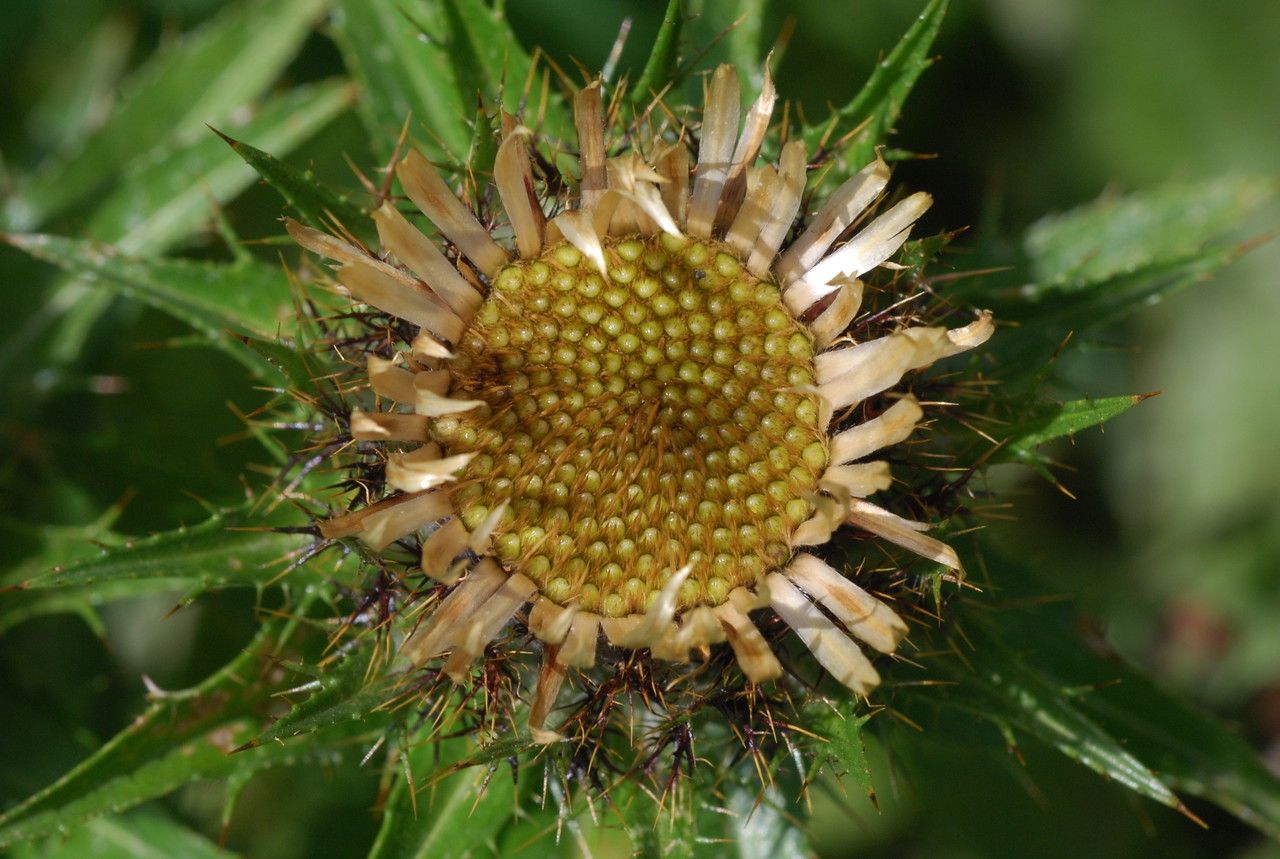
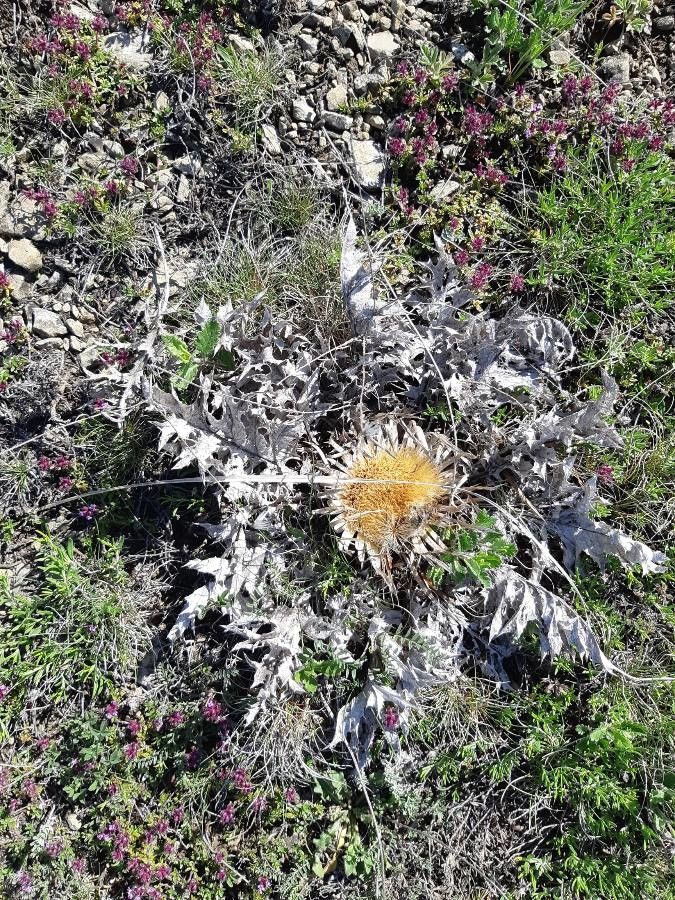
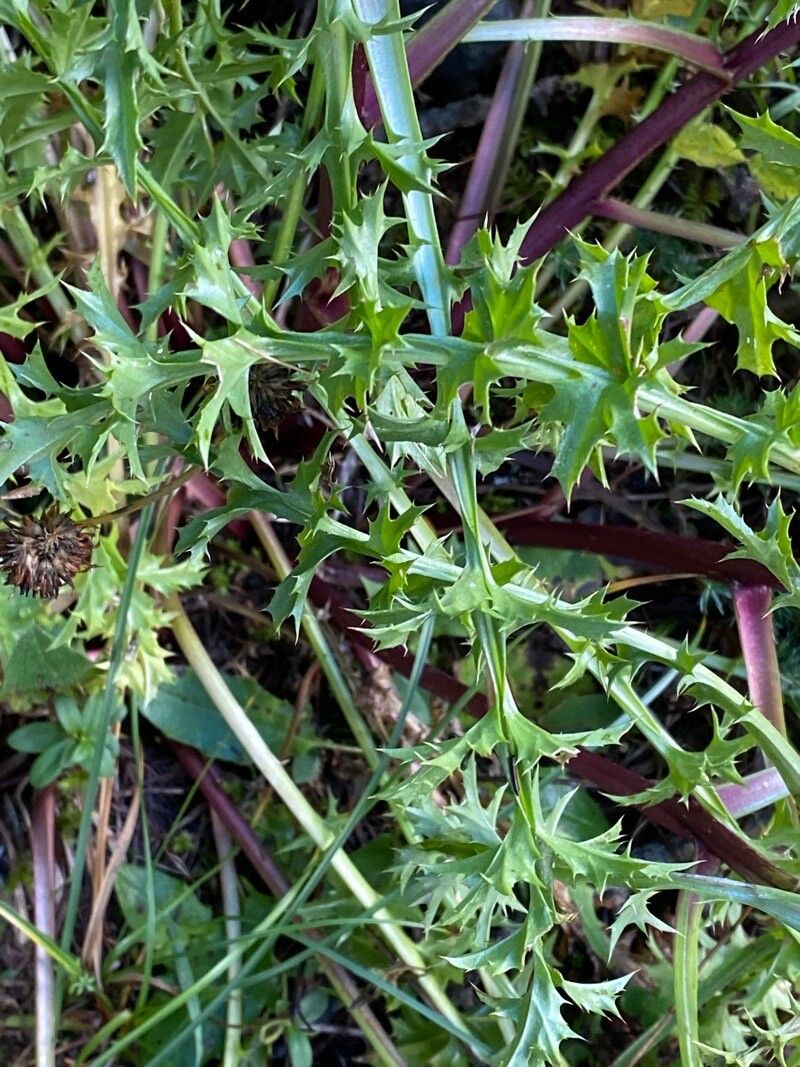
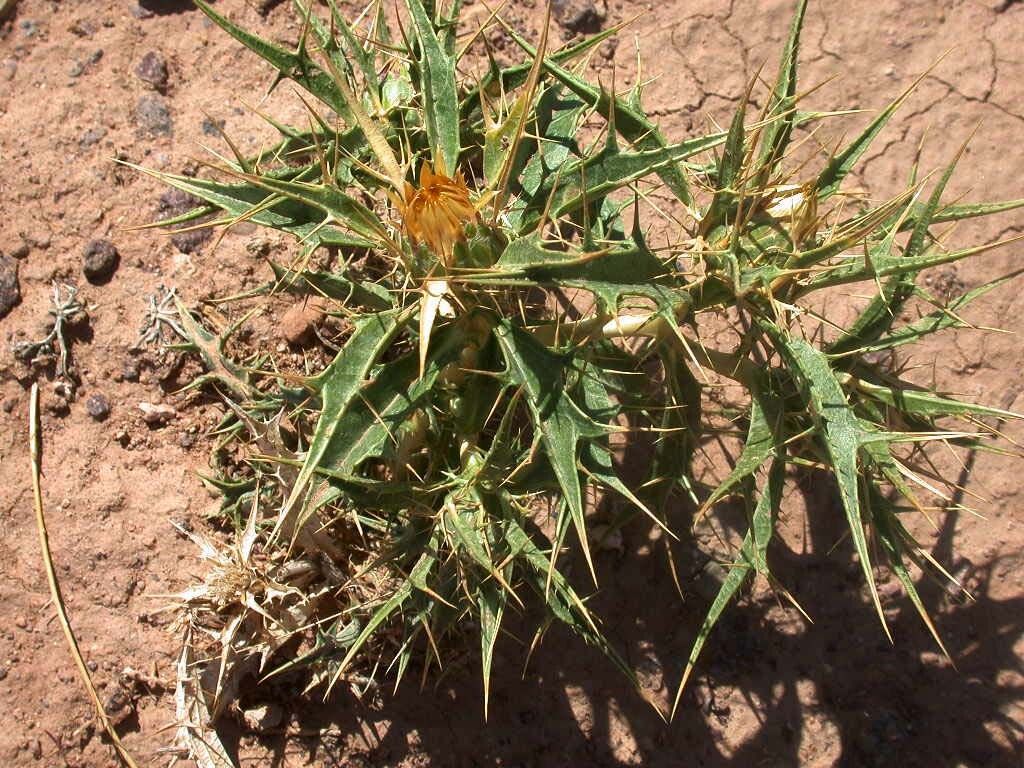
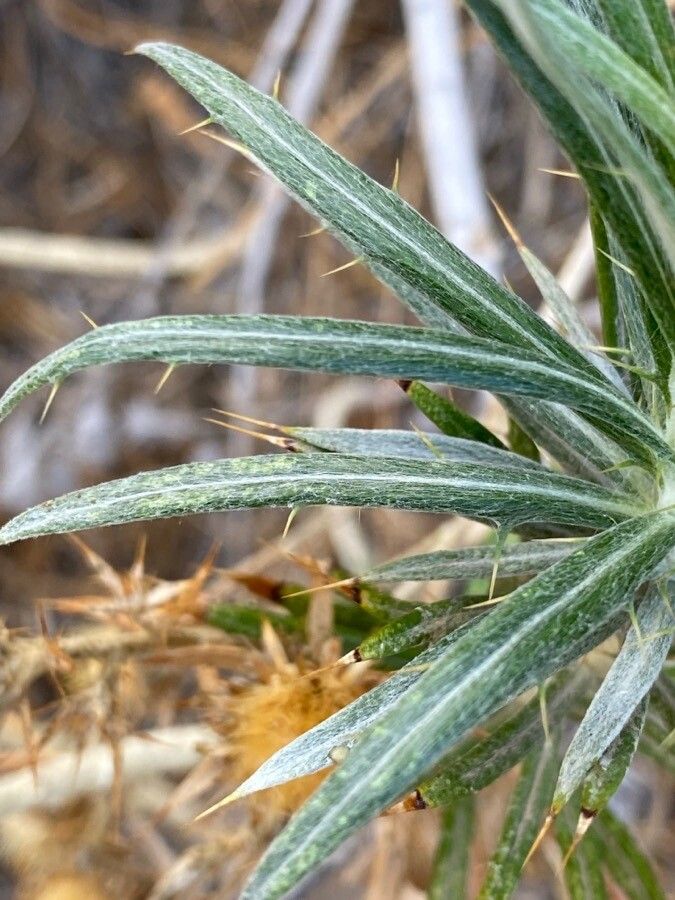
Carlina biebersteinii is a purple-flowered herb in the tribe Cardueae of the family Asteraceae. It is found in Europe, Russia, Kazakhstan and in the Xinjiang region of China. It grows in dry meadows and thickets.Carlina biebersteinii Bernh. ex Hornem., Suppl. Hort. Bot. Hafn. 94. 1819.Subspecies:
Carlina biebersteinii var. fennica Meusel & Kästner (synonym: Carlina fennica (Meusel & Kästner) Tzvelev)
Bieberstein's thistle is fairly resistant to disease and generally not prone to illnesses. Still, it can be affected by pests and diseases present in its environment. Such infections are typically mild. As for care, this plant needs a moderate level of maintenance. It should be pruned regularly to preserve its appearance and support healthy growth. Applying fertilizer can also encourage flowering. Bieberstein's thistle is well suited to anyone who has outdoor space, like a garden or patio, and it does not require extensive care experience. It may need more attention if kept indoors.
How to keep Carlina Biebersteinii.
Light
Bieberstein's thistle originates in bright, open areas and thrives in full sun. It can tolerate partial sun but prefers direct sunlight for optimal growth. This plant, which may be annual or biennial, is known for its sun-loving nature.
Water
Bieberstein's thistle thrives best in conditions similar to its native habitat, where rainfall is intermittent. While it has moderate drought tolerance and does well in dry environments, it's important to water it weekly to ensure it remains adequately moist without becoming waterlogged. Ideally grown outdoors, this plant benefits greatly from natural rain cycles during the growing season.
Temperature
Bieberstein's thistle can tolerate a wide range of temperatures, but its distribution may still be restricted by different combinations of moisture and heat. It performs best in warm summer climates with sufficient rainfall or watering. Extended periods of cloudy, rainy weather or sustained high temperatures can raise the chance of the thistle dying. In winter, appropriate protection from cold can increase the plant's survival rate.
Fertilizer
Bieberstein's thistle requires regular fertilization to encourage flowering but does not tolerate excessive amounts. It needs light applications of fertilizer given frequently throughout its life, particularly during the main period of active growth and while it is flowering. Continue feeding your Bieberstein's thistle until it stops blooming.
Pruning
Bieberstein's thistle, known for its spiky leaves and vibrant flowers, thrives when pruned in early spring. By removing dead stems, you encourage healthy growth and blooming, while also keeping its invasive qualities in check. This not only helps maintain balance in the garden but also reduces the risk of disease.
Botanical profile.
- Plant Type
- Herb
- Life Cycle
- Biennial
- Genus
- Carlina
- Family
- Asteraceae
- Hardiness Zone
- 4-8
- Mature Height
- 30 cm to 61 cm
- Mature Spread
- 20 cm to 40 cm
- Leaf Color
- Green, Dark Green
- Leaf Type
- Deciduous
- Flower Color
- Yellow
- Flower Size
- 5.08 cm to 7.62 cm
- Bloom Time
- Mid summer, Late summer
- Planting Time
- Spring, Summer
- Harvest Time
- Early fall, Mid fall
Reader questions.
What are the sun requirements for Bieberstein's thistle?
Bieberstein's thistle, botanically known as Carlina biebersteinii, thrives in varying sunlight conditions. For it to grow best, full sun exposure, which is defined as more than 6 hours of direct sunlight per day, is ideal. However, it can also tolerate partial sun conditions, meaning it can grow well with about 3-6 hours of sunlight daily. It's important to observe the way sunlight moves through your garden throughout the day. This observation will help you find the perfect spots that offer a harmonious balance of light and shade, ensuring your Bieberstein's thistle remains healthy and happy.