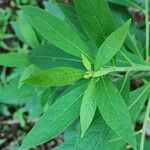
Carpesium abrotanoides
Common carpesium
Care Guide
💧 Water
☀️ Light Full sun
Pig's head thrives with plentiful sunlight for vigorous growth, but it is also capable of doing well in moderate light. Its native habitat offers similar light levels, which support its strong health. Excessive or insufficient sun exposure can hinder its development, causing poor growth.
What are the sun requirements for Pig's head?
Pig's head, scientifically known as Carpesium abrotanoides, thrives best in locations where it can receive full sun for above 6 hours or partial sun for about 3-6 hours of sunlight daily. The balance of light and shade in your garden is crucial for the optimal growth and health of your plants. Observing the movement of sunlight through your garden allows you to choose the best spots that ensure your plants' happiness by providing them with the ideal light conditions.
What are the essential growing conditions for Pig's head?
The essential growing conditions for Pig's head involve an abundance of sunlight for vibrant growth, although it can also adapt and flourish under moderate light conditions, mimicking its natural habitat. Both over-exposure and under-exposure to sunlight can negatively impact its growth, leading to less than optimal development. When natural sunlight is insufficient, especially during winter or in less sunny spaces, artificial lighting can play a crucial role. Indoor plants benefit greatly from adequate lighting, with recommendations including the use of LED lights which can be customized for specific plant needs. Depending on the plant's sunlight requirements, artificial light intensity should range between 10-50W/sq ft, with the light source placed 12-36 inches above the plant for a duration of 8-12 hours per day to mimic natural daylight hours.
What are the important symptoms of inadequate lighting for Pig's head?
When Pig's head does not receive sufficient light, several symptoms may manifest, including smaller new leaves, leggy or sparse growth, faster leaf drop, a halt in the production of new growth, lighter-colored new leaves, and conditions such as chlorosis, sunscald, leaf curling, wilting, and leaf scorching. These symptoms indicate either an overexposure or underexposure to sunlight, which can severely impact the plant's health. Chlorosis, for example, results from the breakdown of chlorophyll due to excessive sunlight, affecting the plant's photosynthetic ability, while sunscald and leaf scorching are direct damages caused by intense sunlight exposure.
How can I manage and improve light conditions for Pig's head indoors and outdoors?
To optimize light conditions for Pig's head indoors, gradually acclimate the plant to receive at least 6 hours of direct sunlight daily by moving it closer to a south-facing window or using artificial light, such as a desk or ceiling lamp, for at least 8 hours a day. For outdoor plants, it's crucial to gradually transition them to sunnier spots, avoiding sudden changes to prevent sunburn. If sunlight is blocked by physical obstructions like trees, consider pruning to allow more light through or transplanting smaller plants to a brighter location with ample sunlight and good drainage. Remember, parts of the plant that have already been damaged by insufficient sunlight might not recover, but new growth should be healthy with improved light exposure.
🌡️ Temperature 15–32.2°C
Pig's head is native to areas where the climate remains between 68 to 95 °F (20 to 35 ℃). This plant prefers that temperature range and may require adjustments in colder seasons to sustain its growth.
What is the ideal temperature range for growing Pig's head?
Pig's head, scientifically known as Carpesium abrotanoides, thrives in a temperature range between 68 to 95 °F (20 to 35 °C). This temperature range is essential for maintaining the growth of the plant. It exhibits strong cold resistance, making special frost protection measures usually unnecessary during winter. However, in regions where winter temperatures are expected to drop below -10°C, providing cold protection by covering the plant with soil or straw is important. Additionally, watering the plant abundantly before the first freeze in autumn to keep the soil moist is recommended. This preparation helps prevent drought and water scarcity for the plant during the colder months.
How does low temperature affect Pig's head and what are the solutions?
Pig's head is cold-tolerant and functions best when the temperature remains above 20°C. During winter, ensuring the temperature stays above 0°C is crucial to prevent potential damage. When temperatures fall below -10°C, although the plant may not show noticeable changes during the winter, there might be a decrease in sprouting or even a complete lack of sprouting during the spring. To address this issue, it's advised to remove any parts of the plant that have failed to sprout in the spring, as part of the plant's care regimen.
How does high temperature affect Pig's head and what are the solutions?
During the summer months, it's important to ensure that the temperature around a Pig's head plant does not exceed 35°C. If the temperature goes beyond 38°C, the plant's leaves may become lighter in color, prone to curling, suffer from sunburn, and in severe cases, the whole plant may wilt and dry out. To mitigate these issues, it's recommended to trim away sunburned and dried-up parts of the plant. Furthermore, moving the plant to a shaded location or using a shade cloth to protect it from the midday and afternoon sun can be beneficial. Ensuring the plant is watered in the morning and evening will help keep the soil moist and the plant healthy.
💨 Humidity
🪴 Soil 6-7
🌱 Fertilizer
One fertilizer application in spring is typically enough for Pig's head, although additional feedings can maximize growth. Feed every one to one and a half months. Fertilization improves the leaves' appearance and function, supporting an even color and healthy texture. It also encourages root development and nutrient uptake for the plant's long-term health.
🪴 Pot & Repot
✂️ Pruning
The Pig's Head plant flourishes due to its distinctive foliage and resilience. To maintain its health and encourage growth, prune it from early to late spring. This will help remove any damage and promote new growth. Keep its shape balanced by trimming any overgrowth, but be careful not to cut too much. Pruning during this period enhances the plant's health and vigor, improving air circulation and allowing more sunlight to reach it, which supports robust development.
🌿 Propagating
🐛 Diseases & pets
☠️ Toxicity
Characteristics
- Plant Type
- Herb
- Life Cycle
- Perennial, Biennial
- Genus
- Carpesium
- Family
- Asteraceae
- Hardiness Zone
- 8
- Mature Height
- 91 cm
- Mature Spread
- 20 cm to 49 cm
- Leaf Color
- Green, Dark Green
- Leaf Type
- Deciduous
- Flower Color
- Yellow
- Flower Size
- 1.02 cm
- Bloom Time
- Late summer, Early fall
- Planting Time
- Spring, Summer, Autumn
- Harvest Time
- Mid fall, Late fall
- Native Area
- Nepal, Turkey, India, Pakistan, Laos, Croatia, China, Serbia, Afghanistan, Hungary, Italy, Vietnam, Myanmar, Japan, Koppen, Bhutan, Iran, Albania, Azerbaijan, South Korea