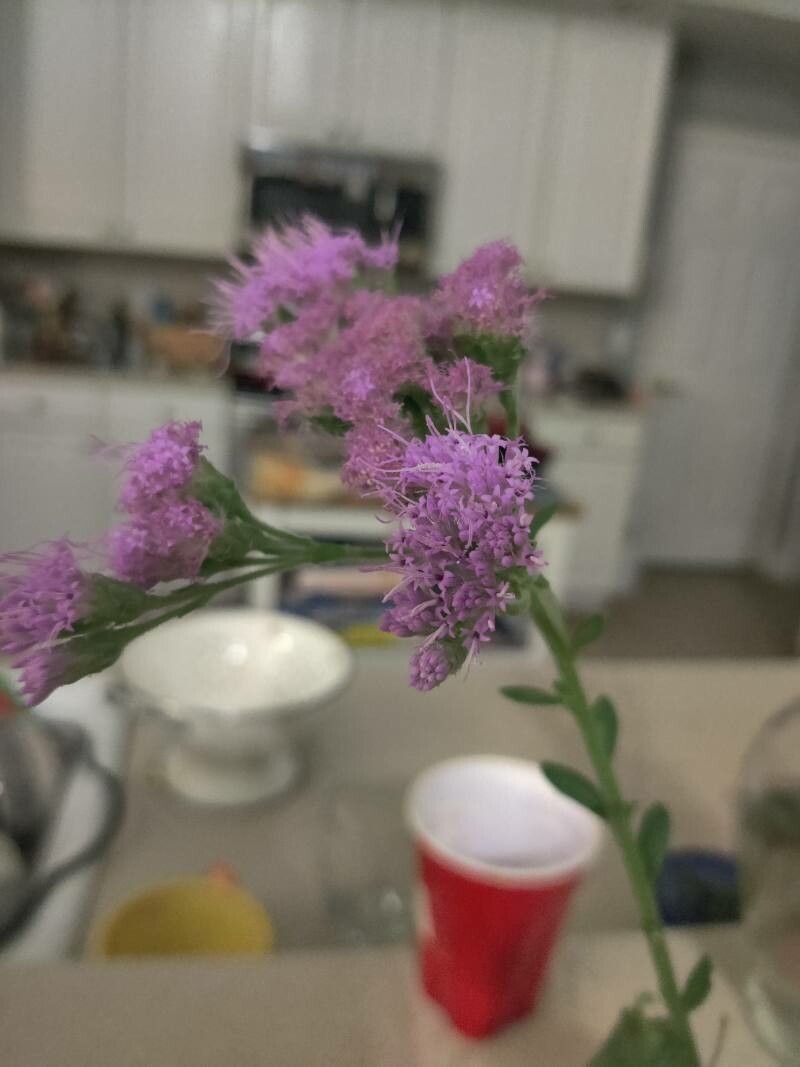
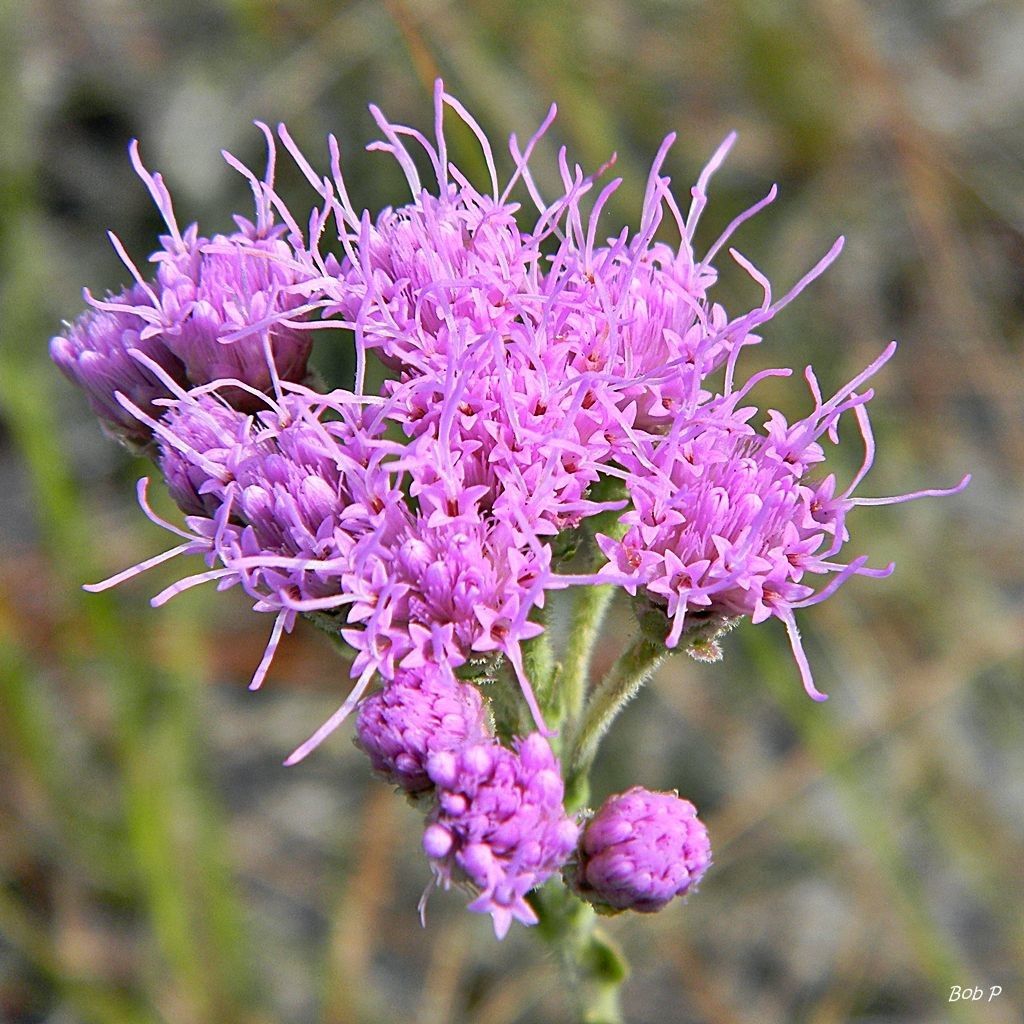
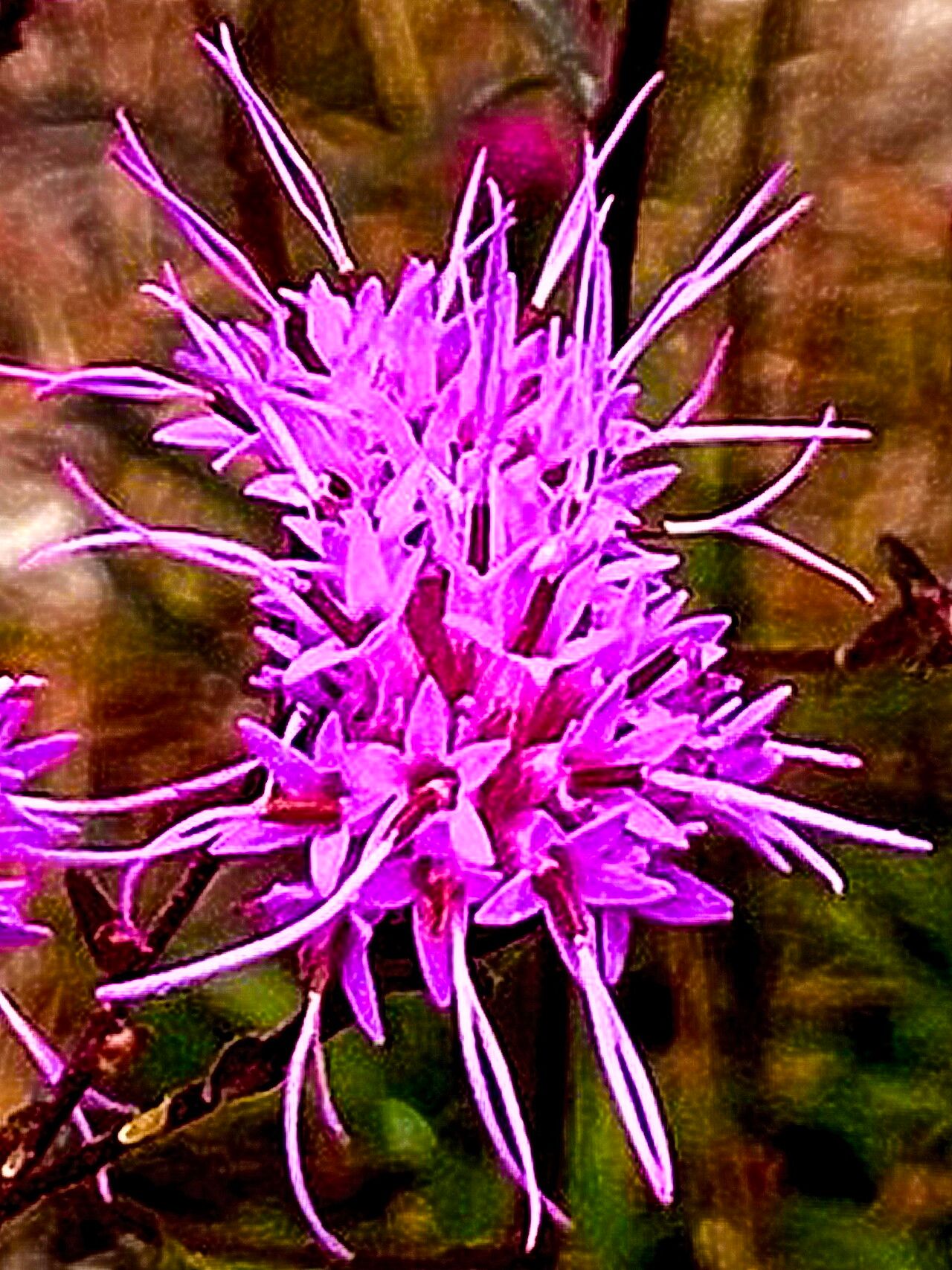
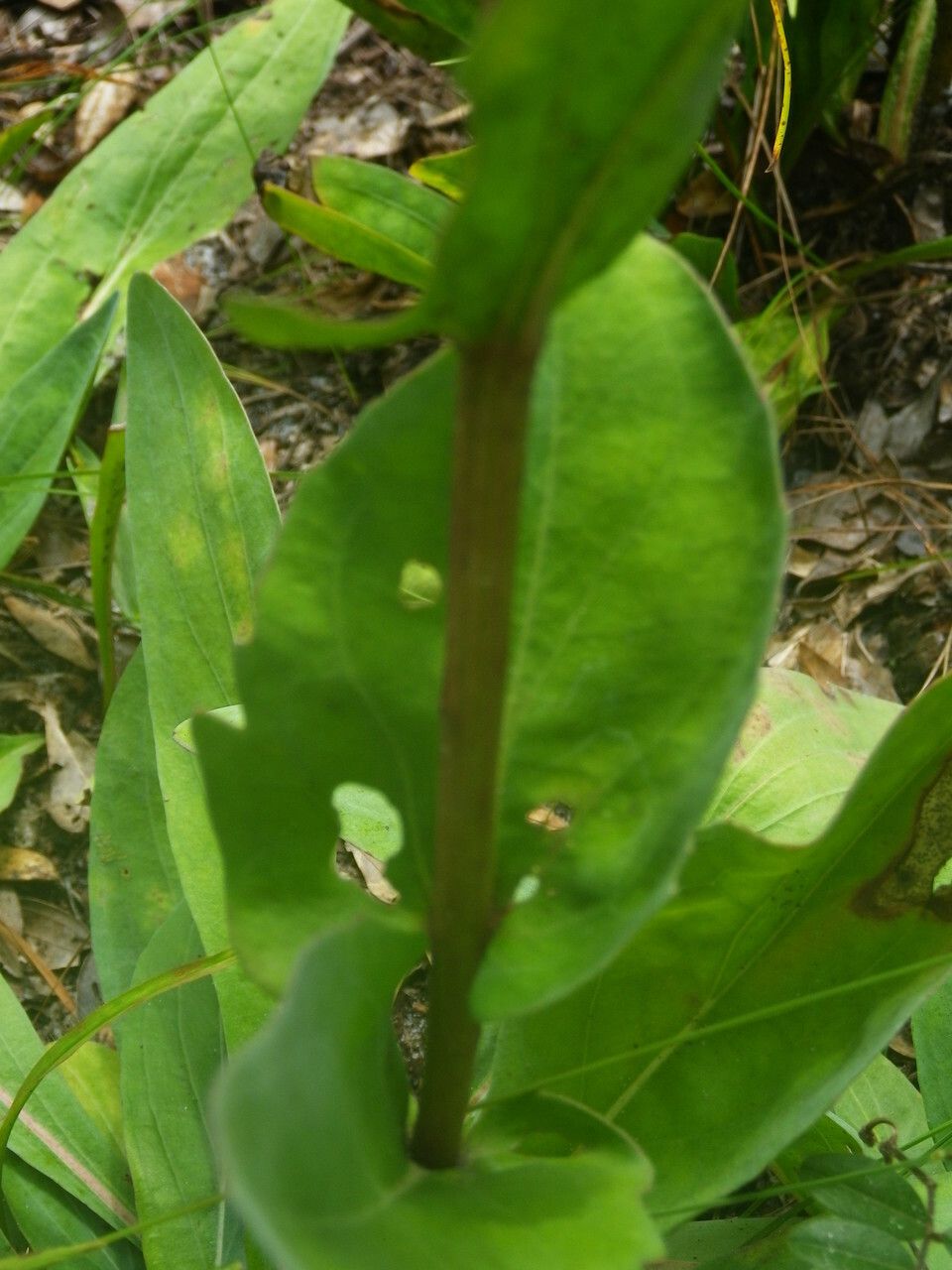
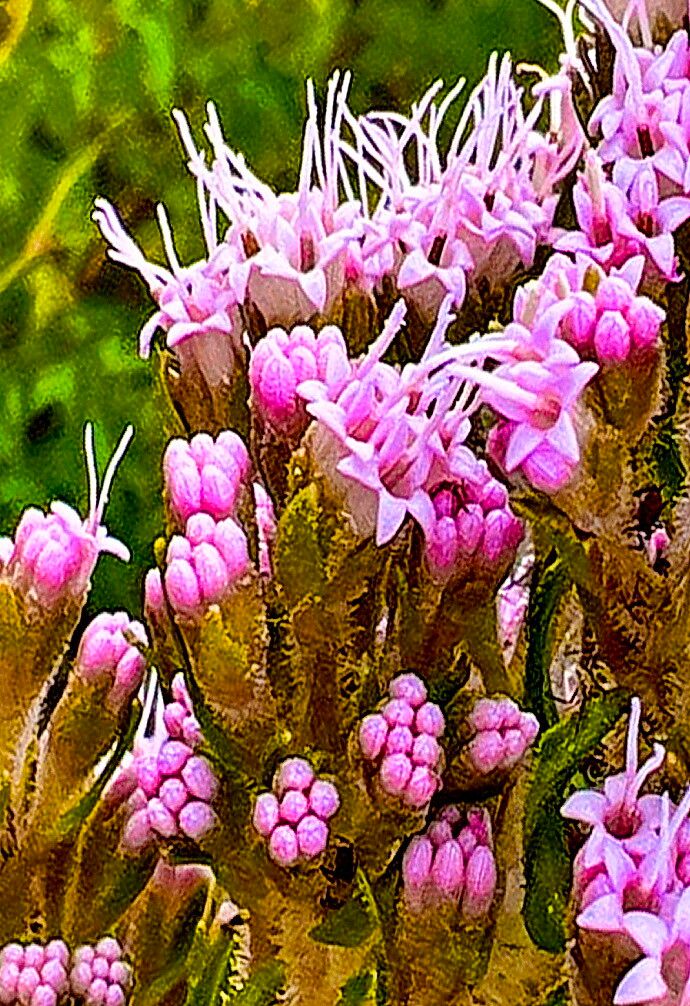
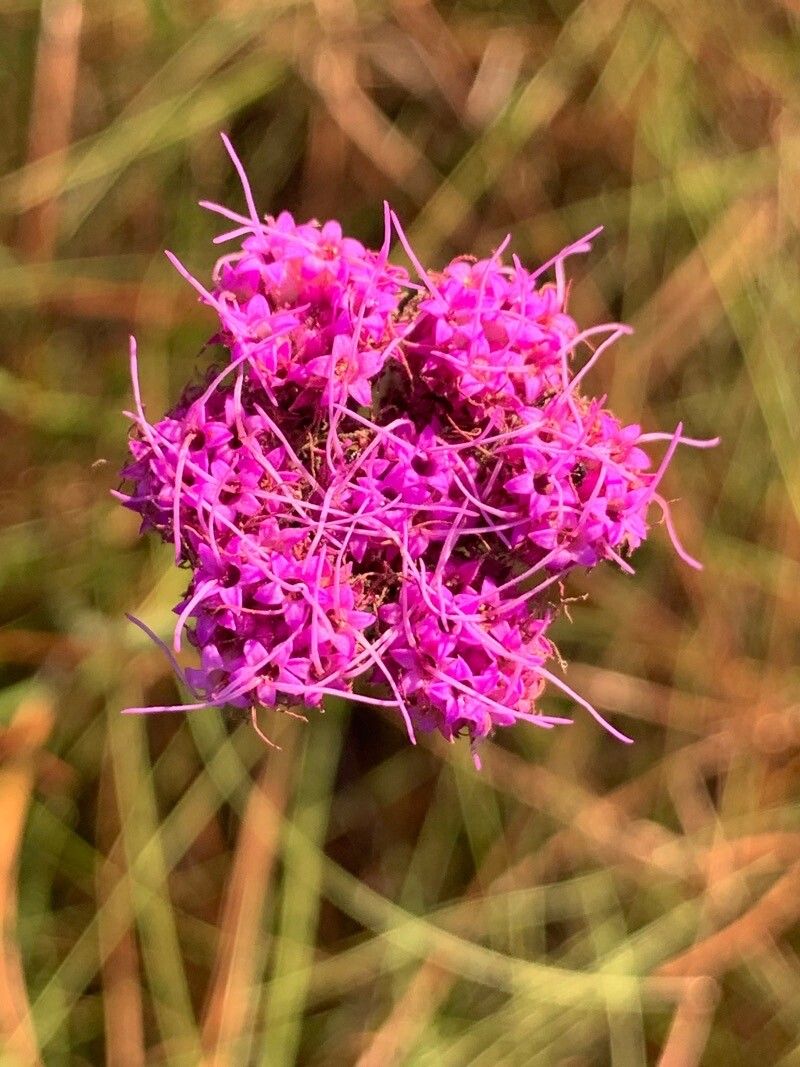
Carphephorus corymbosus, the Florida paintbrush or coastal plain chaffhead, is a species of North American plants in the family Asteraceae. They are native to the southeastern United States in the States of Florida, Georgia, and South Carolina.
Coastal plain chaffhead is fairly resistant to disease and is typically not prone to illnesses. However, it can be affected by pests and diseases present in its surroundings. These outbreaks are usually not severe. In terms of care, this plant requires moderate maintenance. It should be pruned regularly to maintain a neat appearance and healthy growth. Fertilizing can also help encourage flowering. Coastal plain chaffhead is suitable for anyone with outdoor space, such as a garden or patio, and does not need extensive gardening experience. It may demand more attention when grown indoors.
How to keep Carphephorus Corymbosus.
Light
Coastal plain chaffhead thrives when exposed to large amounts of sunlight. Across its various growth stages it consistently needs an environment with ample light. Its natural habitat is open, sunny areas, which reflects its strong sunlight requirements. Insufficient light can impede its healthy growth, whereas an abundance of light does not harm the plant.
Water
The Coastal Plain Chaffhead flourishes in moist habitats and needs consistent watering to thrive. Watering it weekly helps replicate its natural environment. As an outdoor plant native to coastal plains, it benefits from rainwater and experiences a strong growing season when it receives adequate hydration.
Temperature
Coastal plain chaffhead is native to temperate regions where the average temperature ranges from 68°F (20℃) to 95°F (35℃). The plant favors mild to warm conditions, and adjustments may be necessary when temperatures deviate significantly from its preferred range.
Fertilizer
For Coastal plain chaffhead, the primary time to apply fertilizer is in early spring while the flowers are developing. The appropriate fertilizer promotes better blooms and helps Coastal plain chaffhead produce attractive flowers. Fertilizing in early spring ensures strong flowering during the season and supplies energy for dormant growth phases.
Pruning
Coastal plain chaffhead benefits from pruning between early and late spring. Remove dead stems to encourage vibrant blooms. Regular deadheading extends the flowering period, while pruning helps maintain shape, prevent disease, and enhance plant vigor. Be sure to clean your tools to prevent infection, and avoid pruning during extreme weather conditions to protect the plant's growth.
Botanical profile.
- Plant Type
- Herb
- Life Cycle
- Perennial, Biennial
- Genus
- Carphephorus
- Family
- Asteraceae
- Hardiness Zone
- 8-10
- Mature Height
- 30 cm to 91 cm
- Mature Spread
- 15 cm to 20 cm
- Leaf Color
- Green, Blue
- Leaf Type
- Semi-evergreen
- Flower Color
- Lavender, Purple
- Flower Size
- 7.62 cm to 10.16 cm
- Bloom Time
- Late summer, Early fall, Mid fall
- Planting Time
- Spring, Summer
- Harvest Time
- Fall
Other names.
Reader questions.
What are the sunlight requirements for Coastal plain chaffhead?
Coastal plain chaffhead requires above 6 hours of sunlight daily to flourish effectively. It's crucial to give this plant plenty of light throughout its different growth stages, as it naturally thrives in open, sunny areas. Inadequate sunlight can impede its growth, whereas a generous amount of light exposure poses no harm. Observing the movement of sunlight through your garden can help you find the ideal balance of light and shade for your plants, contributing to their overall well-being.
What is the native environment of the Coastal plain chaffhead?
The Coastal plain chaffhead is native to temperate environments and thrives in conditions where the average temperature ranges from 68°F (20°C) to 95°F (35°C). This plant is well-suited for mild to warm conditions and can tolerate some degree of cold, but requires protection when temperatures drop below 0°C. It's important to adjust care practices when temperatures significantly deviate from this plant's preferred range.
How can artificial lighting benefit indoor Coastal plain chaffhead plants?
Artificial lighting is essential for the growth of indoor Coastal plain chaffhead plants, especially when natural sunlight is scarce, like in winter or in less sunny spaces. The use of artificial lighting, such as LED lights, can significantly promote faster, healthier growth by providing the specific wavelengths of light needed by the plants. For full sun plants like the Coastal plain chaffhead, 30-50W/sq ft of artificial light is recommended. The correct positioning of the light source should be 12-36 inches above the plant, and it should mimic the plant species’ natural daylight hours, usually requiring 8-12 hours of light per day.
How does Coastal plain chaffhead respond to low temperatures?
Coastal plain chaffhead has a moderate tolerance to low temperatures, performing best when the temperature remains above 20°C. It should be kept above 0°C during winter to avoid damage. If temperatures fall below -10°C, the plant's leaves may start to droop, with a possibility of recovery in mild cases. However, severe cold can cause the leaves to wilt and eventually fall off. To protect against frost damage, it's advised to trim frost-damaged parts and use non-woven fabric or cloth wraps, along with a wind barrier, for subsequent cold spells.
What are the symptoms of insufficient light for Coastal plain chaffhead?
When Coastal plain chaffhead is exposed to inadequate lighting, it may exhibit several symptoms indicating light deficiency. These include smaller new leaves compared to mature ones, leggy or sparse growth leading to a stretched appearance, faster leaf drop to conserve resources, slower or halted growth as the plant enters survival mode, lighter-colored new leaves due to lack of chlorophyll, and symptoms of overexposure such as chlorosis, sunscald, leaf curling, wilting, and leaf scorching. These symptoms help identify when the plant is not receiving the optimal amount of light for its health and growth.
What should be done if Coastal plain chaffhead experiences high temperatures?
In the summer, it's crucial to ensure that the Coastal plain chaffhead's environment does not exceed 35°C. Temperatures above 41°C can stress the plant, causing lighter leaf colors, dry and withered leaf tips, curling leaves, and increased susceptibility to sunburn. To mitigate damage, trim away sunburned and dried parts. To protect the plant, move it to a shaded location during intense midday and afternoon sun, use shade cloth for additional protection, and water it in the morning and evening to maintain soil moisture.
How can you address lighting issues for Coastal plain chaffhead?
To address lighting issues for Coastal plain chaffhead, both indoor and outdoor approaches can be employed. For indoor plants, gradually move them to sunnier locations each week to achieve at least 6 hours of direct sunlight daily. Utilizing a south-facing window or artificial grow lights can also enhance light exposure. For outdoor plants, it's important to adjust their location gradually to prevent sunburn, aiming for the optimum spot for sunlight. Reducing obstructions, such as by pruning obtrusive tree branches or transplanting smaller plants to sunnier areas, can greatly improve light availability. It's important to note that while parts of the plant affected by insufficient sunlight may not recover, new growth should be healthy with increased light exposure.
What is the botanical name of Coastal plain chaffhead?
The botanical name of Coastal plain chaffhead is Carphephorus corymbosus. This nomenclature helps in accurately identifying the plant and differentiating it from similar species.