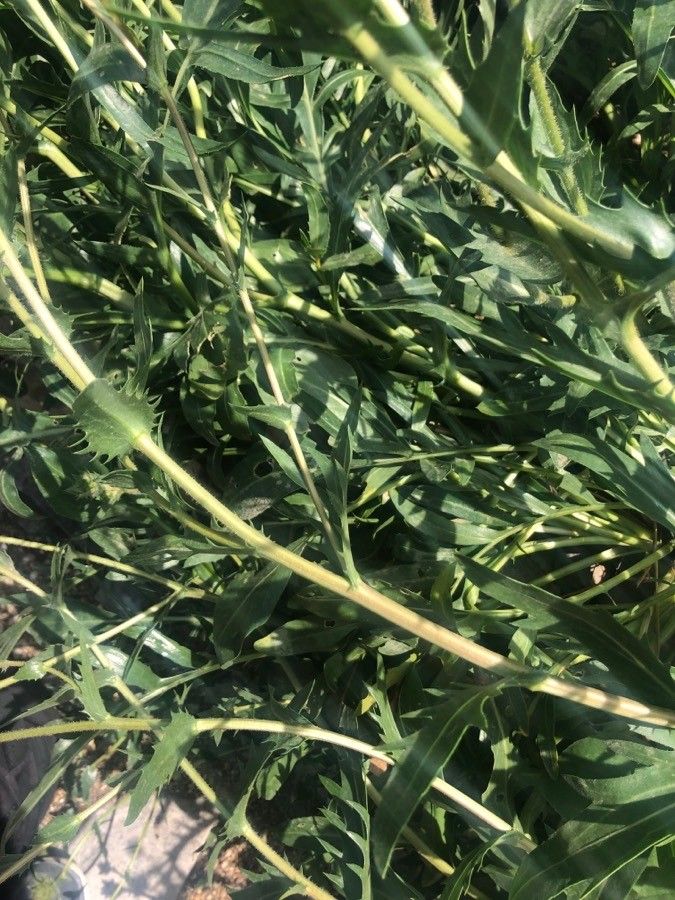
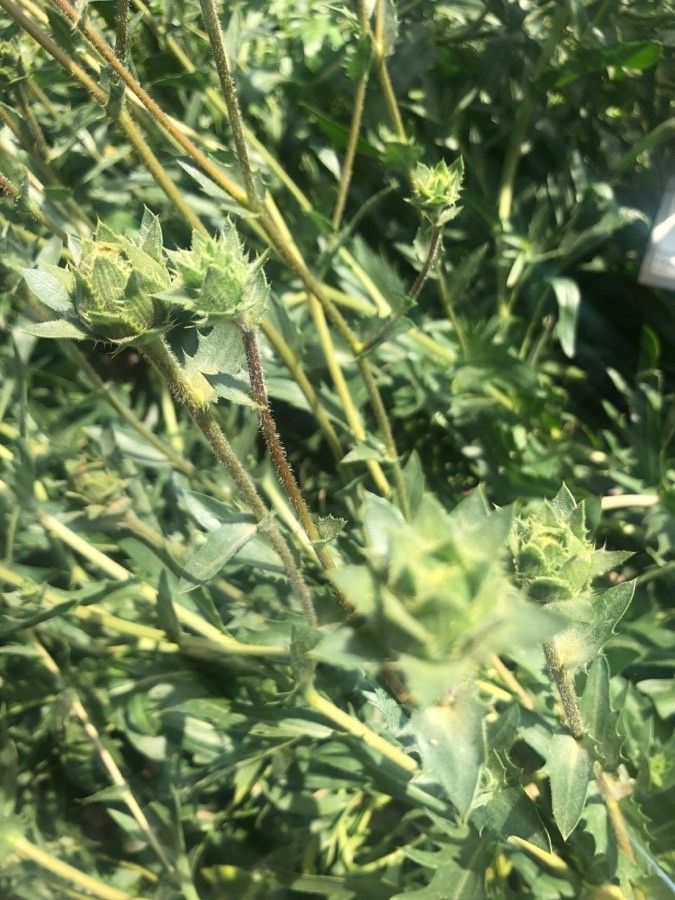
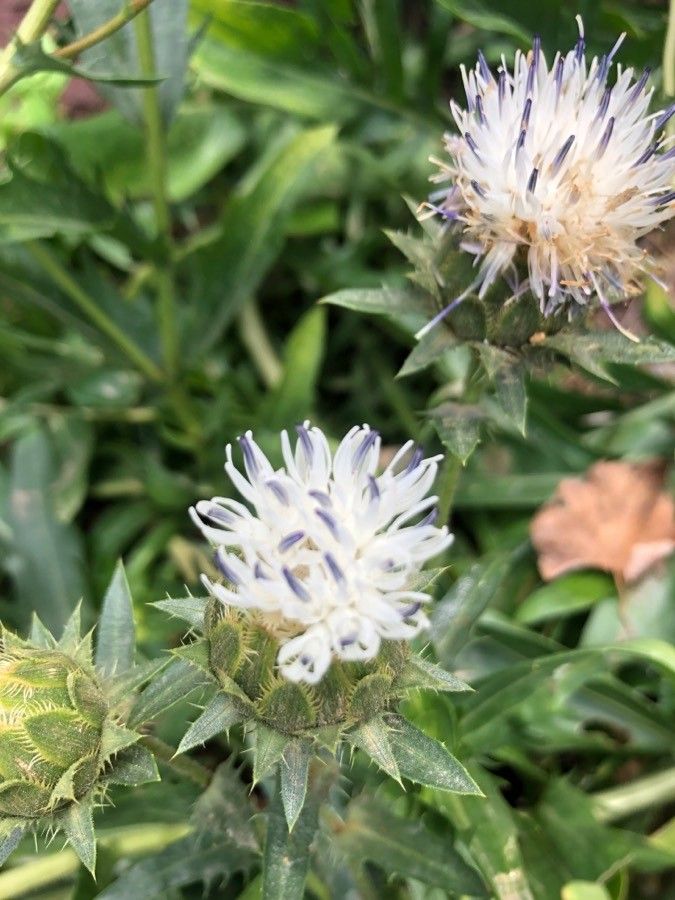
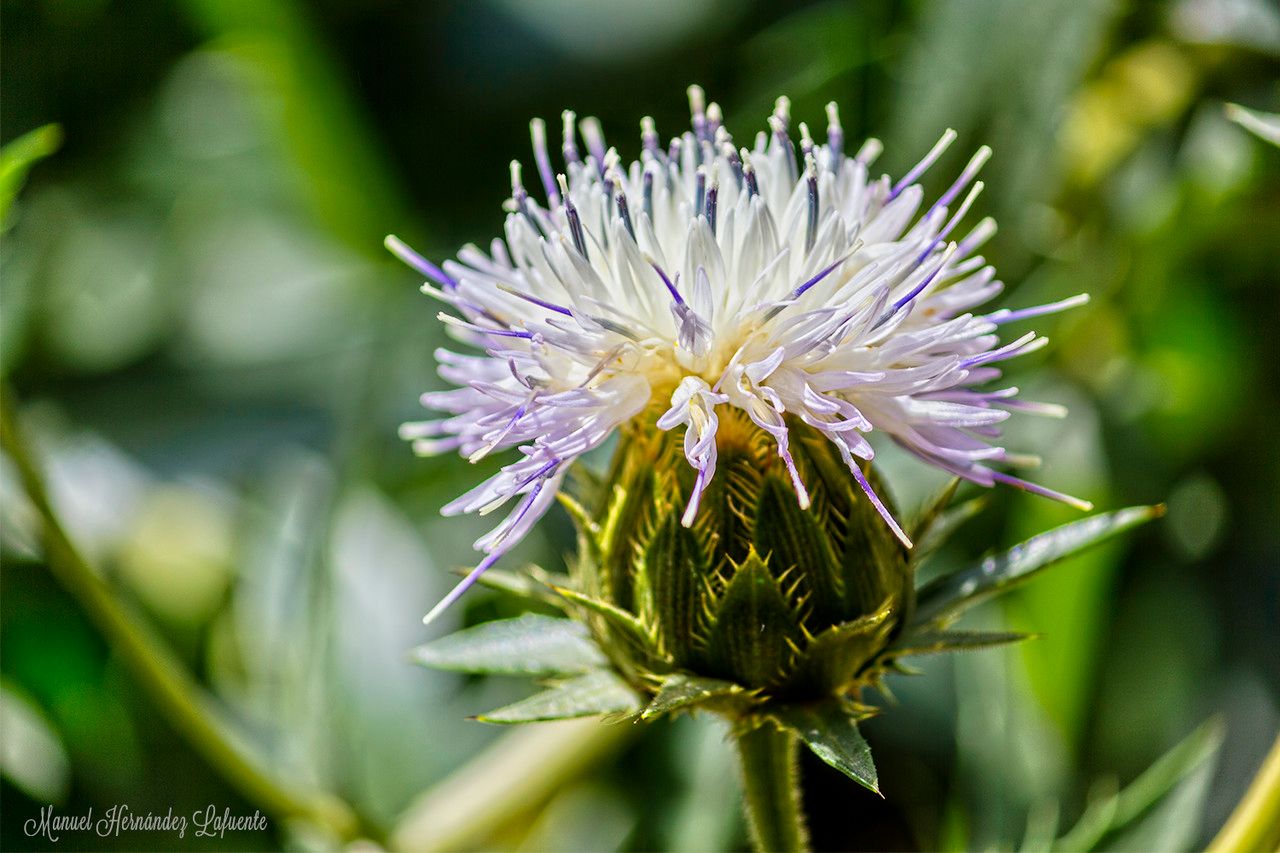
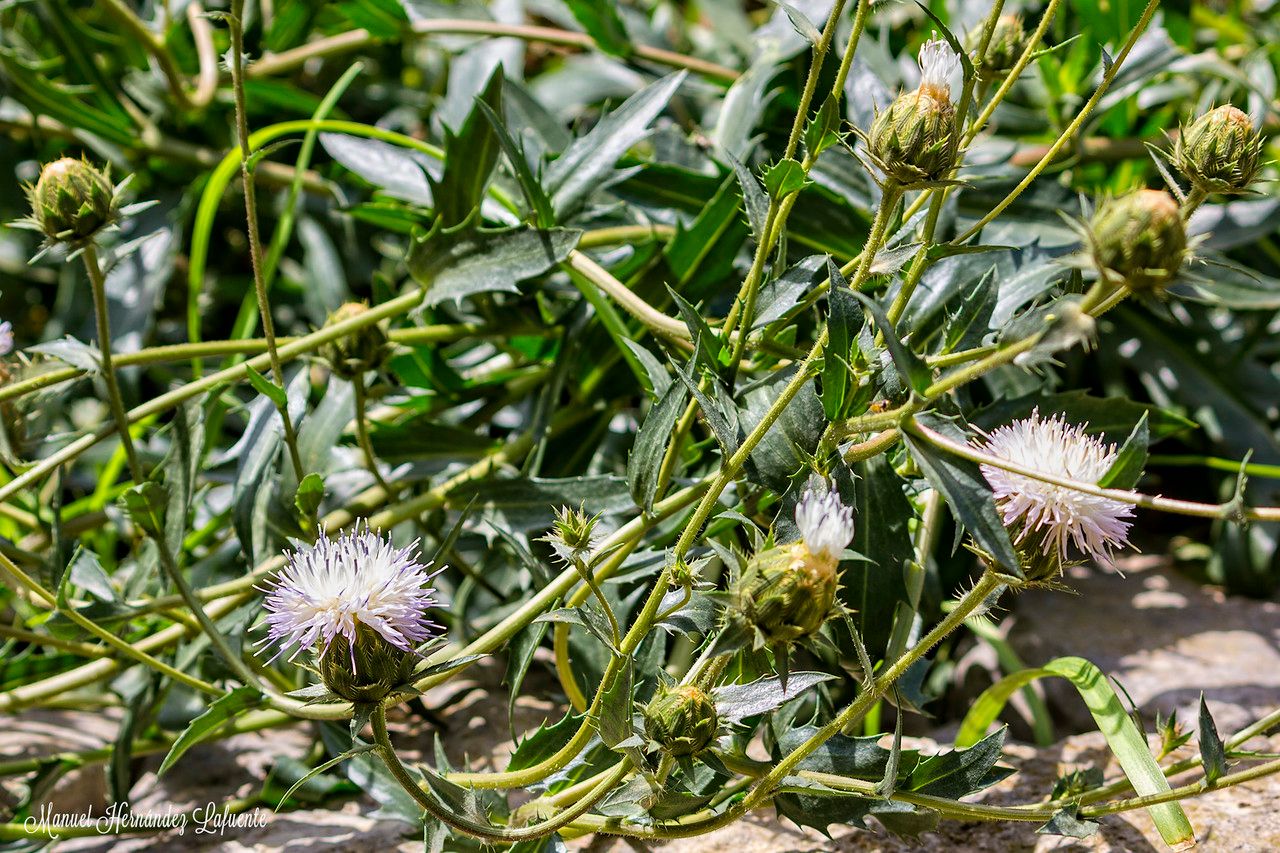
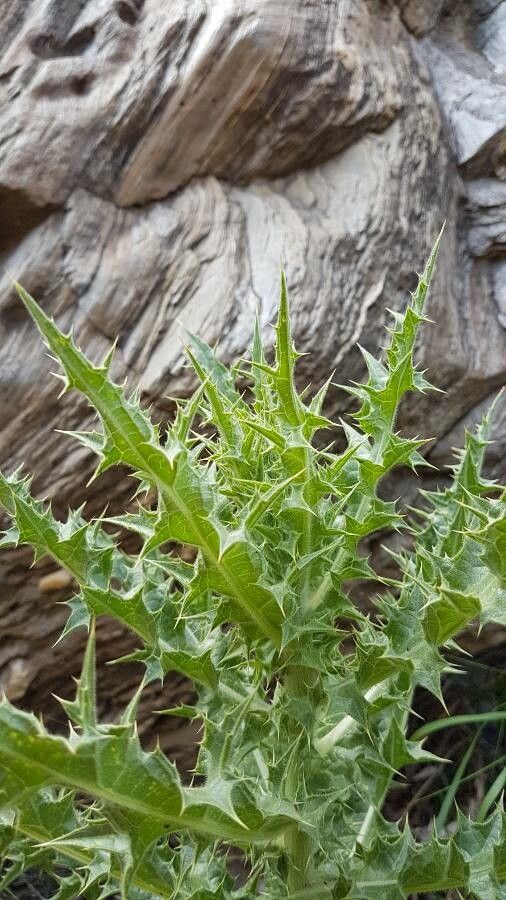
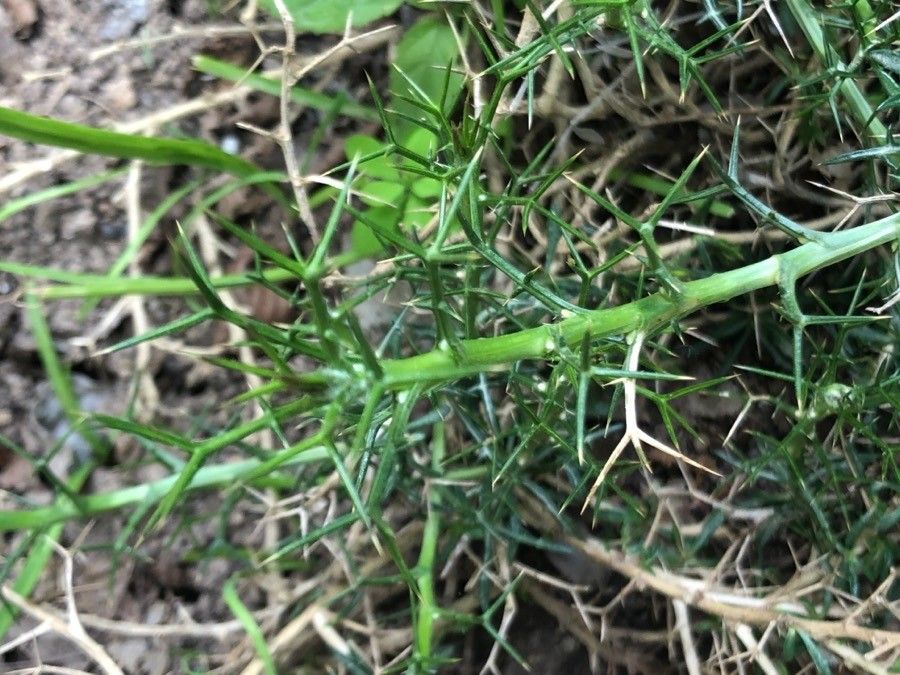
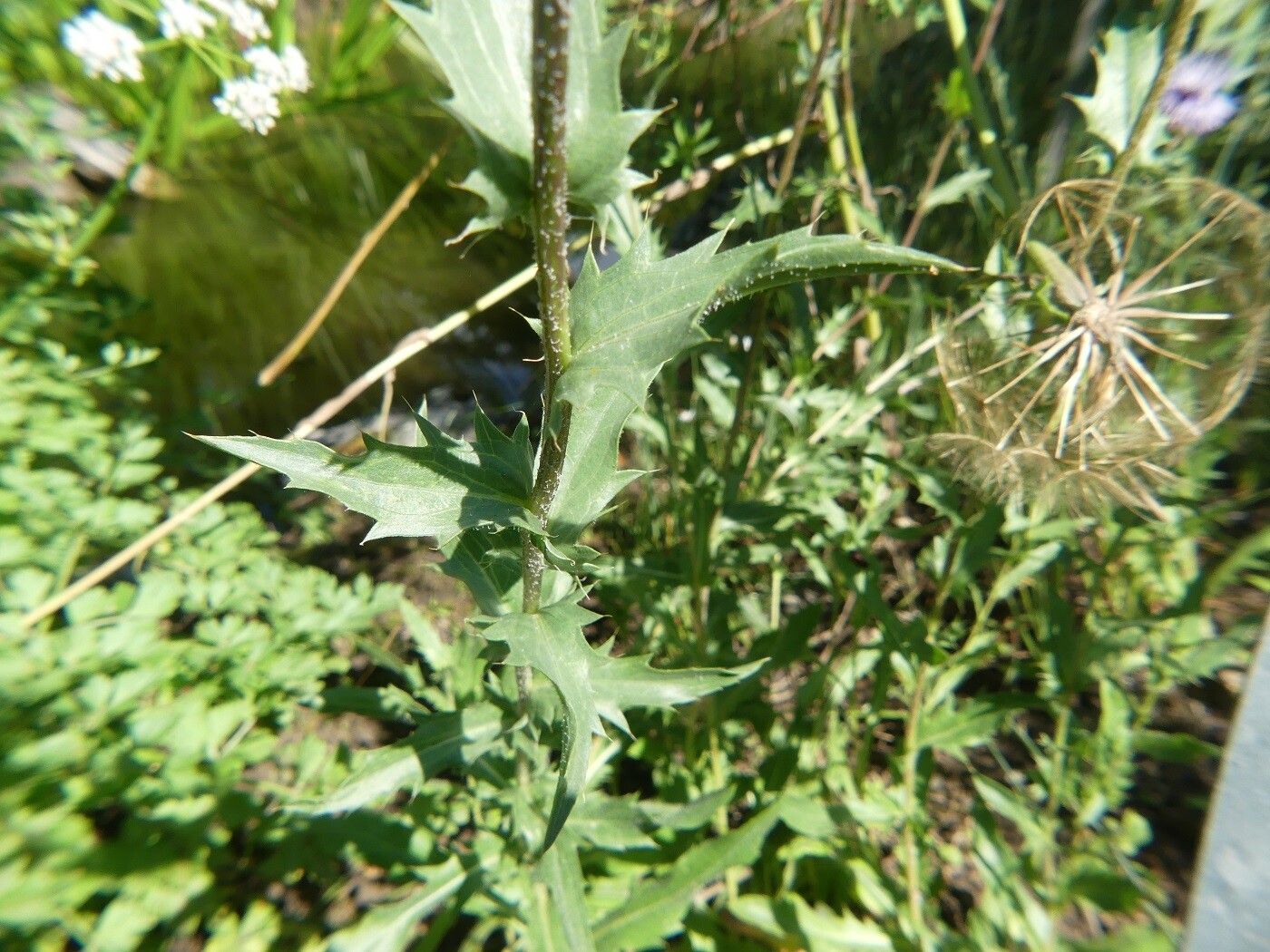
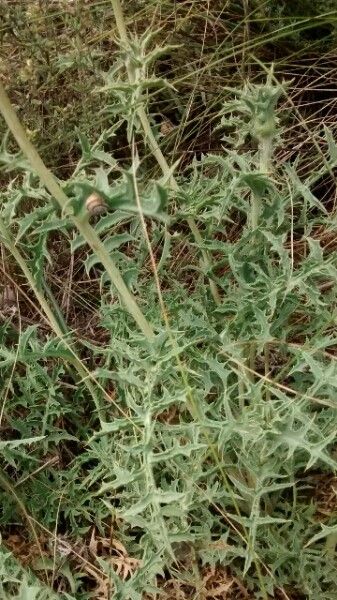
Blue thistle is fairly resistant to disease and typically not highly disease-prone. Still, it can be affected by pests and diseases present in its environment. Such infections are generally mild. Care-wise, the plant needs a moderate level of upkeep. It should be pruned regularly to preserve an attractive appearance and support healthy growth. Applying fertilizer can also aid in encouraging flowering. Blue thistle is appropriate for anyone with an outdoor area, like a garden or patio, and does not demand extensive care experience. It may require additional attention when kept indoors.
How to keep Carthamus Dianius.
Light
The blue thistle is a perennial herb which loves the sun and is native to open environments, typically flourishing in meadows and grasslands. While it prefers full sunlight, it can also withstand conditions of partial sun.
Temperature
Blue thistle possesses the capacity to acclimate to varying temperature conditions, although its spreading may be confined by diverse mixtures of heat and water conditions. It flourishes ideally in hot climates with sufficient rainfall or hydration during the summertime. Extensive durations of overcast and rainy conditions, as well as extended high temperatures, could heighten the chance of Blue thistle perishing. During the winter, taking appropriate precautions against the cold could enhance the survival prospects of the plant.
Fertilizer
The optimal period to fertilize Blue thistle is in the early spring, during the formation of flowers. The correct fertilizer aids in enhancing blossoms and assists Blue thistle in creating attractive flowers. Early spring fertilization guarantees exceptional flowers throughout the season and supplies energy for periods of dormant growth.
Botanical profile.
- Plant Type
- Herb
- Life Cycle
- Perennial
- Genus
- Carthamus
- Family
- Asteraceae
- Hardiness Zone
- 8-10
- Mature Height
- 30 cm to 61 cm
- Mature Spread
- 20 cm to 30 cm
- Leaf Color
- Green
- Leaf Type
- Deciduous
- Flower Size
- 3.05 cm to 5.08 cm
- Bloom Time
- Early summer, Mid summer
- Planting Time
- Summer
- Harvest Time
- Late summer, Early fall
- Native Area
- Libya, Turkey, Tunisia, Italy, Portugal, Spain, Cyprus, Lebanon, Greece, United Kingdom, Morocco, Algeria, France