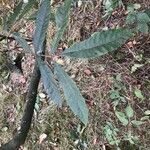
Carya aquatica
Water hickory · Bitter pecan
Description
Source: leafsnapCarya aquatica, the bitter pecan or water hickory, is a large tree, that can grow over 30 metres (98 ft) tall of the Juglandaceae or walnut family. In the American South it is a dominant plant species found on clay flats and backwater areas near streams and rivers. The species reproduces aggressively both by seed and sprouts from roots and from stumps of cut trees. Water hickory is a major component of wetland forests now in the south eastern US, because of the selective cutting of more desirable tree species for the lumber industry. It is considered important in cleansing drainage waters since the plants slow water flow during flooding, allowing sediments to fall out of the water column. This tree species is tolerant of wet soils but grows best on well draining soils near rivers and other water ways.
Care Guide
💧 Water
Water hickory flourishes in the wetlands of the southeastern United States, where it prefers moist, waterlogged soils. To maintain the ideal moisture levels, it should be watered twice a week. Typically found outdoors, water hickory benefits from rainwater, which supports its growth and ecological role.
☀️ Light Full sun
Water hickory comes from open habitats, such as sunlit meadows and forest margins, where light is plentiful. It performs best in Full Sun but will also tolerate Partial Sun, adjusting well to a range of sunlight exposures.
What are the sunlight requirements for Water Hickory?
Water Hickory, known botanically as Carya aquatica, thrives under specific sunlight conditions. For optimal growth, areas with 'Full sun,' meaning above 6 hours of sunlight daily, are suitable. Additionally, locations that receive 'Partial sun,' which is about 3-6 hours of sunlight, can also support this tree well. It's important to observe the movement of sunlight through your garden carefully, selecting spots that offer a harmonious balance of light and shade. This careful placement ensures the plants' well-being and promotes healthy growth.
🌡️ Temperature 5–35°C
Water hickory is fairly adaptable to temperature, able to endure higher heat and wide temperature fluctuations. In hot conditions, attention should be paid to watering and suitable shading should be provided to avoid sunburn. Conversely, water hickory is not very tolerant of low temperatures; although it can handle some cold, overly frigid conditions may cause frost damage.
What is the Water Hickory?
The Water Hickory, known botanically as Carya aquatica, is a species without any specified essentials or symptoms information provided here. Further details regarding its characteristics, habitat, or uses are not given in the provided data.
💨 Humidity normal (40-60%)
This plant will thrive in moderate humidity, which is probably the level in your home. However, misting it a few times a week can be very beneficial. Make sure the room has good ventilation.
🪴 Soil 6-7
🌱 Fertilizer
Fertilize your Water hickory in early spring to encourage healthy growth. Regular feeding improves its overall health, leading to vigorous growth, greater tolerance of harsh conditions, and increased resistance to diseases and pests. Keep a consistent fertilization schedule to maintain foliage that is vibrant, richly colored, and lush.
🪴 Pot & Repot
✂️ Pruning
Water hickory thrives in moist environments and can grow quite tall. To maintain its health, you should prune the tree in early spring. This will help remove dead branches and enhance air circulation. Be careful to avoid heavy cuts during pruning. Instead, opt for minimal, selective trimming, as this approach strengthens the tree's structure and encourages healthy foliage development.
🌿 Propagating
🐛 Diseases & pets
☠️ Toxicity
Characteristics
- Plant Type
- Tree
- Life Cycle
- Perennial
- Genus
- Carya
- Family
- Juglandaceae
- Hardiness Zone
- 5-9
- Mature Height
- 24.38 m to 30.48 m
- Mature Spread
- 11.89 m to 14.94 m
- Leaf Color
- Green, Dark Green
- Leaf Type
- Deciduous
- Flower Color
- Green
- Flower Size
- 2.54 cm to 7.62 cm
- Bloom Time
- Mid spring, Late spring
- Planting Time
- Spring, Summer
- Harvest Time
- Late summer, Early fall, Mid fall