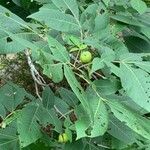
Carya ovata
Shagbark Hickory · Caryer Ovale · Noyer Tendre · Shellbark Hickory · Upland Hickory
Description
Source: leafsnapCarya ovata, commonly known as the shagbark hickory, is a deciduous tree native to eastern North America. It can grow up to 80 feet tall and features distinctive shaggy bark that peels away in long strips. The leaves are pinnately compound and can reach up to 12 inches in length. The tree produces edible nuts prized for their sweet flavor and high nutritional value. Shagbark hickory trees thrive in moist, well-drained soils and require full sun exposure. They are commonly found in forests, along riverbanks, and on hillsides throughout their native range. In addition to its culinary uses, the wood of the shagbark hickory is highly valued for its strength and durability. It has been used for centuries by Native Americans to craft tools such as bows and arrows. Overall, Carya ovata is an important species both ecologically and culturally throughout eastern North America. Its unique characteristics as a food source and valuable timber resource make it a significant contributor to the region's biodiversity and heritage.
💡 The shagbark hickory tree yields an edible nut that can be used much like a pecan. However, because these trees do not consistently produce crops, they are not suitable for commercial cultivation. The wood of the shagbark hickory is a hardwood, useful for crafting tool handles, implements, and even drumsticks. Additionally, the bark can be used to create a syrup similar to maple syrup.
🌳 Shagbark hickory, valued for its precious wood, also plays an important role in supporting wildlife, providing food such as fruits and bark to animals like squirrels and birds. The distinctive texture of its bark shelters insects and small animals. Its sap was used by indigenous tribes to produce a sugary syrup similar to maple syrup. Additionally, shagbark hickory wood is celebrated for imparting a distinct flavor when used to smoke-cure meats.
🎭 Legal issues, retaining something
Care Guide
💧 Water Every 7 days
Shagbark hickory originates from deciduous forests and thrives in environments with moderate moisture, although it can tolerate short periods of drought. For ideal growth, the tree should be watered every 1 to 2 weeks. When grown outdoors, applying mulch around the base helps retain soil moisture and mimics the natural leaf litter found in its native habitat.
When Should I Water My Shagbark Hickory?
Watering shagbark hickory (Carya ovata) at the correct time is crucial for its health and vitality. To determine when to water, check the soil's moisture level by inserting your finger about an inch into the soil near the tree. If it feels dry, it's time to water. Look out for signs like leaf wilting, where leaves droop significantly, indicating the tree needs water. Be mindful of leaf discoloration; if leaves turn a dull green or yellow out of season or become brittle, it may signal the need for watering. Avoid overwatering as it can lead to root rot and other problems, weakening the plant.
How Should I Water My Shagbark Hickory?
Shagbark hickory requires careful watering to thrive. It's best to water directly at the base with a watering can, focusing on the soil to ensure adequate moisture without waterlogging. Consider deep watering during hot summer months to encourage drought-resistant root growth. Utilizing tools like a moisture meter can help avoid overwatering. Mulching around the base helps maintain soil moisture levels. Pay attention to watering the base rather than the leaves or bark to prevent diseases such as powdery mildew. During dry spells, additional watering may be necessary.
How Much Water Does Shagbark Hickory Really Need?
The water needs of shagbark hickory vary by the plant's size, root depth, and environmental conditions. Generally, it should receive around 2 inches of water per week during the growing season, adjusting based on weather and growth stage. A properly hydrated plant will display healthy, green leaves and a sturdy trunk. Over or under-watering can be detrimental, causing root rot or dehydration, respectively. To avoid overwatering, use well-draining soil and check soil moisture regularly, adjusting watering as needed.
What Kind of Water is Best for Shagbark Hickory?
Shagbark hickory benefits most from distilled or rainwater, as both are free from harmful contaminants and minerals. Filtered water is a suitable alternative if it effectively removes pollutants. Tap water is least recommended due to potential chlorine and fluoride content, but if used, it's best to let it sit for 24-48 hours for chlorine to evaporate. The plant is sensitive to chlorine, fluoride, and excessive minerals, so avoid using softened water, which contains high levels of salt. Moderately warm water, around 68-72°F, is ideal for watering.
How Do Shagbark Hickory's Watering Needs Change with the Seasons?
Seasonal changes greatly influence the watering needs of shagbark hickory. In spring, the active growth phase, maintain consistent soil moisture. Summer's heat may reduce the tree's water needs due to natural dormancy; allow soil to dry slightly between waterings. Decrease watering frequency in autumn as the tree prepares for dormancy, and in winter, water sparingly, allowing the topsoil to dry out between waterings. Adjusting the watering schedule according to the season supports the tree's health and growth.
☀️ Light Full sun
Shagbark hickory grows best in abundant sunlight, which maximizes its growth. Although it can tolerate some shade, consistent sunlight supports the plant most effectively. In its native habitat it receives unobstructed light. Too little sun can stunt growth, while too much light may cause stress and affect overall health.
What are the sunlight requirements for a Shagbark Hickory?
Shagbark Hickory requires full sunlight for optimal growth, thriving in conditions where it can receive more than 6 hours of direct sunlight daily. However, it can also tolerate partial sun, with about 3-6 hours of sunlight. The right balance of light and shade is crucial for its health, ensuring that the plant is exposed to the perfect amount of sunlight throughout the day. Additionally, if placed in an environment with insufficient natural light, artificial lighting can be used to supplement its growth needs, especially during winter or in less sunny spaces. LED lights, with a wattage suited to the plant's sunlight category, can provide the necessary wavelengths of light. The duration of artificial light exposure should mimic natural daylight hours, generally 8-12 hours per day.
What are common symptoms of improper sunlight exposure for Shagbark Hickory?
Shagbark Hickory may show several symptoms if it doesn't receive adequate sunlight, including smaller new leaves, leggy or sparse growth, faster leaf drop, and slower or no growth at all, indicating light deficiency. Excessive sunlight exposure can lead to chlorosis, where leaves lose their green color and turn yellow, sunscald, leaf curling, wilting, and leaf scorching. These symptoms highlight the plant's struggle with either too much or too little sunlight, affecting its ability to thrive.
How can I address sunlight-related issues with my Shagbark Hickory?
To address sunlight-related issues with Shagbark Hickory, gradually increase exposure to sunlight if the plant has been underexposed, aiming for at least 6 hours of direct sunlight daily. For indoor plants, consider using artificial light sources if natural sunlight is insufficient, ensuring they receive adequate light for at least 8 hours per day. For outdoor plants, relocate them to sunnier spots gradually to prevent sunburn. If sunlight is obstructed, consider reducing obstructions or transplanting smaller plants to sunnier locations. Remember, parts of the plant that have been affected by insufficient sunlight may not recover, but new growth should be healthy with improved light conditions.
🌡️ Temperature 5–32.2°C
Shagbark hickory’s temperature preference is to grow in its native habitat where temperatures range from 5 to 32 ℃ (41 to 90 ℉). It grows best when conditions fall within that range. In colder seasons it should be kept in a spot protected from frost. During hotter months it needs a steady supply of moisture to help regulate its temperature.
What is the ideal temperature range for Shagbark Hickory growth?
Shagbark Hickory (Carya ovata) thrives in a native growth environment with temperatures ranging from 5 to 32°C (41 to 90°F). This range is optimal for its growth. The plant possesses strong cold resistance and generally does not require special frost protection measures. However, during the colder seasons, it's beneficial to place it in a location that shields it from frost to sustain optimal growth conditions. During hotter months, maintaining a consistent supply of moisture is crucial to help regulate its temperature.
What should I do to protect Shagbark Hickory in winter?
To protect Shagbark Hickory during winter, especially if temperatures are expected to drop below its cold tolerance limit, wrap the trunk and branches with non-woven fabric or cloth. This provides additional insulation against the cold. Before the first freeze of autumn, it's advised to water the plant abundantly to ensure the soil is moist and enters a frozen state. This preparation helps prevent drought and water scarcity for the plant during winter and early spring.
How does low temperature affect Shagbark Hickory and how can I mitigate these effects?
Shagbark Hickory is cold-tolerant and performs best when temperatures stay above its lower growth limit. If temperatures fall below this threshold, there may not be noticeable issues during winter, but come spring, the branches could become brittle and dry. In such cases, no new shoots will emerge. To mitigate these effects, it's advisable to prune away any dead branches that have failed to produce new leaves in the spring.
What problems occur with high temperatures and how can I address them?
During high temperatures, particularly above the plant's tolerable maximum, Shagbark Hickory may experience issues such as leaves becoming lighter in color and the tips drying and withering, increasing susceptibility to sunburn. To address these problems, trim away the sunburned and dried-up parts of the plant. Moving the plant to a shaded location or using a shade cloth can protect it from the midday and afternoon sun. Additionally, watering the plant in the morning and evening can help keep the soil sufficiently moist.
💨 Humidity
🪴 Soil 6-7
🌱 Fertilizer
Fertilize your Shagbark hickory in early spring to encourage healthy growth. Regular fertilization improves overall health, leading to vigorous development, increased tolerance of harsh conditions, and enhanced resistance to diseases and pests. Keep to a consistent fertilization schedule for your Shagbark hickory to achieve vibrant, deeply colored, and lush foliage.
Why should I put fertilizer on my Shagbark hickory tree?
No matter the type of Shagbark hickory you have, regular fertilization is important for its overall health. Providing the right nutrients promotes strong growth and makes your Shagbark hickory more resistant to harsh conditions, diseases, and pests. Keeping the foliage intact is crucial for the tree's appeal, so it's important to establish and follow a specific fertilization schedule. This will result in the development of vibrant, lush leaves for your Shagbark hickory.
When should I fertilize my Shagbark hickory tree?
The best time to fertilize your Shagbark hickory is in late winter or early spring. This provides the tree with the necessary nutrients to grow healthily once the weather warms up. If you live in a warm climate, it is also beneficial to give your Shagbark hickory another round of fertilizer in early fall. This adds nutrients to the soil, which the tree will use in the next growing season, and helps it withstand the winter without damage. Fertilizing earlier will give the new branches enough time to grow and be resilient against the cold winter.
When is the best time to not put fertilizer on my Shagbark hickory?
To ensure proper care for your Shagbark hickory, avoid fertilizing during certain periods of the year. Firstly, do not fertilize during the early and mid-winter months when the tree is dormant and does not require feeding. Similarly, it is not recommended to fertilize during late spring and throughout summer when the weather is hotter and drier. These conditions can have a negative effect on the tree's response to fertilization. To avoid any issues, follow a fertilization schedule that focuses on feeding during early spring and early fall.
What kind of fertilizer does my Shagbark hickory tree need?
The most important nutrient for a Shagbark hickory is usually nitrogen, but phosphorus and potassium are still important. To ensure proper growth, it's recommended to provide a balanced fertilizer like a 10-10-10. However, a more specific nutrient ratio, particularly higher in nitrogen like 10-6-4, often leads to better growth. You can choose between using granular or liquid-based fertilizers for application.
How should I add fertilizer to my Shagbark hickory tree?
To fertilize your Shagbark hickory with granular fertilizer, simply sprinkle it on the soil at the right time. The fertilizer will release nutrients slowly over time. It's usually best to lightly water the tree before applying the fertilizer. Another option is to use liquid fertilizer, although this is less common. To do this, mix the fertilizer with water and pour it around the base of the tree. Sometimes it's helpful to test the soil before fertilizing to see if any pH adjustments are needed.
🪴 Pot & Repot
✂️ Pruning
The shagbark hickory is known for its peeling bark and edible nuts. To maintain its health, prune the tree in early spring. This is the ideal time to remove any dead or crossing branches, which helps improve air circulation and structural integrity. Pruning while the tree is dormant reduces stress and the risk of pests, ultimately enhancing the tree's health and potentially increasing nut production.
🌿 Propagating
🐛 Diseases & pets
☠️ Toxicity
Characteristics
- Plant Type
- Tree
- Life Cycle
- Perennial
- Genus
- Carya
- Family
- Juglandaceae
- Hardiness Zone
- 4-8
- Mature Height
- 29.87 m to 46.02 m
- Mature Spread
- 14.94 m to 21.03 m
- Leaf Color
- Green, Yellow, Gold
- Leaf Type
- Deciduous
- Flower Color
- Yellow, Green
- Flower Size
- 7.62 cm to 15.24 cm
- Bloom Time
- Late spring, Early summer
- Planting Time
- Spring, Autumn
- Harvest Time
- Mid summer
- Native Area
- Mexico