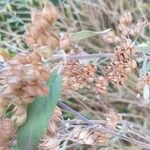
Caryopteris clandonensis
Blue beard · Blue mist · Blue-mist shrub · Blue spirea
Care Guide
💧 Water
☀️ Light Full sun
Caryopteris performs best in full sun but can tolerate some shade. Native to sunny regions, the plant depends on abundant light for vigorous growth. Both too little and too much sunlight can result in poor development and discoloration. Its light requirements remain largely unchanged through different growth stages.
🌡️ Temperature 5–35°C
Caryopteris is highly adaptable to a wide range of climate conditions, from blazing summers to freezing winters. Nonetheless, it has a preferred temperature range for healthy growth. When temperatures become too high, the plant can suffer from heat and humidity stress, which may lead to its death. In areas where temperatures near the lower limit of its cold tolerance, it is necessary to use insulation measures to protect the plant.
💨 Humidity
🪴 Soil 5-7
🌱 Fertilizer
The timing of fertilizing Caryopteris is important. Apply fertilizer in early spring and continue once a month until early summer. Fertilizer promotes attractive blooms and supplies energy during both dormant and active growth phases.
🪴 Pot & Repot
✂️ Pruning
🌿 Propagating
🐛 Diseases & pets
☠️ Toxicity
Characteristics
- Plant Type
- Shrub
- Life Cycle
- Perennial
- Genus
- Caryopteris
- Family
- Juglandaceae
- Hardiness Zone
- 5-9
- Mature Height
- 61 cm to 91 cm
- Mature Spread
- 61 cm to 91 cm
- Leaf Color
- Green, Yellow, Variegated, Gold, Silver
- Leaf Type
- Evergreen, Deciduous
- Flower Color
- Purple, Blue, Pink
- Flower Size
- 0.51 cm to 1.02 cm
- Bloom Time
- Mid summer
- Planting Time
- Spring, Autumn
- Harvest Time
- Mid summer, Late summer