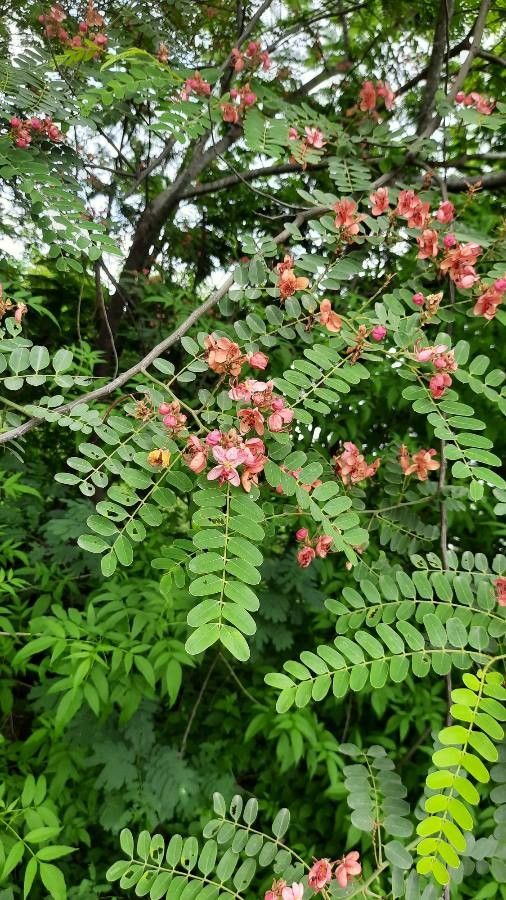
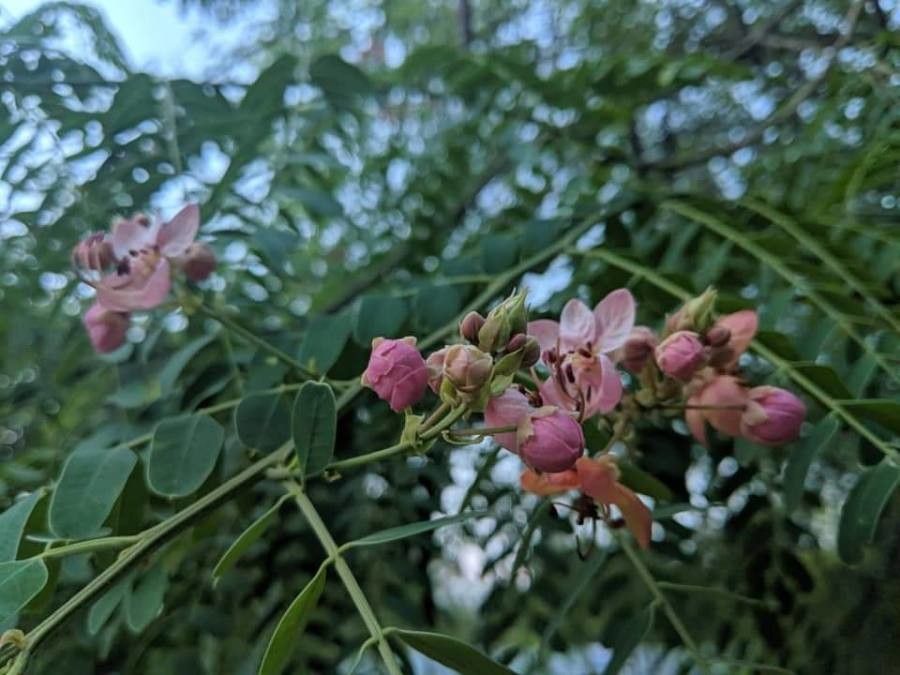
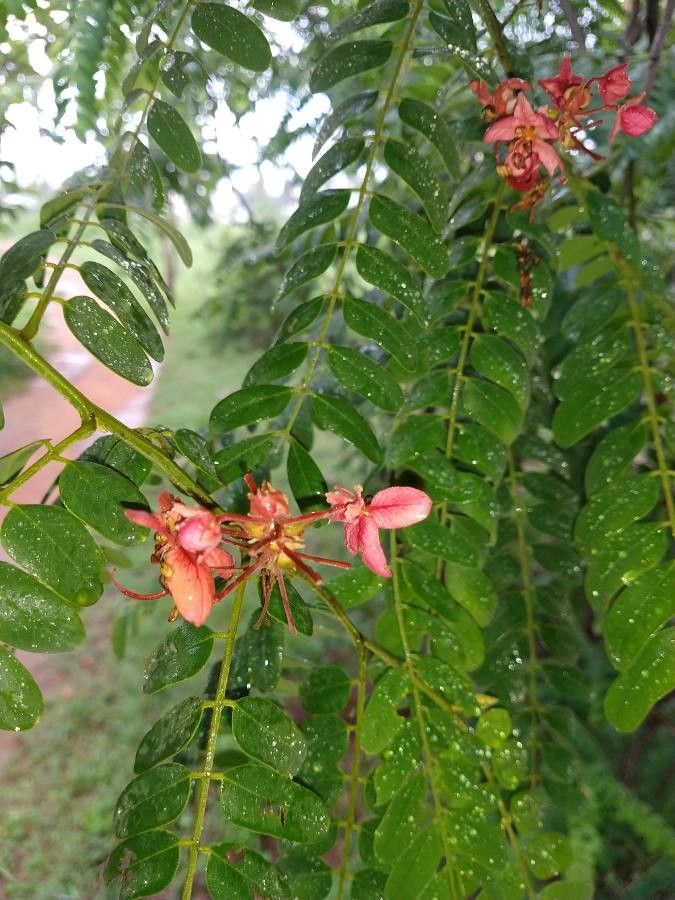
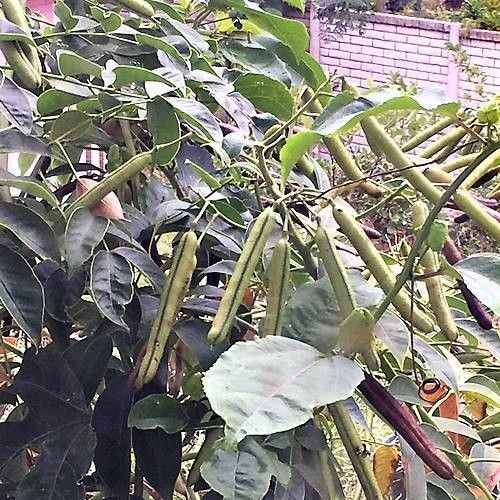
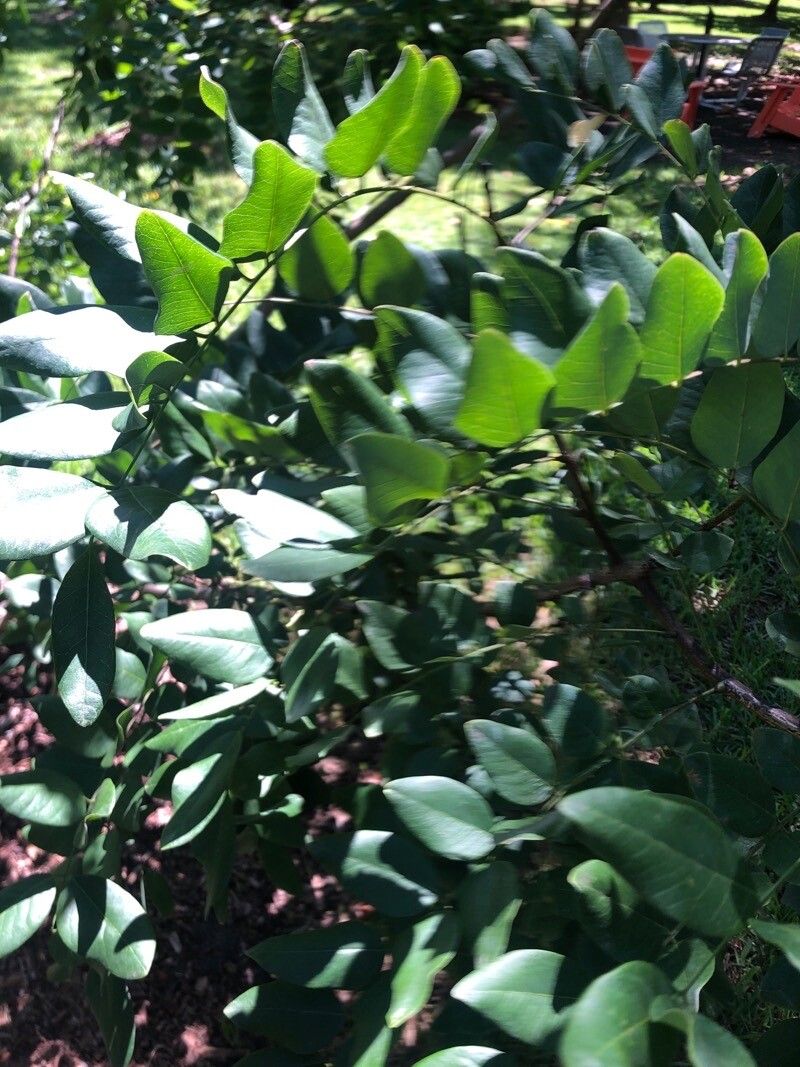
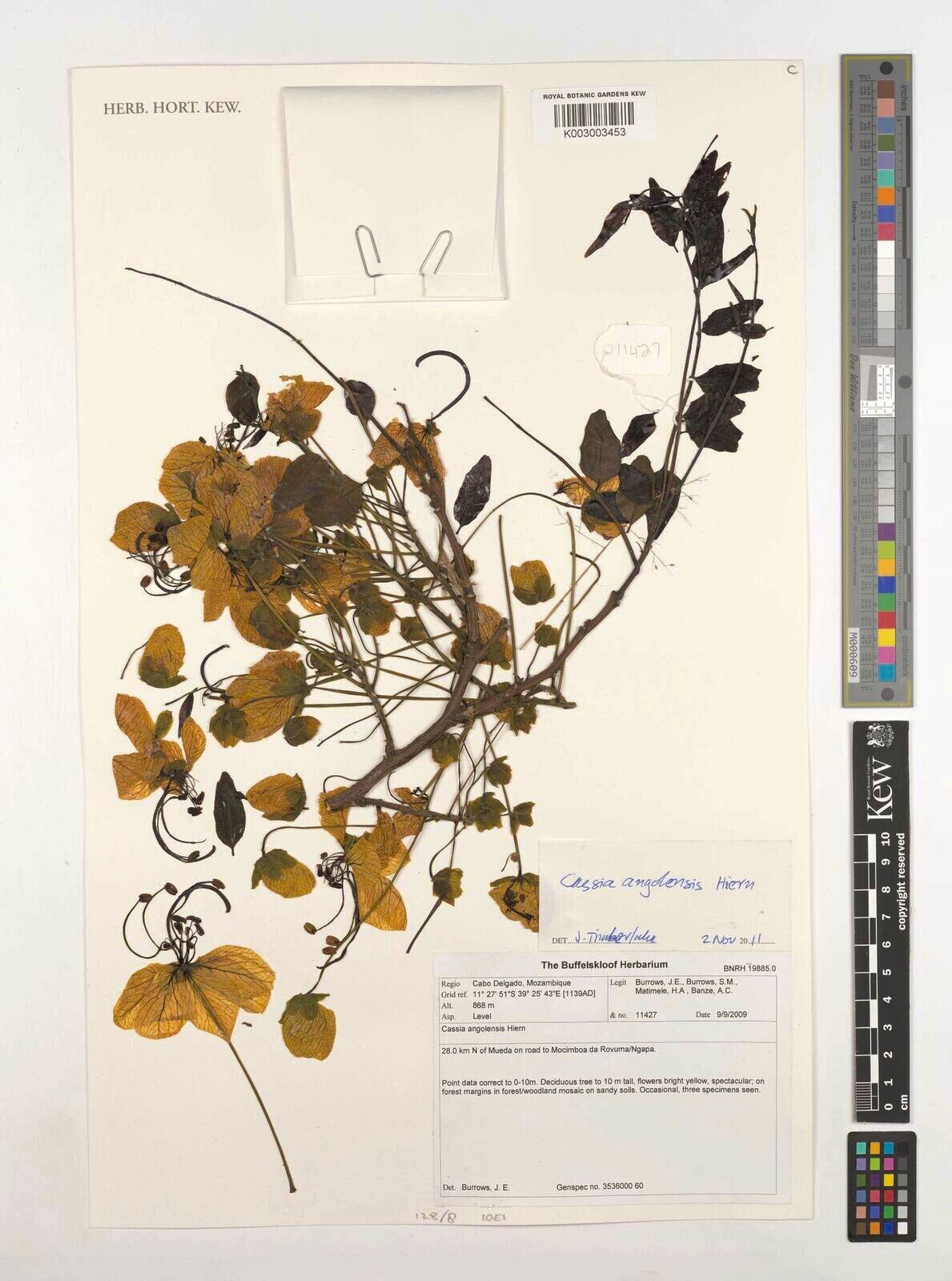
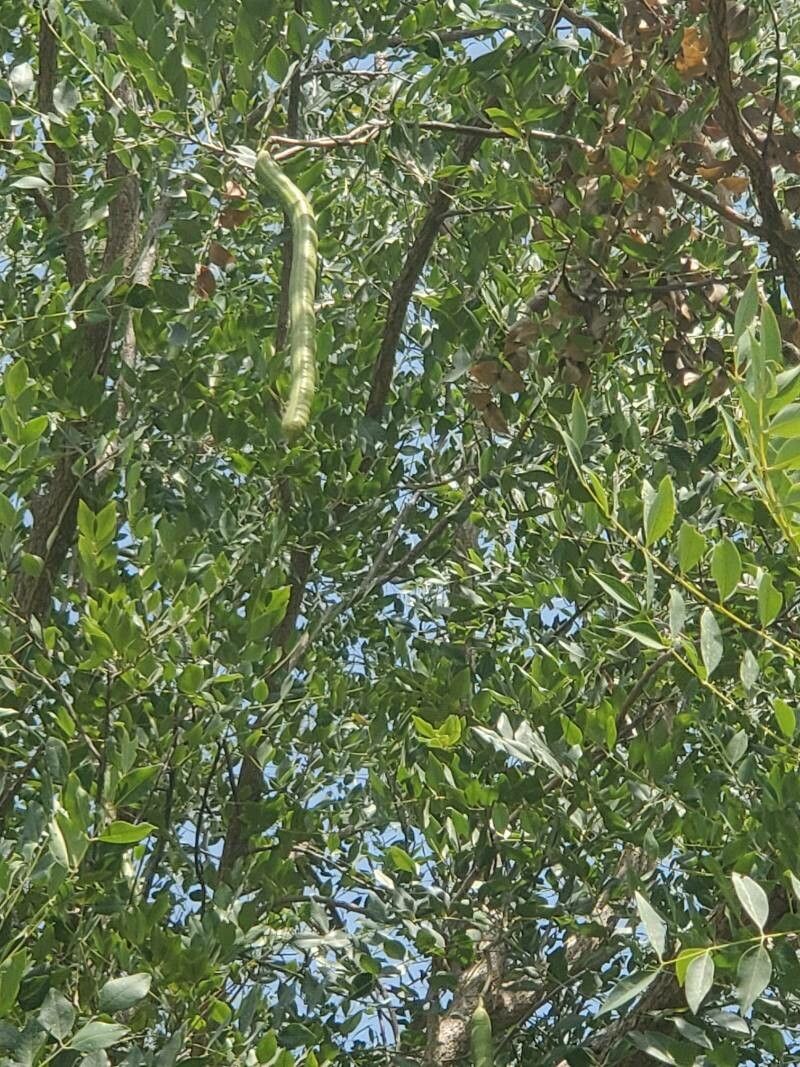
Cassia roxburghii, commonly known as Roxburgh's cassia or Indian senna, is a deciduous tree in the Fabaceae family. This tree can reach a height of up to 15 meters and features a spreading crown with drooping branches. Its pinnate leaves consist of 3-6 pairs of ovate or oblong leaflets with a smooth texture.
During the summer months, Cassia roxburghii produces bright yellow flowers that bloom in clusters. Each flower has five petals, ten stamens, and one pistil. The tree bears fruit in the form of long pods containing several seeds.
Historically, Cassia roxburghii has been utilized for its medicinal properties, primarily due to its laxative effects. It contains anthraquinone glycosides, which stimulate bowel movements and help alleviate constipation.
In addition to its medicinal uses, this tree is valued as an ornamental plant because of its appealing foliage and vibrant flowers. It thrives in both full sun and partial shade, preferring well-drained soil.
In summary, Cassia roxburghii is an important plant both medicinally and aesthetically. Its beautiful yellow flowers make it a striking addition to any garden or landscape design, while its medicinal properties offer health benefits when used properly under medical supervision.
Roxburgh's cassia is disease-resistant and generally not prone to illnesses. Regarding care, this plant is fairly low-maintenance. When planted outdoors it needs minimal watering, and larger plants typically do not require pruning. Smaller plants, however, should be pruned after they have bloomed. Roxburgh's cassiat is appropriate for anyone with an outdoor space, such as a garden or deck, and does not demand much care experience.
How to keep Cassia Roxburghii.
Light
Roxburgh's cassia is native to open habitats, like sunny meadows and the edges of forests, where plenty of light is available. It prefers Full Sun but can tolerate Partial Sun, adapting well to different light conditions.
Temperature
Roxburgh's cassia comes from tropical areas where the climate is generally warm and humid. Therefore, it is well suited to high heat and moisture. It does not tolerate abrupt temperature changes and prefers a consistent temperature, so avoiding indoor temperature swings is important. It usually cannot withstand cold and needs higher temperatures to grow. If the ambient temperature falls too low, the plant may stop growing or even die.
Fertilizer
Early spring, as Roxburgh's cassia breaks dormancy, is the best time to apply fertilizer. This supports overall growth and development of flowers. Fertilizing improves foliage, stems, and branches and encourages flowers that are larger, more vivid, and longer-lasting. It also helps transport nutrients from the roots to the blooms and enhances the plant's health and resistance to disease.
Pruning
Roxburgh's cassia is an ornamental tree that benefits greatly from early spring pruning. This process involves removing dead branches and improving airflow, which promotes healthy growth. Formative pruning helps shape the tree and enhances its appearance, while regular seasonal pruning reduces stress. By maintaining this routine, you encourage stronger growth, better flowering, and increased resistance to pests and diseases.
Botanical profile.
- Plant Type
- Tree
- Life Cycle
- Perennial
- Genus
- Cassia
- Family
- Fabaceae
- Hardiness Zone
- 9-11
- Mature Height
- 14.94 m to 20.12 m
- Mature Spread
- 4.88 m to 7.92 m
- Leaf Color
- Green
- Leaf Type
- Deciduous
- Flower Color
- Pink
- Flower Size
- 4.06 cm to 6.35 cm
- Bloom Time
- Late spring, Summer, Early fall, Mid fall
- Planting Time
- Spring, Summer, Autumn
- Harvest Time
- Fall, Winter
- Native Area
- Sri Lanka, Bangladesh, India
Other names.