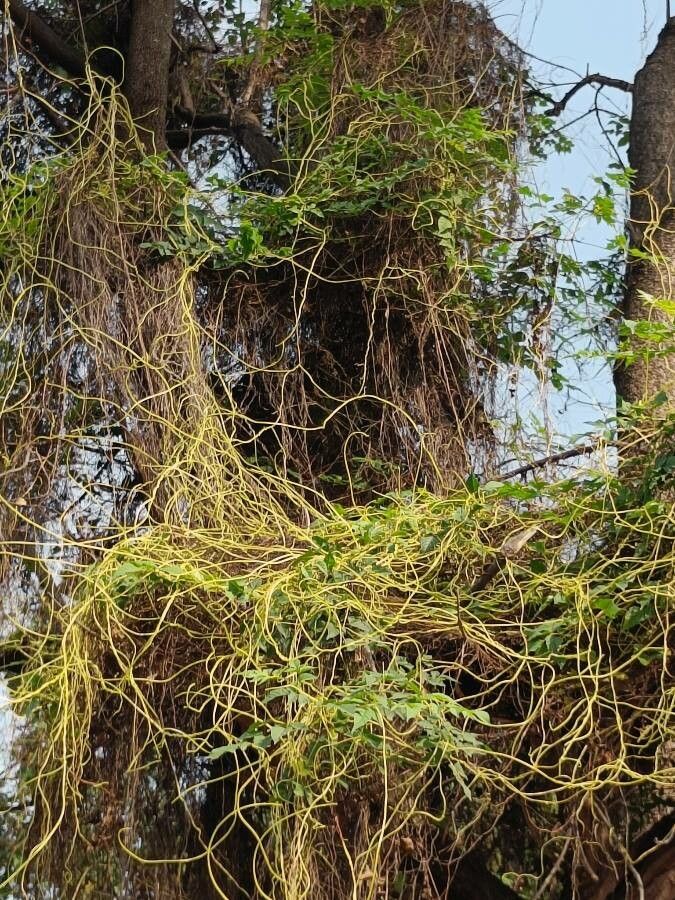
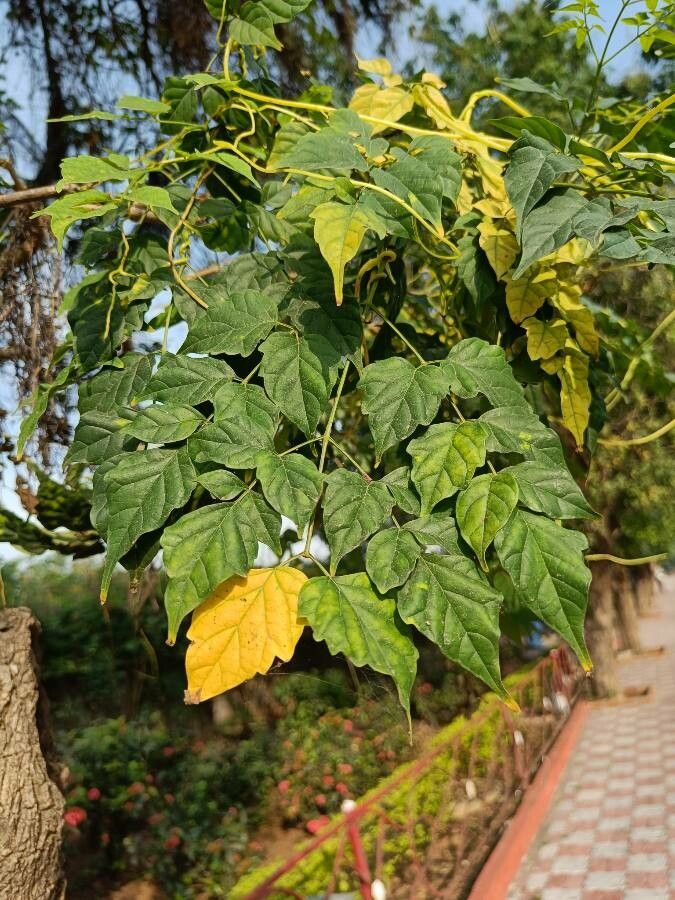
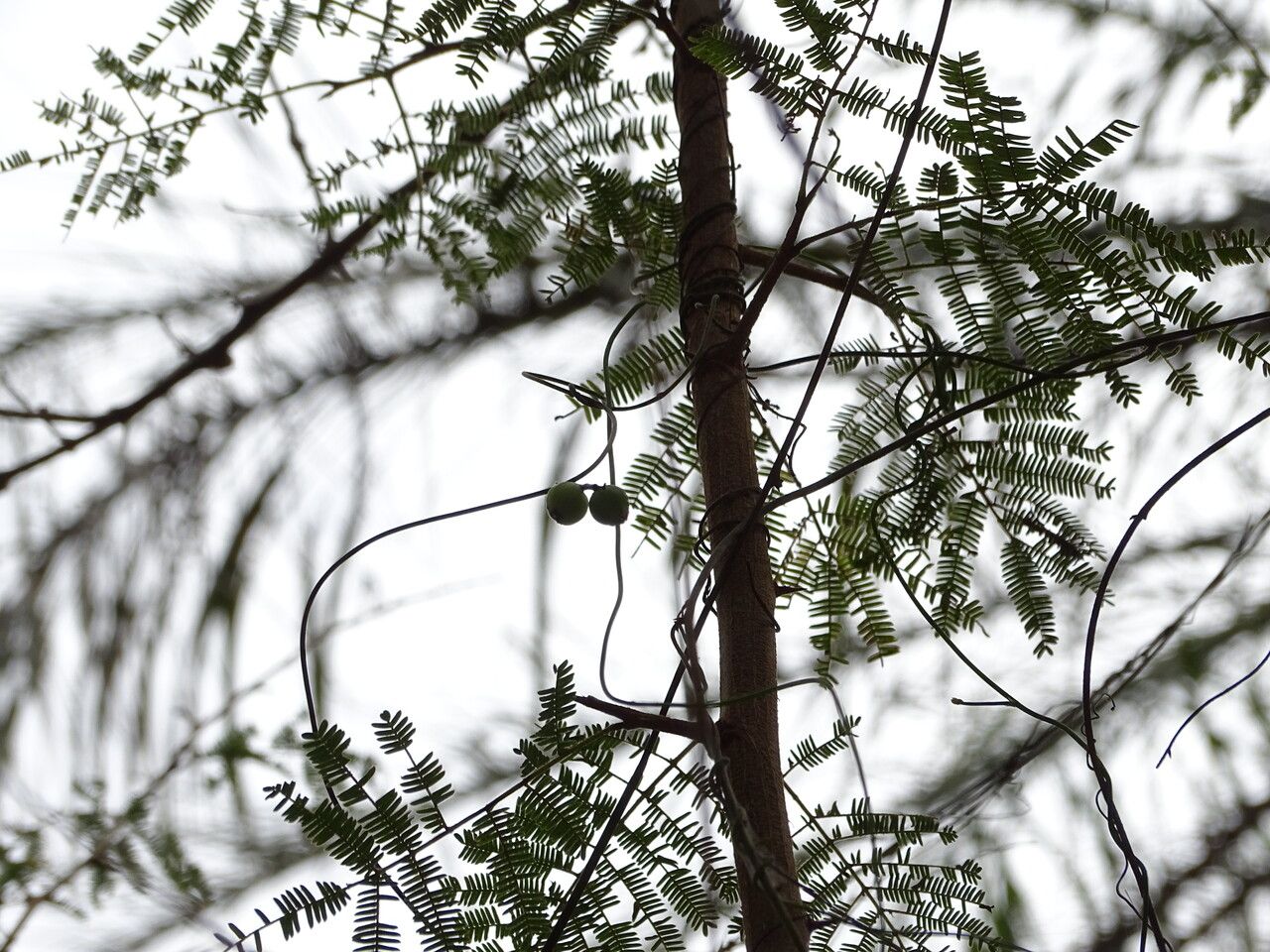
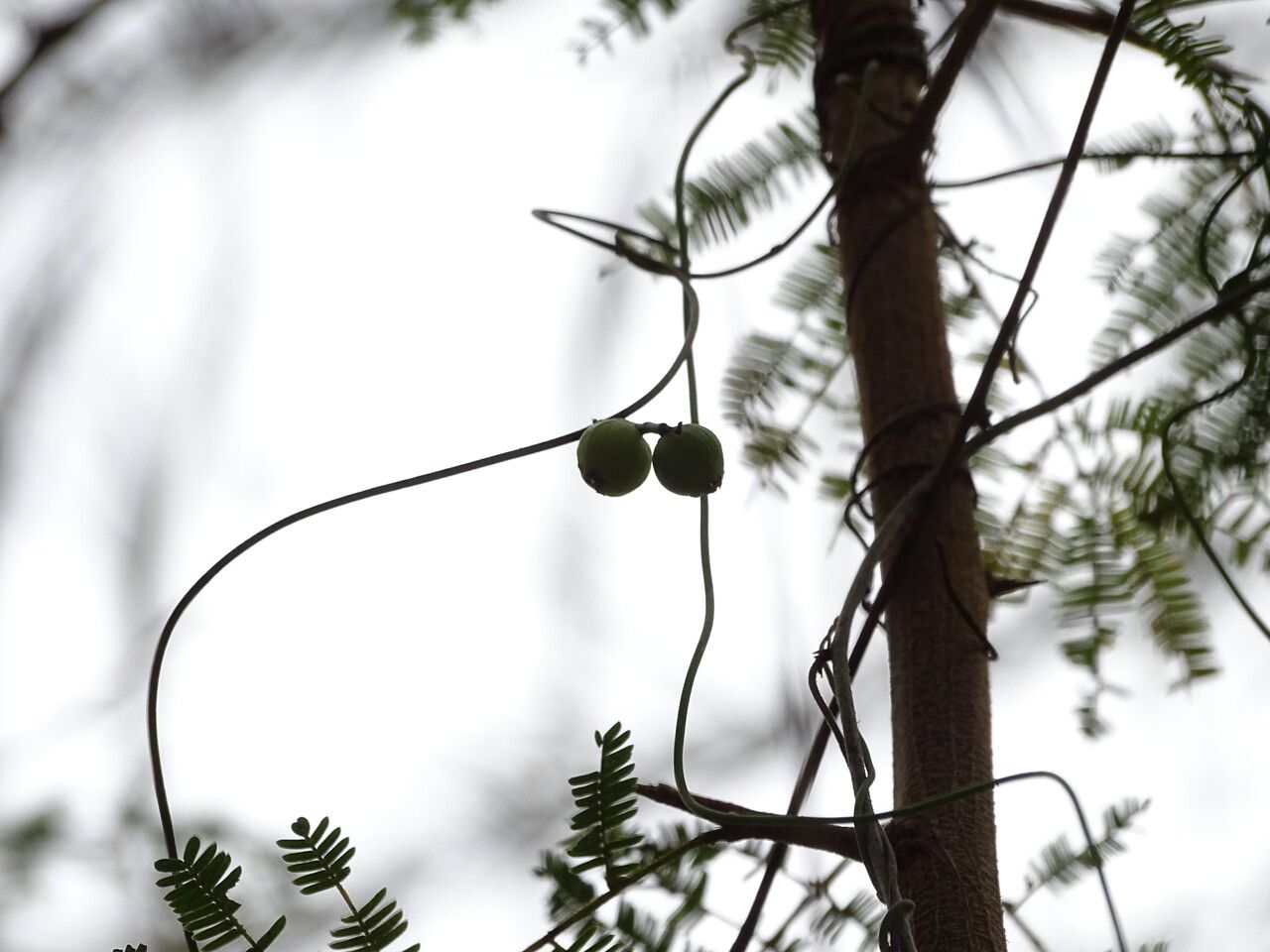
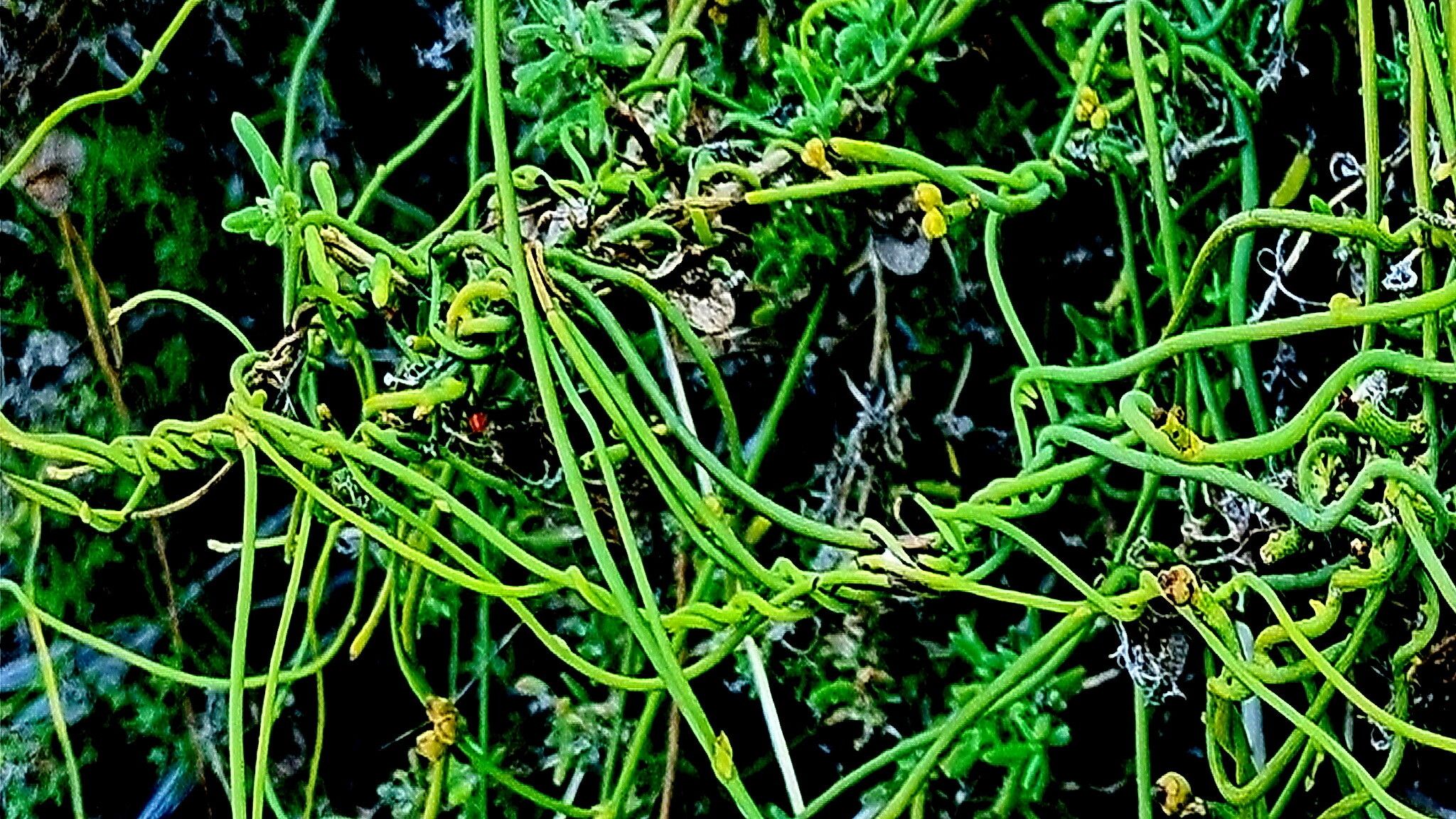
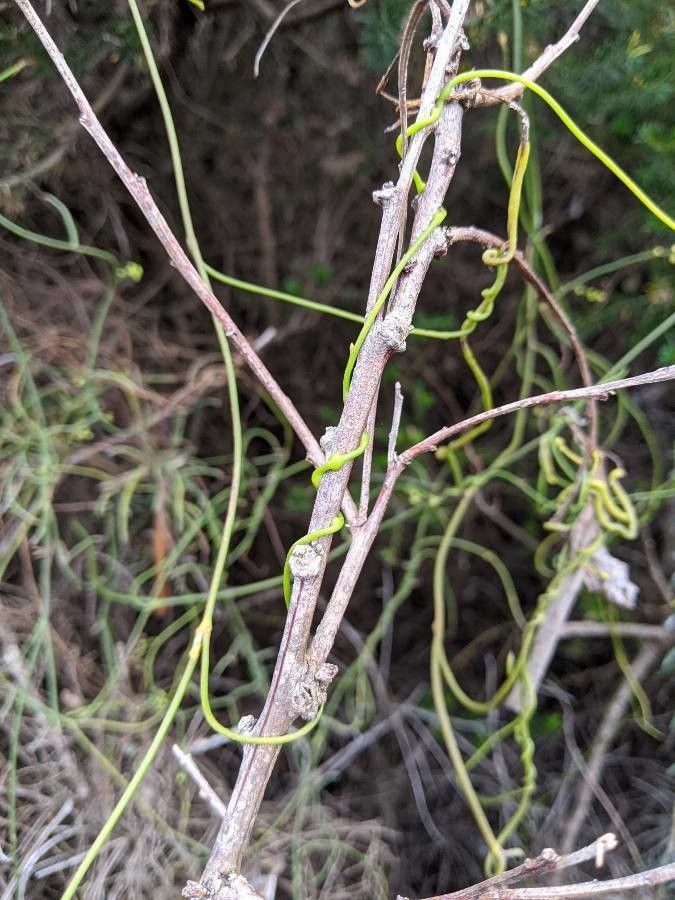
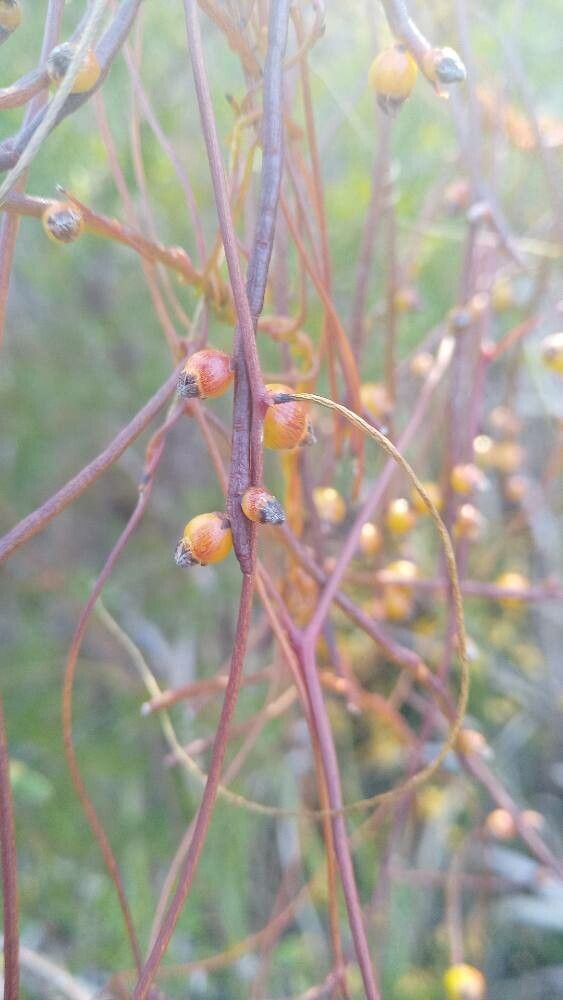
Cassytha filiformis, commonly known as love vine or devil's twine, is a parasitic plant belonging to the Lauraceae family. It is native to tropical and subtropical regions of Asia, Africa, Australia, and the Pacific Islands. The plant features thin, thread-like stems that can extend several meters in length. Lacking chlorophyll, it depends entirely on other plants for its nutrition.
The love vine attaches to its host using small suckers called haustoria, which penetrate the host's stem or leaves to absorb nutrients. This parasitic relationship allows the Cassytha filiformis to thrive while exploiting the host plant's resources.
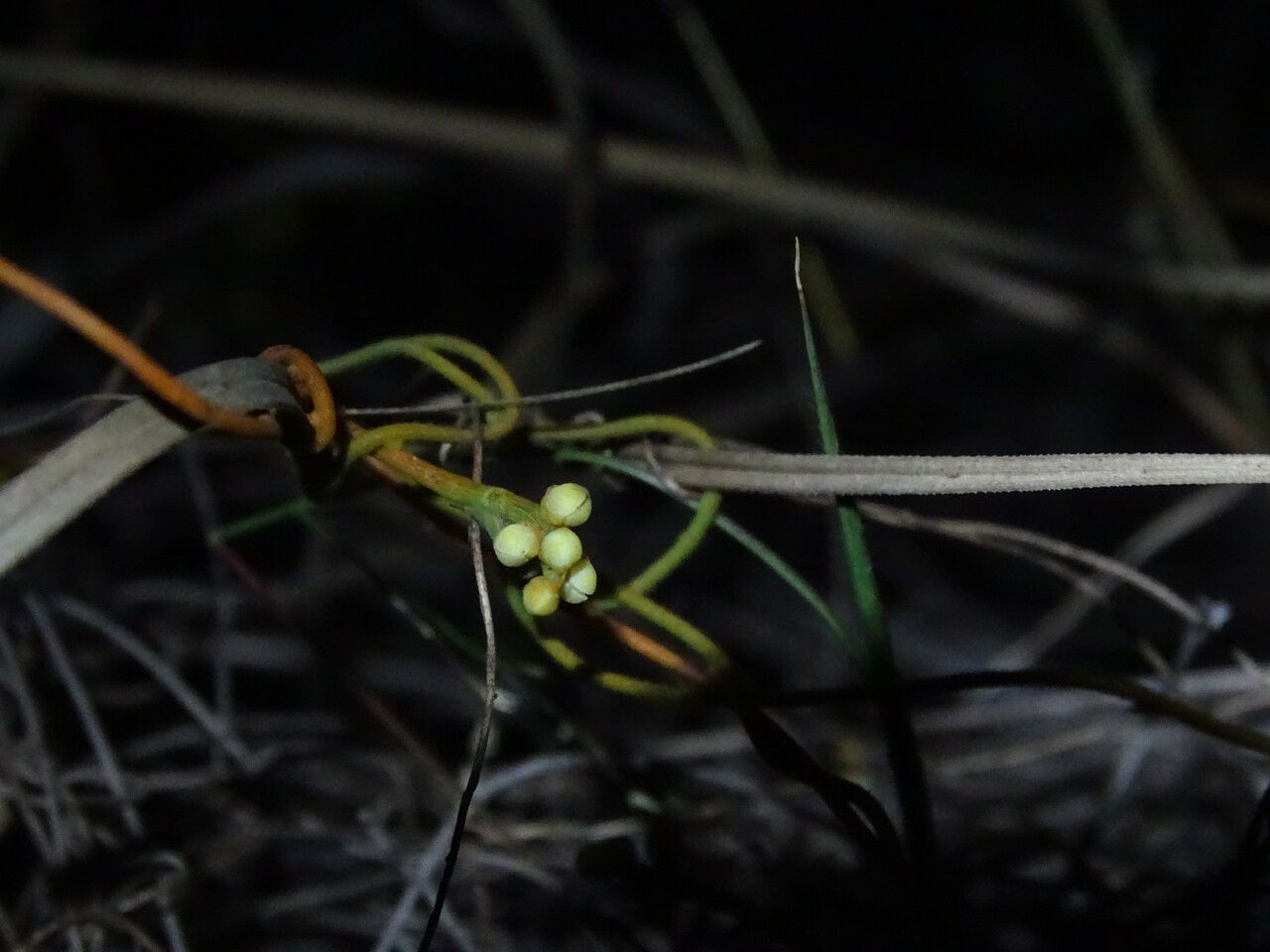
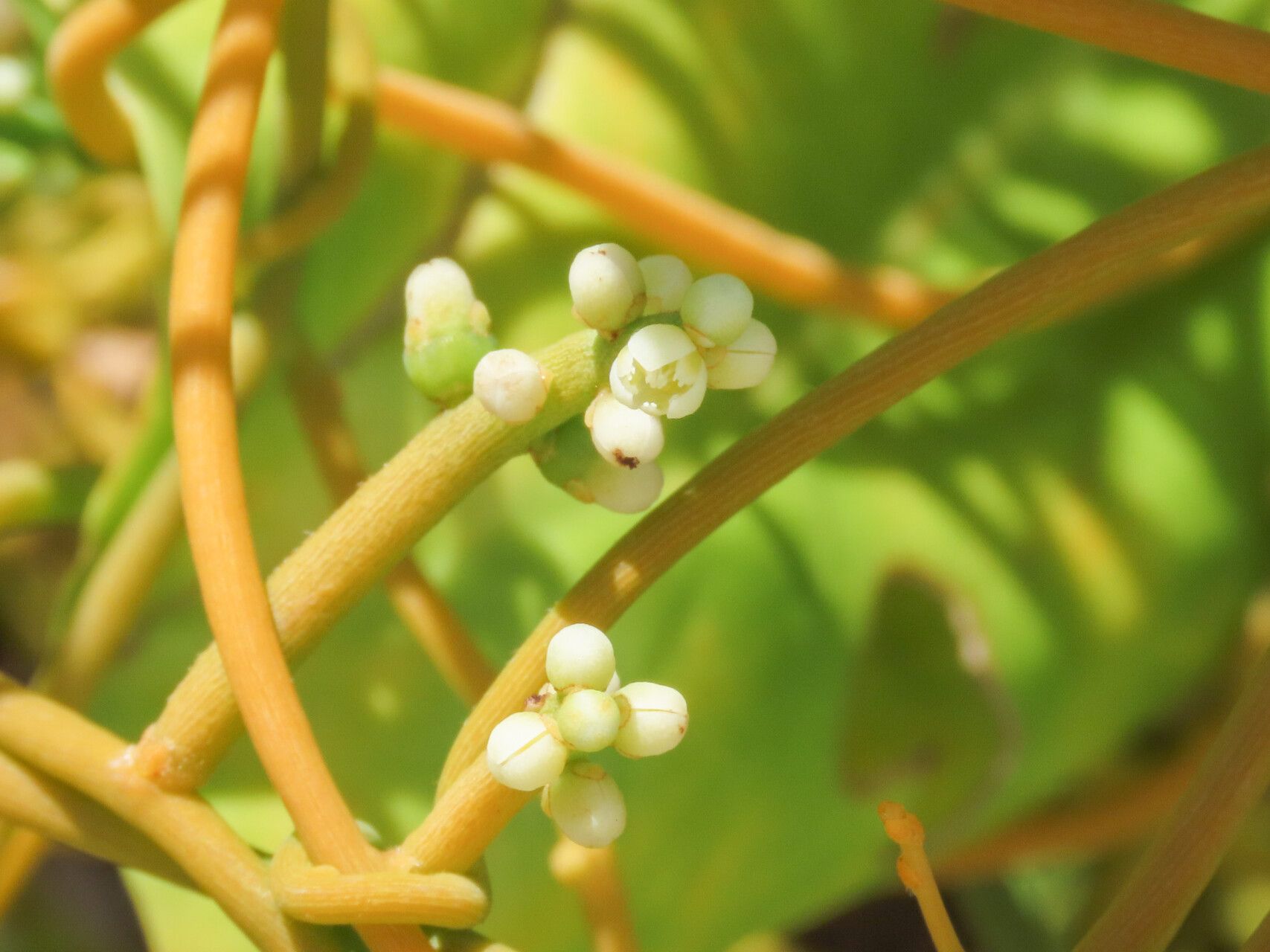
The leaves of Cassytha filiformis are minimal and scale-like in appearance. Its small, greenish-yellow flowers grow on short stalks from the leaf axils.
In traditional medical practices across regions such as Indonesia, Malaysia, and the Philippines, Cassytha filiformis has been used to treat various ailments, including fever and headaches, due to its anti-inflammatory properties.
Cassytha filiformis can be found growing on a wide range of hosts, including trees like Acacia spp., Eucalyptus spp., Casuarina spp., and shrubs like Lantana camara. Due to its parasitic nature, it can cause significant damage or even death to some host plants if left unchecked. However, it also plays a crucial role in maintaining ecological balance by controlling the growth of certain invasive species through nutrient depletion.
Devil's gut has strong resistance to disease and generally does not suffer from illnesses. Still, it can be vulnerable to pests and diseases present in its environment. Such infections tend to be mild. As for care, this plant needs moderate maintenance. It should be pruned regularly to preserve a tidy appearance and support healthy growth. Fertilizing can also encourage flowering. Devil's gut is appropriate for anyone with an outdoor area, like a garden or patio, and does not demand extensive gardening experience. It may need extra care when cultivated indoors.
How to keep Cassytha Filiformis.
Light
Devil's gut does best with continuous sunlight, reflecting its origin in ecosystems where unshaded sun is plentiful. Insufficient light can hinder its healthy development, while too much appears not to damage the plant. Its various growth stages do not have different sunlight requirements.
Water
Devil's gut thrives in moderate humidity and does best with balanced watering, usually once a week. This adaptation allows it to withstand dry spells. Native to tropical climates, devil's gut can absorb moisture from the humid air, which makes it well-suited for controlled indoor environments.
Temperature
Devil's gut thrives in climates where temperatures are about 68 to 100 °F (20 to 38 ℃). For optimal growth, keep devil's gut within these temperature ranges, making seasonal adjustments as necessary.
Fertilizer
Devil's gut needs the most fertilizer during its active growing period, which mainly takes place in spring, summer, and early fall. Fertilizing is needed to supply essential nutrients that the soil may lack, supporting healthy root and stem growth as well as attractive foliage, a key feature of this plant.
Pruning
Prune devil's gut from early to late spring by trimming back long vines and removing any damaged sections. This process promotes growth, improves air circulation, and enhances the health of the foliage while keeping its spread under control. Be sure to use clean, sharp tools to minimize stress and reduce the risk of disease, aligning your efforts with devil's gut's active growth cycle.
Botanical profile.
- Plant Type
- Herb, Vine
- Life Cycle
- Perennial
- Genus
- Cassytha
- Family
- Lauraceae
- Hardiness Zone
- 9-11
- Mature Height
- 7.01 m
- Mature Spread
- 0.91 m to 3.05 m
- Leaf Color
- Green
- Leaf Type
- Evergreen
- Flower Color
- White
- Flower Size
- 2.54 cm
- Bloom Time
- Summer, Early fall, Mid fall
- Planting Time
- Spring, Summer, Autumn, Winter
- Harvest Time
- Late summer, Fall, Early winter
- Native Area
- Burkina Faso, Sri Lanka, Belize, India, Mexico, Guatemala, Madagascar, Timor-Leste, Pakistan, Dominican Republic, Nigeria, Guinea-Bissau, Fiji, Uganda, Tanzania, Benin, Sierra Leone, Indonesia, Haiti, Cameroon, Mozambique, Ethiopia, Suriname, Central African Republic, Saudi Arabia, Malawi, Honduras, Philippines, Bangladesh, Laos, Panama, Chad, China, Colombia, Solomon Islands, Japan, Togo, El Salvador, Papua New Guinea, Eswatini, Senegal, Côte d'Ivoire, Gambia, Costa Rica, Congo (DRC), Somalia, Angola, Malaysia, Vanuatu, Namibia, Rwanda, Yemen, Kenya, Niger, Jamaica, Zimbabwe, Brunei, Mali, Cuba, Cambodia, Equatorial Guinea, Liberia, Burundi, Venezuela, Brazil, Ghana, Botswana, Congo, South Africa, Zambia, Guinea, Trinidad and Tobago, Bahamas, Bolivia, Vietnam, Myanmar, Guyana, Nicaragua, Singapore, Thailand, Gabon
Other names.
Reader questions.
What should I do if I give my Devil's gut plant too much or too little water?
Overwatering and underwatering can harm your Devil's gut plant, but overwatering is more common. If you give this plant too much water, its stems and leaves may wilt and turn yellow. Overwatering for a long time can also cause diseases like root rot, mold, and mildew, which can be deadly. Underwatering is less likely with the Devil's gut because it can tolerate dry conditions. However, if it happens, the leaves may become brittle and brown. It's important to notice signs of overwatering early to prevent irreversible damage. If you see these signs, reduce watering immediately and check the soil's drainage. If it drains poorly, replace it with a loose, well-draining potting mix. If you observe signs of underwatering, simply water more regularly until the signs improve.
What are the sunlight requirements for Devil's gut?
Devil's gut, also known as Cassytha filiformis, thrives under full sun conditions, requiring more than 6 hours of sunlight daily to maintain healthy growth. Its ability to flourish is heavily dependent on continuous exposure to sunlight, mimicking its natural habitat in ecosystems where unobstructed sunlight is abundant. However, it's important to monitor the way sunlight moves through your garden, choosing locations that offer the right balance of light and shade to meet the plant's needs. During winter or in less sunny spaces, artificial lights can be used to supplement natural sunlight, with LED lights being a popular choice due to their ability to provide specific wavelengths needed for the plant's growth.
What are the ideal temperature conditions for growing Devil's gut?
Devil's gut (Cassytha filiformis) thrives in temperatures ranging from 68 to 100 °F (20 to 38 °C). It is a heat-loving plant that benefits from staying within this temperature range throughout the year. During the colder months, it is advisable to bring Devil's gut indoors, placing it near a bright window but a safe distance from direct heat sources to prevent damage. Keeping the temperature above 20°C during winter helps maintain its growth, while temperatures nearing 0°C can be detrimental to the plant.
How often should I give water to my Devil's gut?
If your Devil's gut plant is in a pot, the most precise way to determine if it needs water is by checking the moisture of the soil. Simply stick your finger into the soil and if the top two to three inches feel dry, it's time to water it. If you have your Devil's gut plant growing outdoors in the ground, you can use a similar method to test the soil. Once again, if the top few inches of soil have dried out, it's time to give it some water. Typically, during the spring and early fall, following this method will require watering the plant about once a week. However, when the weather gets extremely hot, you may need to increase the frequency to twice a week or more. However, it's important to note that mature and well-established Devil's gut plants have a remarkable ability to tolerate drought.
What are the symptoms of inadequate lighting for Devil's gut?
When Devil's gut is under-exposed to sunlight, it exhibits several symptoms indicating light deficiency. These include smaller new leaves, leggy or sparse growth, faster leaf drop, slower or no new growth, and lighter-colored new leaves. Additionally, chlorosis may occur, characterized by leaves losing their green color and turning yellow due to insufficient sunlight. Other symptoms include sunscald, which damages the plant's leaves or stems, leaf curling as a defense mechanism against extreme sunlight, wilting due to loss of turgor pressure, and leaf scorching, evident by brown, dry edges on leaves caused by excessive sunlight.
How does low temperature affect Devil's gut and what are the solutions?
Devil's gut is not tolerant of low temperatures and prefers its environment to be above 20°C. Exposure to temperatures below 0°C can harm the plant, and at -5°C or lower, the leaves may turn lighter and eventually become brown or black after frost damage, exhibiting signs of wilting and drooping. To manage frost damage, the affected parts should be trimmed off, and the plant should be moved indoors to a warm location near a south-facing window to ensure it receives enough sunlight. It's also important to avoid placing the plant near heaters or air conditioning vents to prevent air dryness.
How much water does my Devil's gut require?
When watering your Devil's gut, it is important to not hold back on the amount of water you provide. Wait until the top two to three inches of soil are dry, then give the plant a thorough watering that saturates the entire soil. Be sure to add enough water that it drains through the holes at the bottom of the pot. If you do not see excess water draining, you may have not provided enough water. However, be cautious of water accumulating in the soil, as this can harm the plant. On the other hand, if water is not draining properly, it could indicate a poorly draining soil, which is not good for the plant's health. If you are watering the plant outside, about 1 inch of rain per week should be enough.
How can you address lighting issues for indoor and outdoor Devil's gut plants?
To ensure Devil's gut receives optimal sunlight indoors, gradually move the plant to a sunnier spot, aiming for at least 6 hours of direct sunlight daily, ideally near a south-facing window. If natural light is insufficient or the plant is large, supplement with artificial light, keeping a desk or ceiling lamp on for at least 8 hours daily, or consider professional grow lights. For outdoor plants, also move them gradually to sunnier locations to prevent sunburn. Obstructions like trees blocking sunlight may require pruning. If relocating a plant, do so during its dormant period in late winter or early spring, ensuring the new location provides ample sunlight and good drainage. Note that parts of the plant that have suffered from insufficient sunlight may not recover, but new growth should be healthy following improved light exposure.
What should be done if Devil's gut experiences high temperature?
During the summer, it's critical to keep Devil's gut below 38°C to prevent heat stress. Temperatures exceeding 43°C can lighten the color of the leaves and make the plant more prone to sunburn. If sunburn occurs, trim the damaged foliage and relocate the plant to a shaded area, particularly away from the midday and afternoon sun. Ensure the soil remains moist by watering the plant in the morning and evening.
How should I water my Devil's gut during different stages of growth?
The water requirements of the Devil's gut can vary depending on its growth stages. When your Devil's gut is young or has been recently transplanted, it will need more water than usual. During these stages, the plant focuses on growing new roots to support future growth, and these roots require more moisture. As the Devil's gut matures, it will require less water. Additionally, during the bloom period, when the plant is producing flowers, it will also need more water to support the development of the blooms.
How should I water my Devil's gut plant throughout the different seasons?
The Devil's gut plant has different water needs throughout the year. During the hot summer months, it requires more frequent watering, potentially even more than once per week, depending on how quickly the soil dries. However, during winter, the plant enters a dormant phase and needs significantly less water. In fact, you may not need to water it at all during this time. If you do choose to water it in winter, make sure to limit it to about once per month. Overwatering during winter can increase the risk of disease for the Devil's gut plant.
What's the difference between watering my Devil's gut plant inside and outside?
If you are a gardener living in non-temperate or tropical regions, it is most common to grow the Devil's gut indoors. However, keep in mind that the soil in a container may dry out quicker than soil in the ground. Additionally, if you have drying elements in your indoor space, like air conditioning units, your Devil's gut may require more frequent watering compared to if it were planted outside. In outdoor conditions, you may not need to water your Devil's gut very often, especially if you receive regular rainfall. On the other hand, if you grow this plant indoors, you will need to water it more frequently since you cannot rely on rainwater to soak the soil.