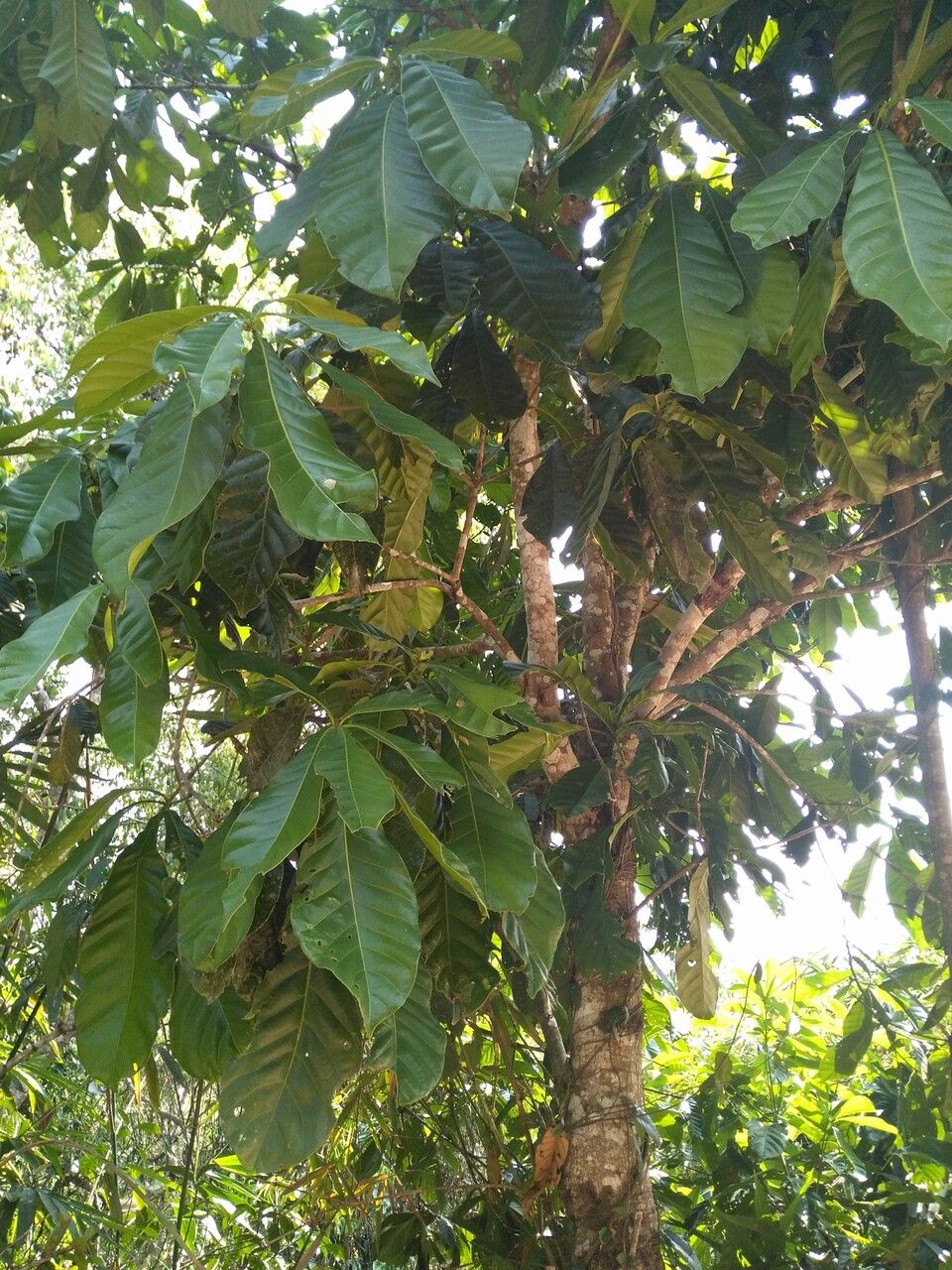
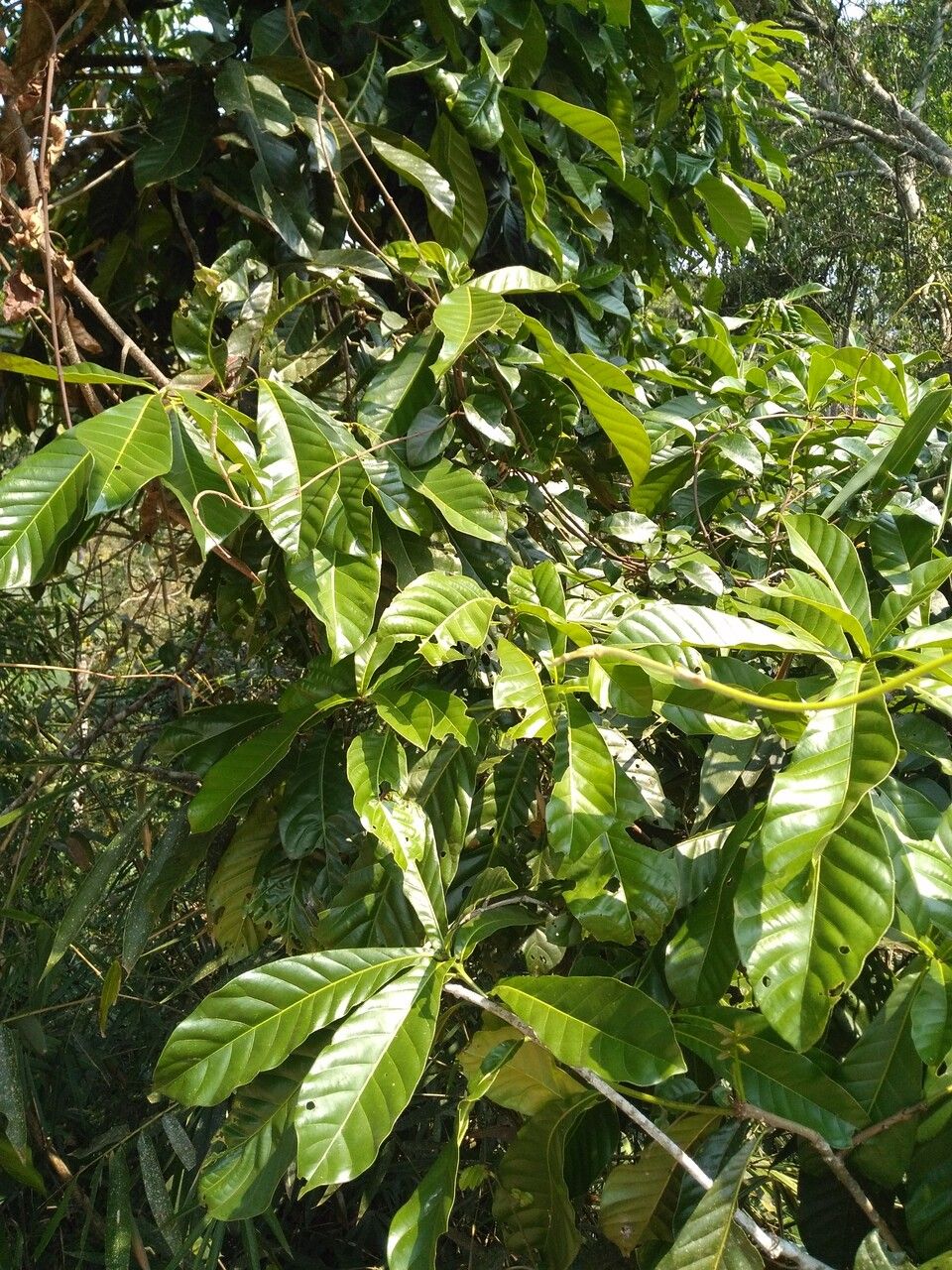
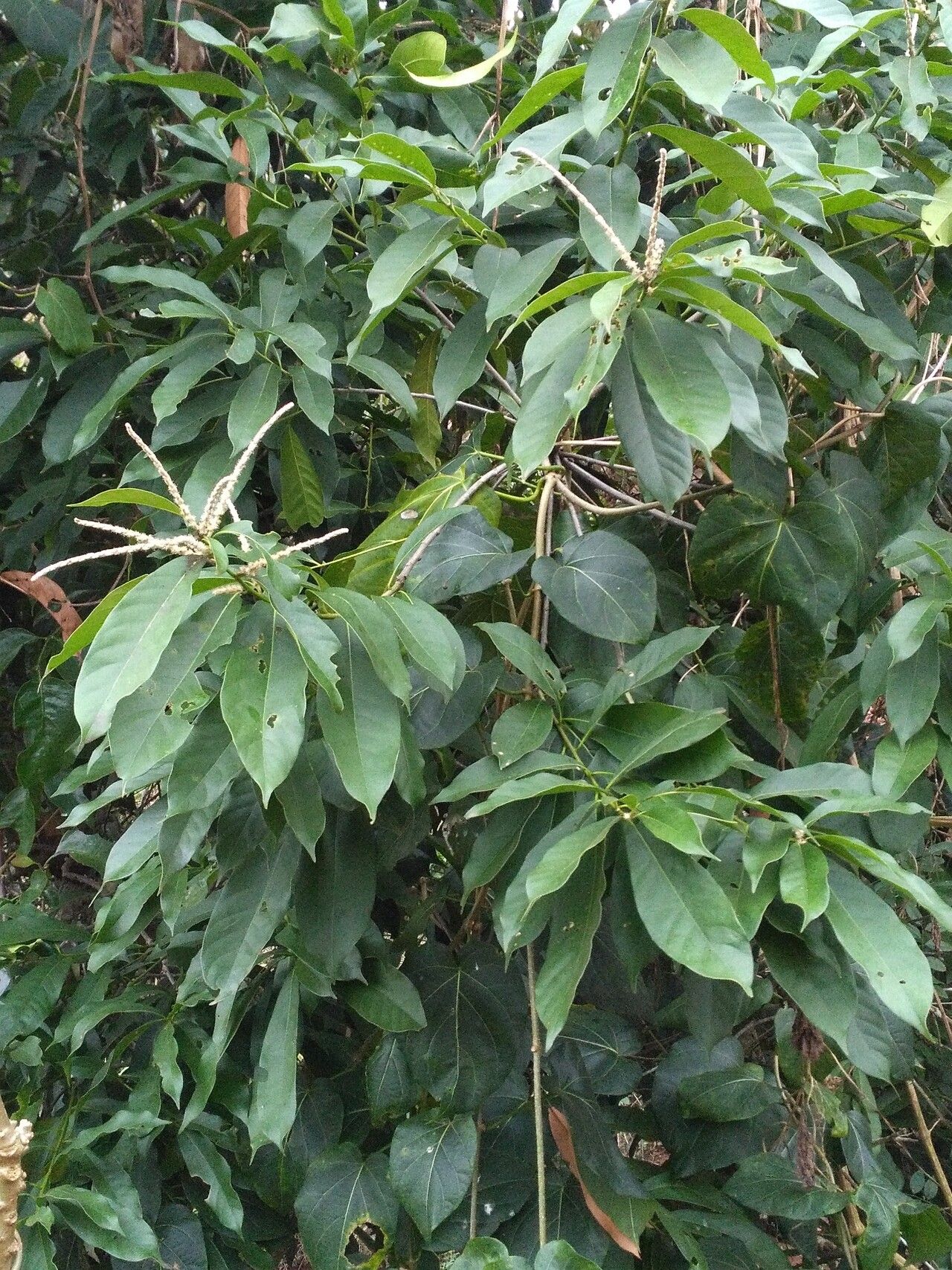
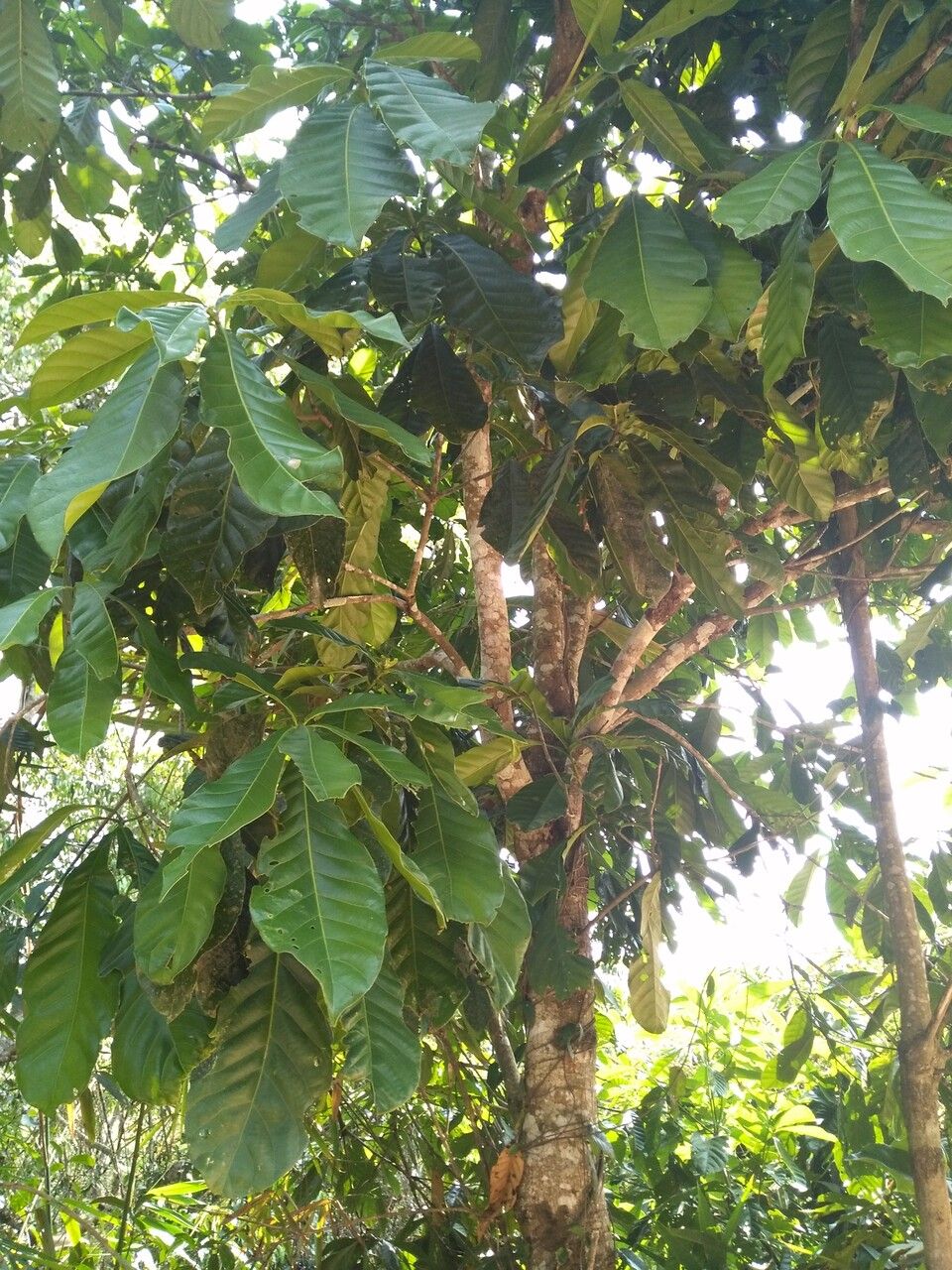
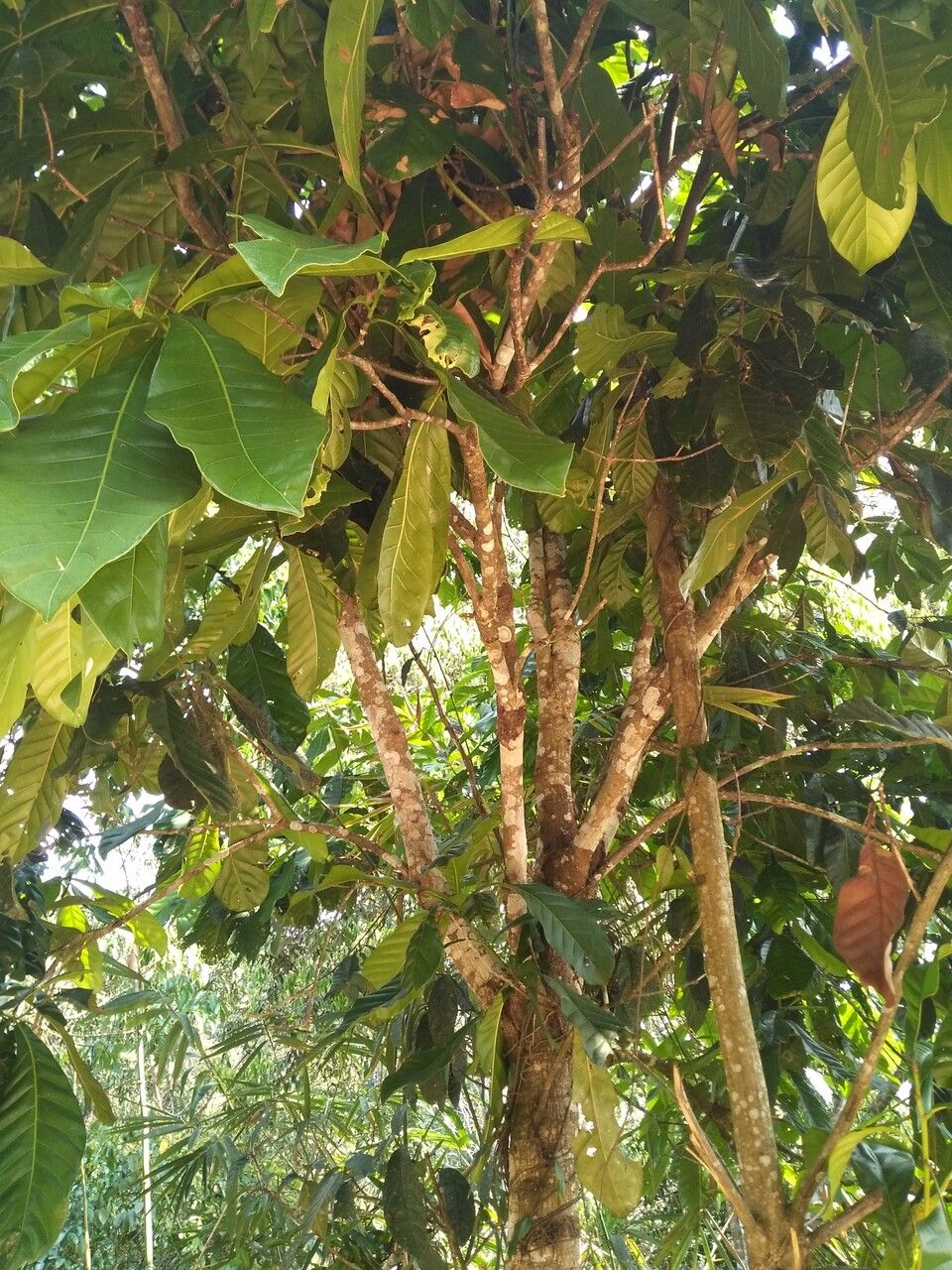
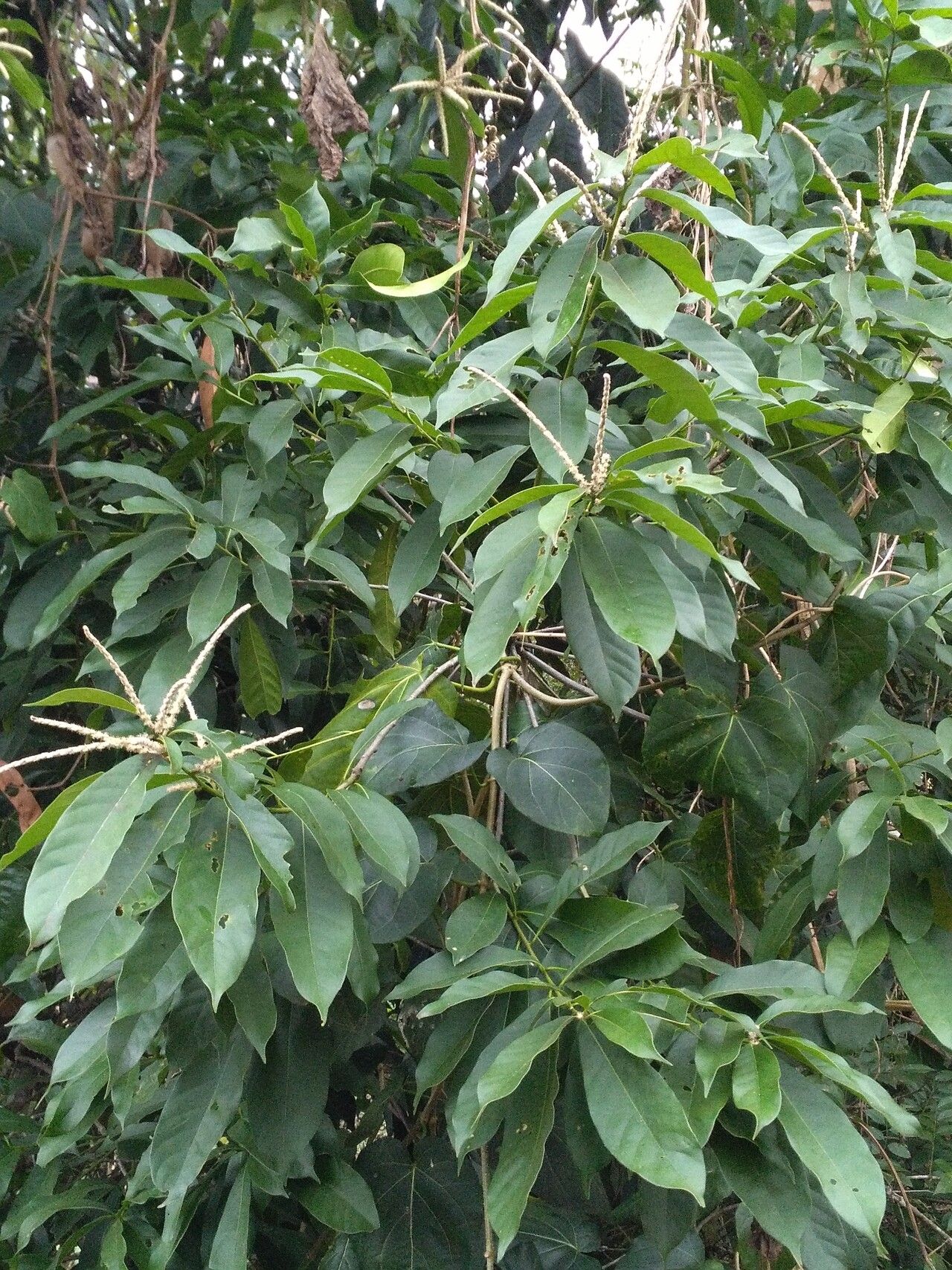
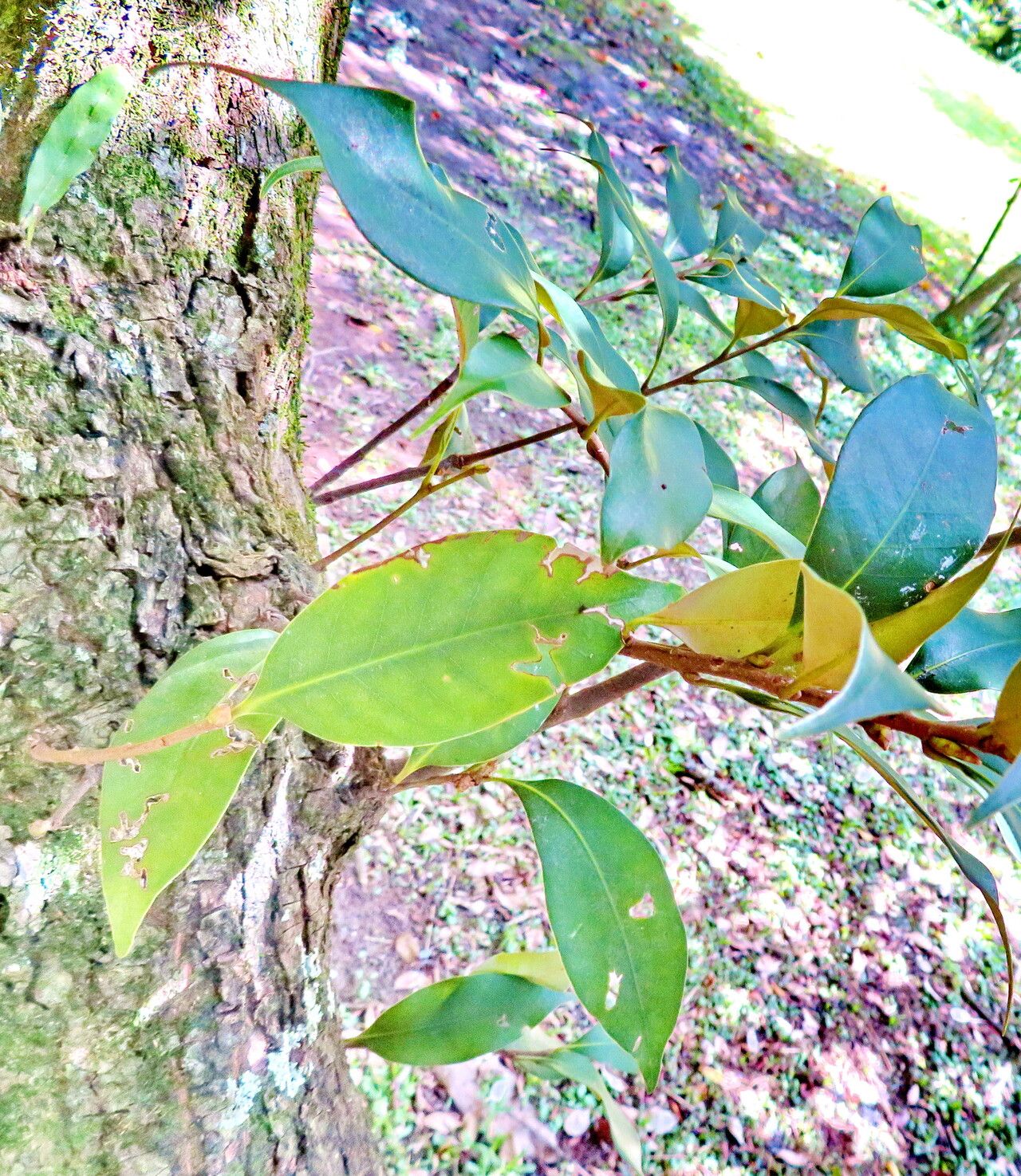
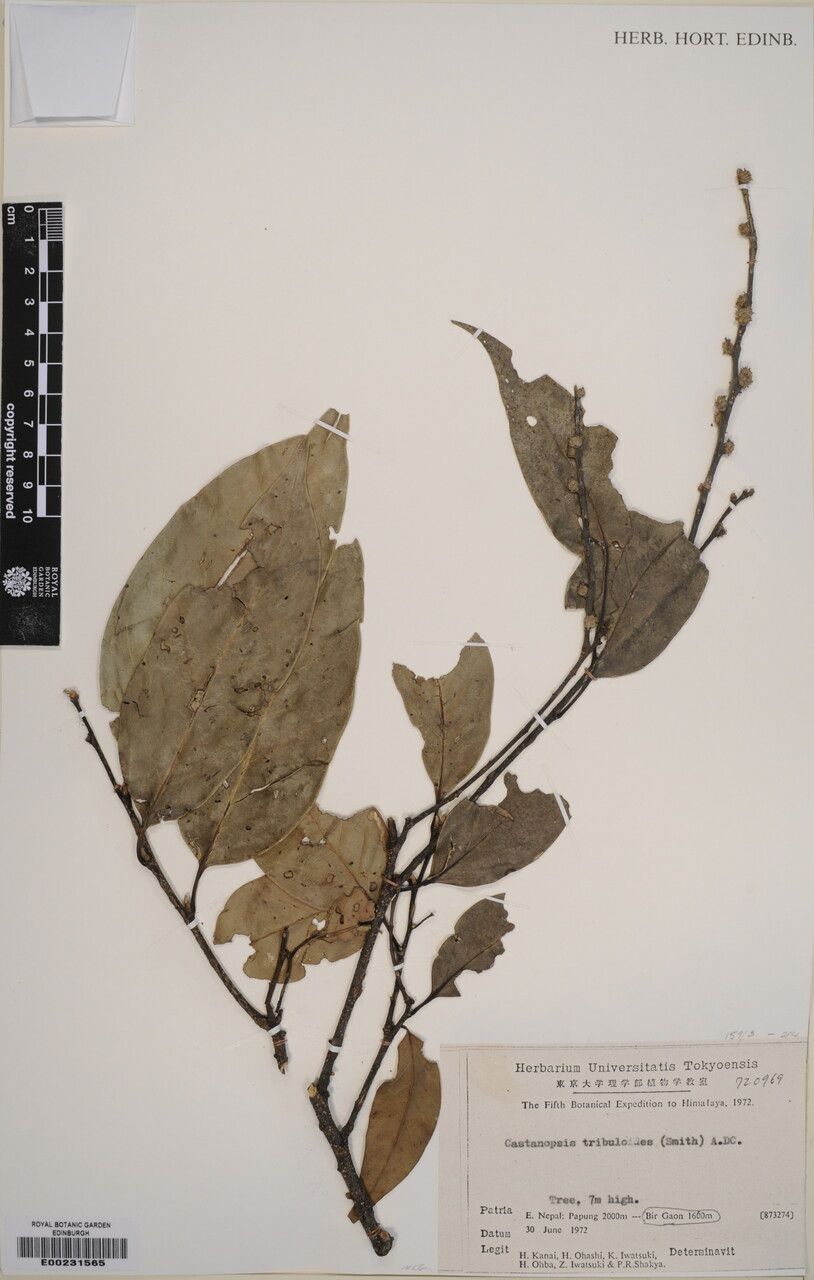
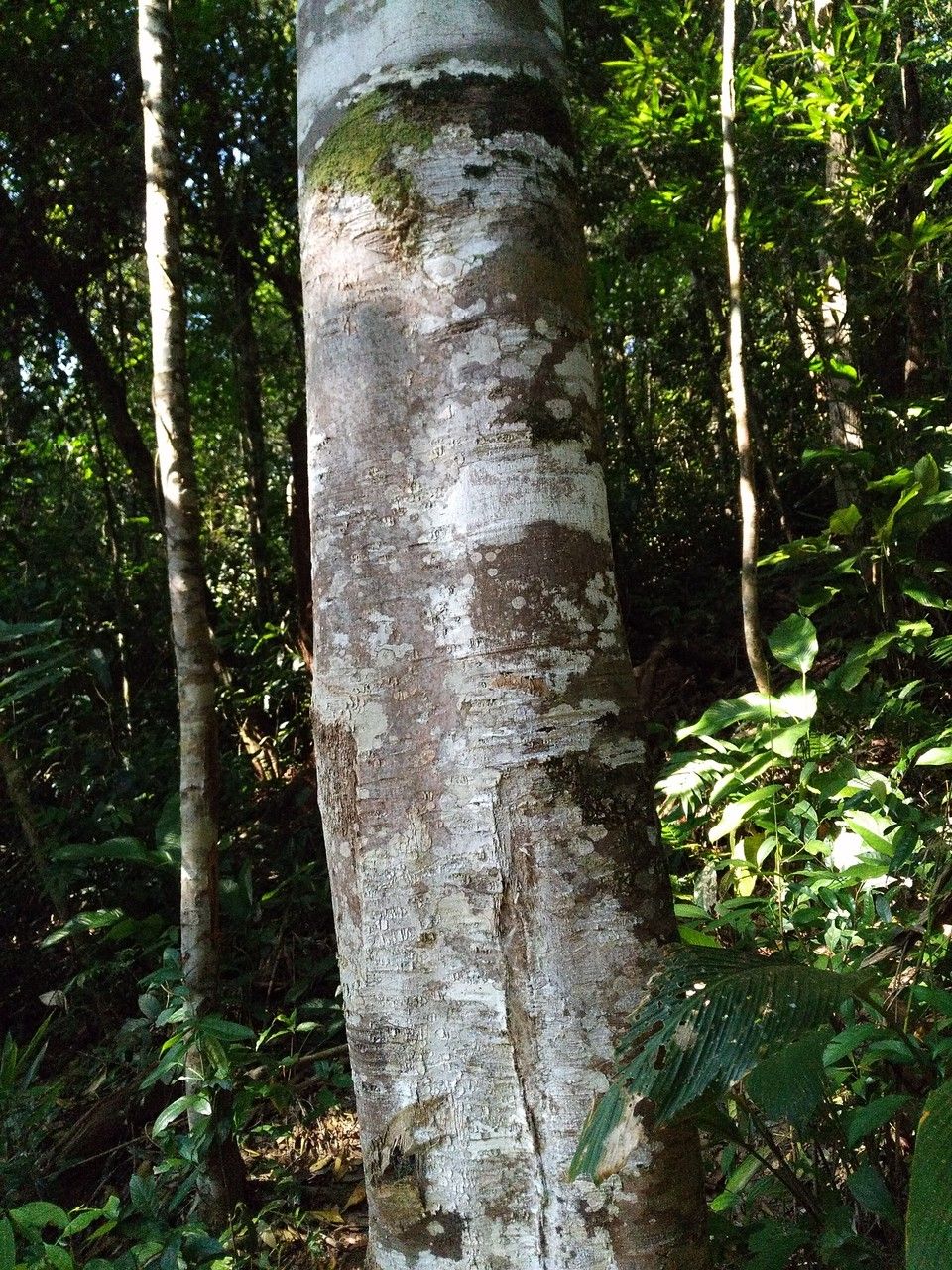
Castanopsis sclerophylla (syn. Lithocarpus chinensis), the Chinese tanbark-oak, is a species of flowering plant in the family Fagaceae, native to southern China. In the wild it is typically found growing in broad-leaved evergreen forests at 200 to 1,000 m (700 to 3,300 ft) above sea level. It is an evergreen tree with glossy, thick leaves and attractive flaky bark, and reaches 20 m (66 ft) in height.The small nuts are edible, and the Chinese process them into a foodstuff similar to tofu. It is used as a street tree in a number of Chinese cities. Hardy to USDA zone 7b, it does well in the southeastern United States, and is offered by several nurseries there under its synonym Lithocarpus chinensis.
The bitter evergreen chinkapin has strong resistance to disease and is generally not susceptible to illnesses. Regarding care, this plant is fairly low-maintenance. When placed outdoors it needs little watering, and larger plants typically do not require pruning. Smaller plants, however, should be pruned after they have finished blooming. Bitter evergreen chinkapint is appropriate for anyone with outdoor space, such as a garden or deck, and does not demand extensive gardening experience.
How to keep Castanopsis Sclerophylla.
Light
Bitter evergreen chinkapin is native to open habitats, like sunny meadows and forest margins, where light is plentiful. It prefers Full Sun but will also tolerate Partial Sun, adapting well to varying light conditions.
Water
The Bitter Evergreen Chinkapin thrives in humid environments and is quite drought-tolerant. Water it every 2-3 weeks, ensuring the soil stays moderately moist. Since it is an evergreen, it retains its foliage all year round, meaning its water needs remain consistent regardless of the season.
Temperature
The bitter evergreen chinkapin shows strong adaptability to a variety of climate conditions, from scorching summers to cold winters. However, it does have a preferred temperature range for growth. If temperatures become excessively high, the plant is vulnerable to heat and humidity stress, which can lead to its death. In areas where temperatures approach the lower limit of its cold tolerance, it is important to provide insulation to protect the plant.
Fertilizer
Fertilize your Bitter evergreen chinkapin in early spring to encourage healthy growth. Regular feeding boosts overall health, producing vigorous growth, greater resilience in challenging conditions, and improved resistance to diseases and pests. Keep to a specific fertilization schedule to maintain vibrant foliage with deep color and a lush look.
Pruning
The bitter evergreen chinkapin is a versatile plant, either growing as a tree or a shrub, known for its glossy leaves and durable wood. To keep it healthy, prune it during the winter. This helps by removing dead branches, improving air circulation, and encouraging robust growth. Regular pruning also maintains the plant's shape, inhibits pests, and boosts its overall vitality. For the best results, use clean, sharp tools while pruning.
Botanical profile.
- Plant Type
- Tree
- Life Cycle
- Perennial
- Genus
- Castanopsis
- Family
- Fagaceae
- Hardiness Zone
- 7
- Mature Height
- 4.88 m to 14.94 m
- Mature Spread
- 7.92 m to 11.89 m
- Leaf Color
- Dark Green, Forest Green
- Leaf Type
- Evergreen
- Flower Size
- 15.24 cm
- Bloom Time
- Mid spring, Late spring
- Planting Time
- Spring, Autumn
- Harvest Time
- Fall
- Native Area
- China
Reader questions.
What are the sunlight requirements for Bitter evergreen chinkapin?
Bitter evergreen chinkapin requires full sunlight, defined as above 6 hours of sunlight daily, to thrive but can also tolerate partial sun, which is about 3-6 hours of sunlight. It's crucial to observe the movement of sunlight through your garden to find spots offering the right balance of light and shade. This species originates from open environments, like sunny meadows and forest edges, which provide ample light. Whether placed in full sun or partial sun, ensuring it receives sufficient sunlight is essential for its optimal growth.
How do you compensate with artificial lighting for indoor Bitter evergreen chinkapin plants?
When natural sunlight is insufficient for indoor Bitter evergreen chinkapin plants, especially in winter or less sunny locations, artificial lighting becomes vital. LED lights are recommended due to their ability to provide specific wavelengths needed for plant growth. The intensity of the artificial light should be 30-50W/sq ft for full sun plants and 20-30W/sq ft for partial sun plants. The light source should be placed 12-36 inches above the plant, mimicking natural sunlight conditions. It's also important to adjust the duration to match the natural daylight hours, generally 8-12 hours per day, to promote healthy growth.
What are the symptoms of light deficiency in Bitter evergreen chinkapin?
Light deficiency in Bitter evergreen chinkapin can lead to several symptoms: smaller new leaves, leggy or sparse growth, early leaf drop, slower or halted growth, and leaves that are paler or have irregular color patterns indicating a lack of chlorophyll. Excessive sunlight can cause chlorosis, where leaves lose their green color and turn yellow; sunscald, which damages leaves or stems; leaf curling as a defense to minimize water loss; wilting due to excessive water loss; and leaf scorching characterized by brown, dry patches on leaves.
How can you effectively increase sunlight exposure for Bitter evergreen chinkapin?
To increase sunlight exposure for Bitter evergreen chinkapin, gradually move the plants to a sunnier location each week until they receive at least 6 hours of direct sunlight daily. For indoor plants, consider positioning them near a south-facing window and use curtains wisely to ensure maximum sunlight. Artificial light can be used as a supplement, keeping lamps on for at least 8 hours a day. For outdoor plants, it's crucial to adapt them gradually to avoid sunburn. Removing obstructions like tree branches can help increase sunlight exposure. If necessary, transplanting smaller plants during their dormant period to a sunnier location may be beneficial for their growth.