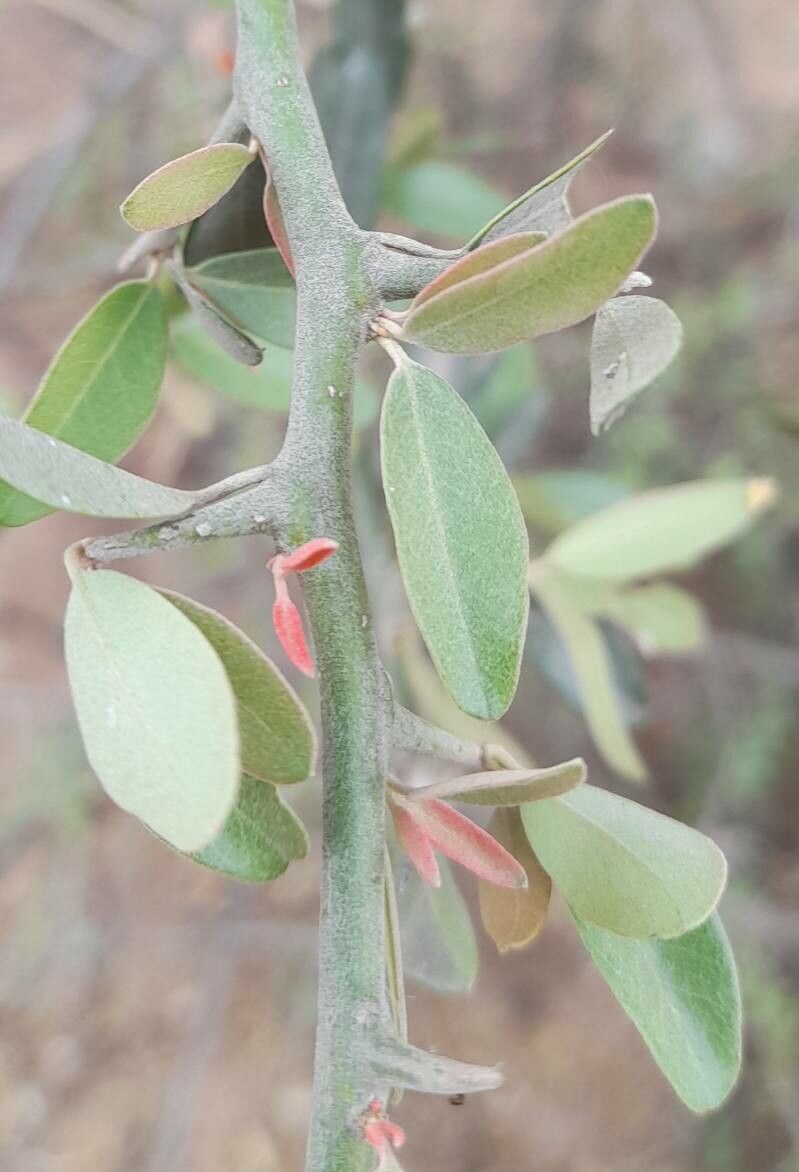
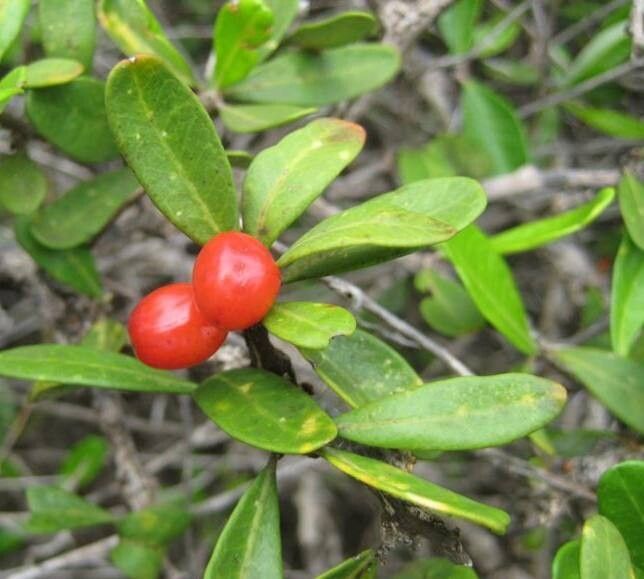
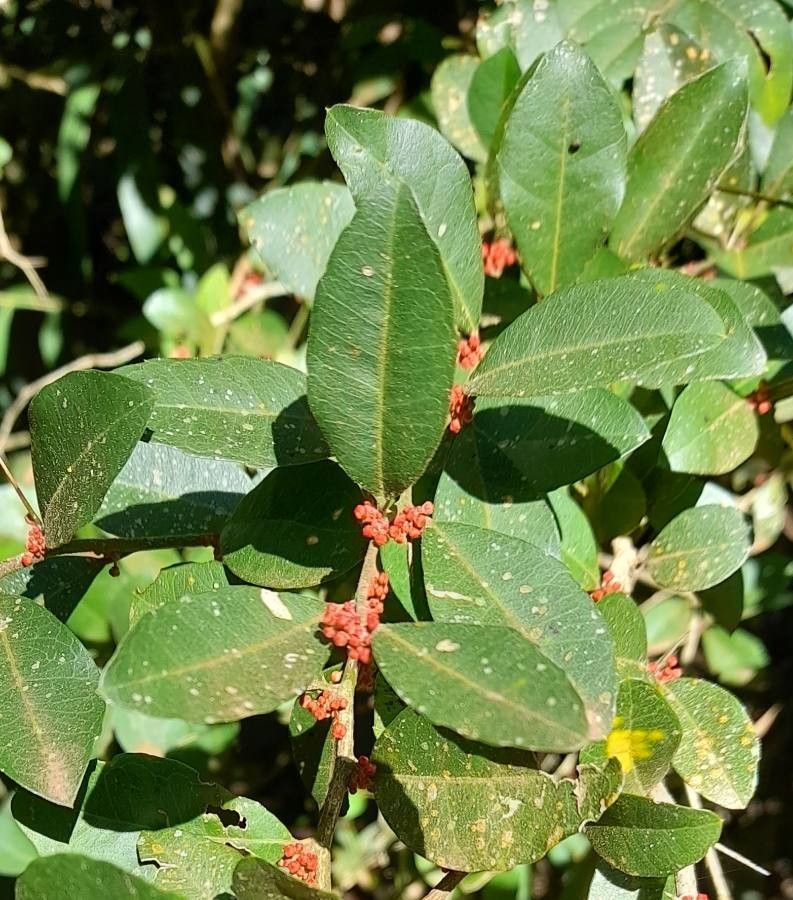
Castela emoryi, with the common names crucifixion thorn and Emory's crucifixion-thorn, is a shrub species in the genus Castela of the order Sapindales.
Crucifixion thorn is resistant to disease and is generally unlikely to suffer from illnesses. In terms of care, this plant is fairly low-maintenance. When grown outdoors it needs only light watering, and larger plants typically do not require pruning. Smaller plants, however, should be pruned after they have finished blooming. Crucifixion thorn is well suited for anyone with an outdoor area, such as a garden or a deck, and does not demand much care experience.
How to keep Castela Emoryi.
Light
Native to bright, sun-drenched habitats, Crucifixion thorn is a tropical woody plant that does best in full sun but can also tolerate partial sun. It commonly grows in open, well-lit areas with minimal shade.
Water
The crucifixion thorn, native to arid regions, thrives with very little moisture and demonstrates a high tolerance for drought. It should be watered moderately, about once every 2-3 weeks. Its ability to efficiently store water allows it to survive in harsh climates, making it an excellent example of resilience among desert plants.
Temperature
Crucifixion thorn naturally occurs in areas with temperatures between 68 and 95 °F (20 to 35 ℃). This temperature range is its preferred growing environment. During colder months, consider supplying extra warmth if temperatures fall significantly below 68 °F (20 ℃).
Fertilizer
Fertilize your Crucifixion thorn in early spring to encourage healthy growth. Regular feeding improves its overall health, producing vigorous growth, greater resilience to harsh conditions, and enhanced resistance to diseases and pests. Keep a consistent fertilization schedule for your Crucifixion thorn to preserve lush foliage with deep, vibrant color.
Pruning
The crucifixion thorn plant is known for its thorny stems and ability to withstand drought. To maintain its health and appearance, it's best to prune it in early spring. Keep trimming to a minimum, focusing primarily on shaping the plant and promoting healthy growth. Regular inspections are crucial to check for any diseases or pests. Pruning helps improve air circulation and allows more light to reach the plant, which in turn encourages its vigor and resilience.
Botanical profile.
- Plant Type
- Tree, Shrub
- Life Cycle
- Perennial
- Genus
- Castela
- Family
- Simaroubaceae
- Hardiness Zone
- 9-10
- Mature Height
- 0.91 m to 3.96 m
- Mature Spread
- 0.91 m to 1.52 m
- Leaf Color
- Gray, Light Gray
- Leaf Type
- Deciduous
- Flower Color
- Yellow, Green
- Flower Size
- 0.25 cm to 0.51 cm
- Bloom Time
- Early spring, Mid spring
- Planting Time
- Spring, Summer, Autumn
- Harvest Time
- Late spring, Early summer, Mid summer
Other names.
Reader questions.
What are the sunlight requirements for the Crucifixion Thorn?
The Crucifixion Thorn (Castela emoryi) thrives best in full sun, requiring more than 6 hours of direct sunlight daily, but it can also tolerate partial sun, which entails about 3-6 hours of sunlight. It's essential to observe the movement of sunlight through your garden to find areas that meet these requirements, ensuring the plant receives the right balance of light and shade for optimal growth. In instances where natural sunlight is insufficient, such as during winter or in less sunny spaces, artificial lighting can be a valuable alternative to promote healthy growth.
What is the preferred growing temperature range for Crucifixion thorn?
The preferred growing temperature range for Crucifixion thorn (Castela emoryi) is between 68 to 95 °F (20 to 35 °C). This range supports its optimal growth and health. If the temperature drops significantly below 68°F (20°C) during colder months, additional warmth may be needed to maintain the plant's well-being.
What are the essential growing conditions for the Crucifixion Thorn?
Native to sun-lit environments, the Crucifixion Thorn requires bright conditions to flourish. In cases where sunlight is limited, particularly indoors or during shorter days, utilizing artificial lights becomes crucial. LED lights are recommended for their efficiency and ability to provide specific light wavelengths needed by plants. For full sun plants, an intensity of 30-50W/sq ft is ideal, while partial sun plants need 20-30W/sq ft. Placing the light source 12-36 inches from the plant and ensuring it receives 8-12 hours of light daily mimics natural sunlight conditions effectively.
Does Crucifixion thorn require any special care during cold weather?
Crucifixion thorn exhibits a moderate level of cold tolerance and generally does not require special care when the temperature is above 0°C. However, if temperatures are expected to drop below 0°C, it's necessary to implement temporary cold protection measures. Wrapping the plant with materials like plastic film, fabric, or using other protection methods can help. It's important to remove these protections once the temperature rises to prevent potential damage to the plant.
What are common symptoms of insufficient light in Crucifixion Thorn, and how can they be addressed?
When the Crucifixion Thorn doesn't receive enough light, several symptoms can appear, including smaller new leaves, leggy growth, faster leaf drop, slowed or halted growth, pale new leaves, chlorosis, sunscald, leaf curling, wilting, and leaf scorching. To combat these issues, gradually introduce your plant to more sunlight or artificial light. Indoors, you can move it to a sunnier spot or use artificial lighting for at least 8 hours a day. Outdoors, aim for a gradual transition to sunnier areas to avoid shock. Removing obstructions like branches or leaves can increase sun exposure. Note that parts of the plant damaged by light deficiency may not recover, but new growth will be healthy with improved lighting.
How does Crucifixion thorn react to low temperatures and what are the solutions?
Crucifixion thorn has a moderate tolerance to low temperatures but thrives best above 20°C. Should temperatures fall below 0°C, measures should be taken to protect it from frost. Exposure to temperatures below -5°C may cause the leaves to droop, and, depending on the severity, leaves can wilt and fall off. To mitigate frost damage, trim off any frost-damaged parts and wrap the plant in non-woven fabric or cloth. Constructing a wind barrier can also protect the plant from cold winds.
How does Crucifixion thorn react to high temperatures and what are the solutions?
During hot summer months, keeping the Crucifixion thorn below 35°C is advisable as temperatures above 41°C can lead to lighter colored leaves, dry and withered leaf tips, curling leaves, and an increased risk of sunburn. To address heat stress, trim away sunburned and dried-up parts of the plant. Relocate the plant to provide shade during the midday and afternoon sun, or use a shade cloth. Additionally, watering the plant in the morning and evening will help keep the soil moist and support the plant’s health.