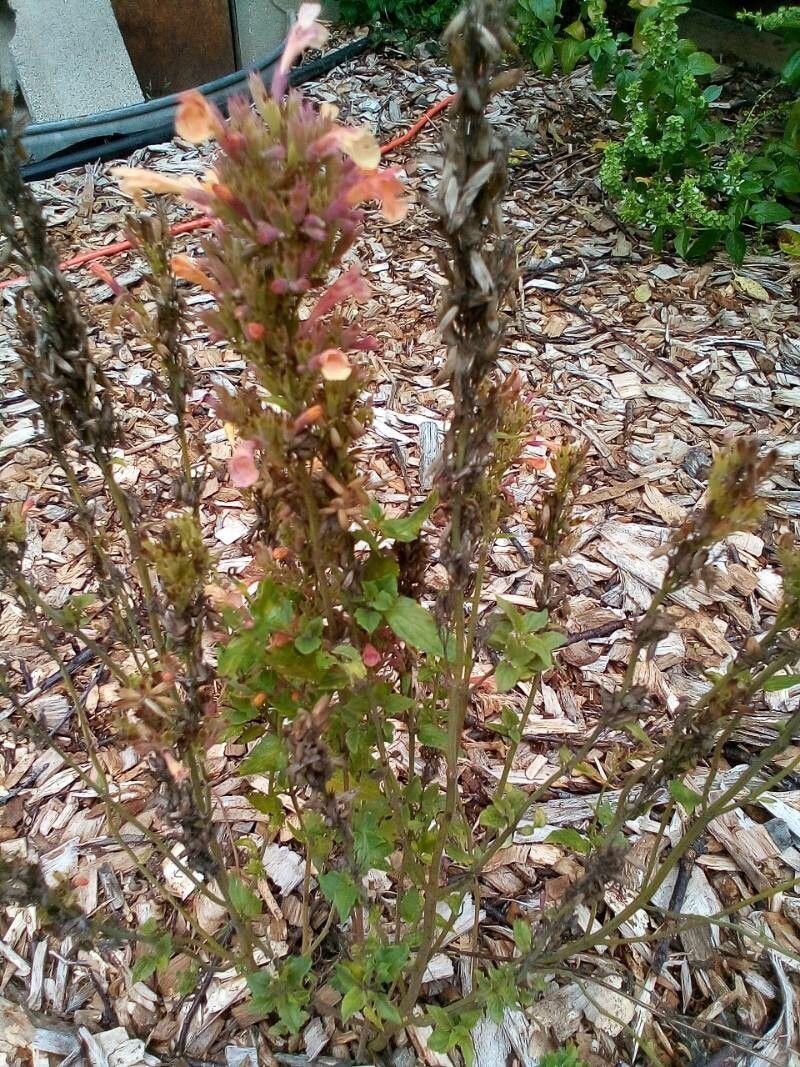
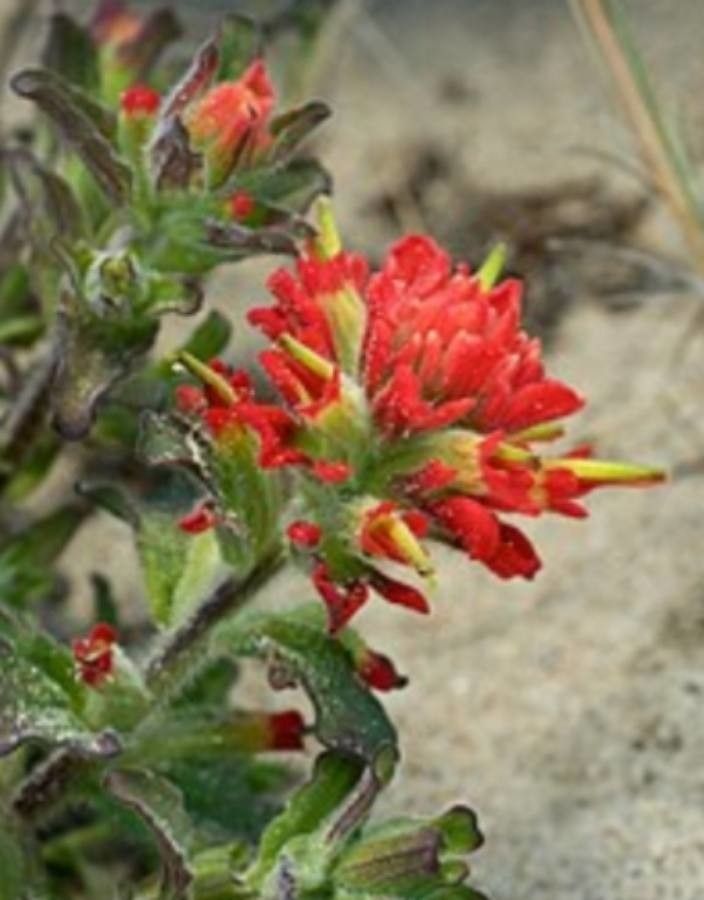
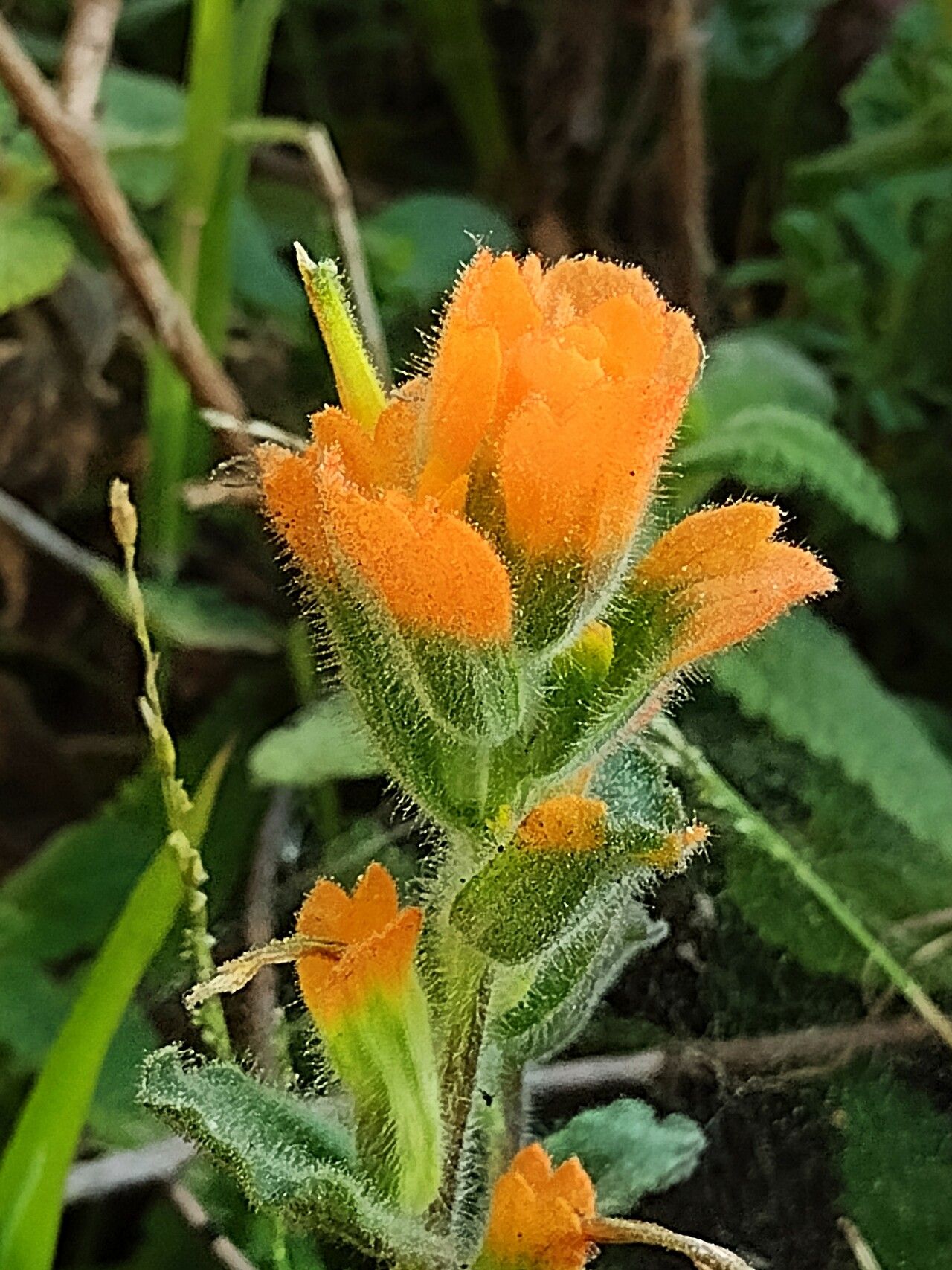
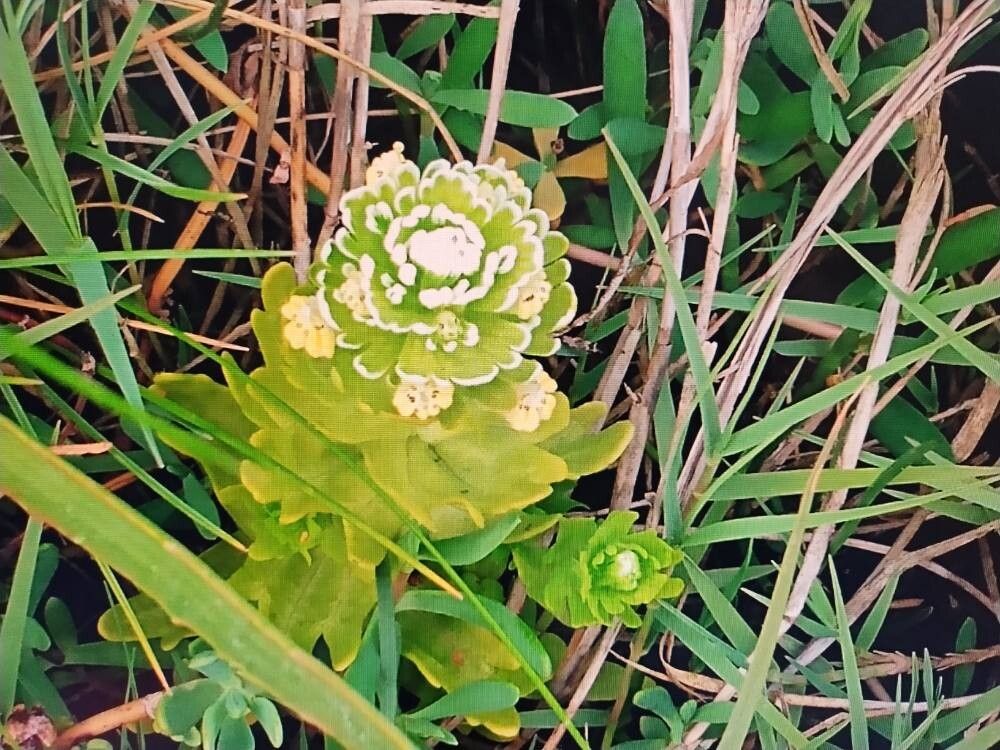
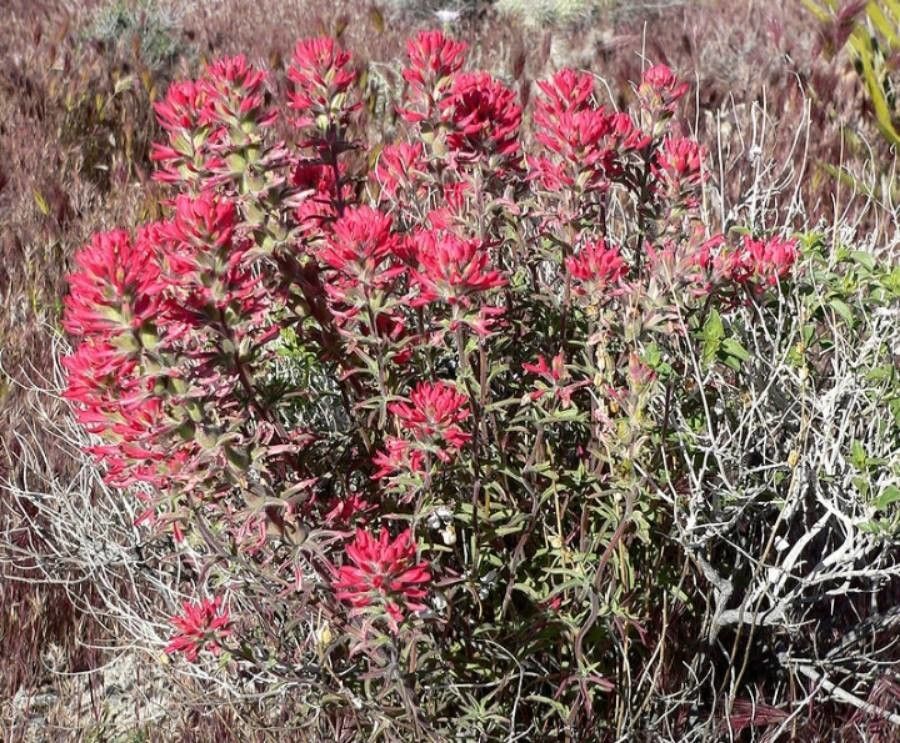
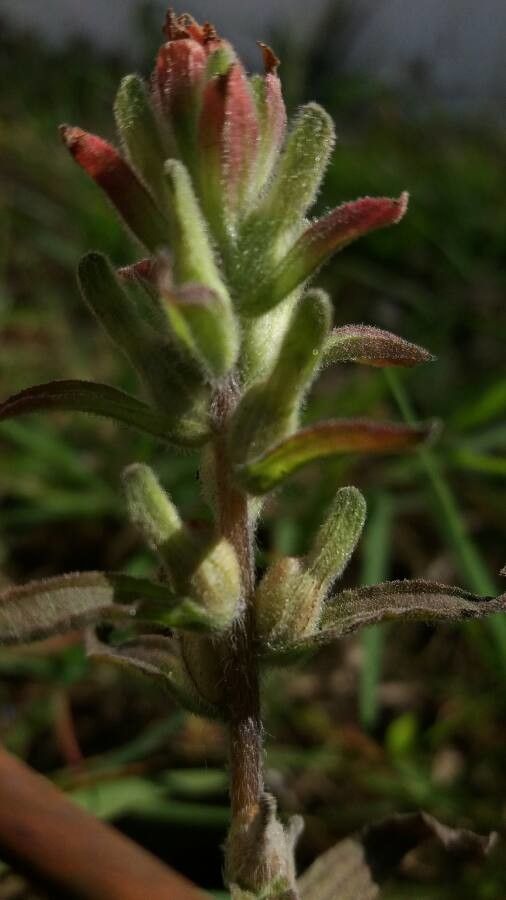
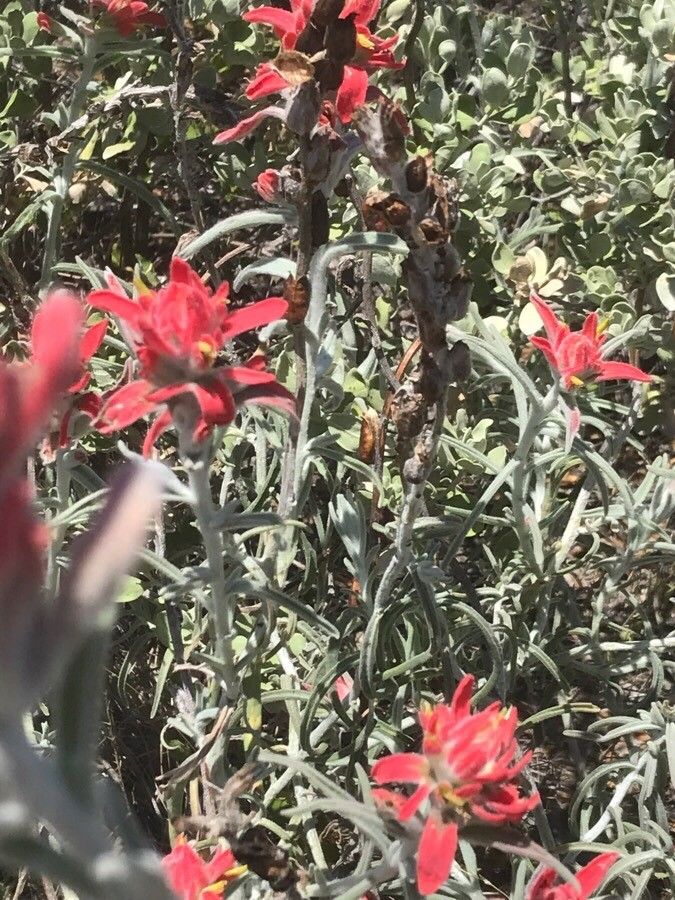
Castilleja affinis is a species of Castilleja known by the common name coast Indian paintbrush. It is native to western North America from Washington to Baja California, where it grows on hills and mountains slopes along the coast and inland.
Coast indian paintbrush is fairly resistant to disease and typically does not suffer from many illnesses. Still, it can be affected by pests and diseases present in its environment. When infections do occur, they are generally mild. Regarding maintenance, this plant needs a moderate level of care. Regular pruning is necessary to keep it looking good and to support healthy growth. Applying fertilizer can also encourage more blooms. Coast indian paintbrush is appropriate for anyone with outdoor areas like a garden or patio and does not demand extensive gardening experience. It may call for more attention if cultivated indoors.
How to keep Castilleja Affinis.
Light
Coast indian paintbrush is a sun-loving, perennial herbaceous species that comes from open habitats and commonly grows in meadows and grasslands. It prefers full sun but can also tolerate partial sun.
Water
The coast Indian paintbrush flourishes in coastal scrub and chaparral environments, where moderate humidity and occasional moisture are common. To mimic its natural habitat, water the plant weekly. For optimal growth and to prevent waterlogging during the rainy season, plant it in sandy loam soil, which ensures proper drainage.
Temperature
Coast indian paintbrush naturally grows in habitats where temperatures generally range from 59 to 90°F (15 to 32 ℃). Its preferred temperature matches that native range. To recreate these conditions year-round, provide a warm summer and a winter that is cool but mild.
Fertilizer
The best time to fertilize a Coast indian paintbrush is in early spring, as it comes out of dormancy and starts active growth. Fertilization supplies essential nutrients for healthy development. Although the Coast indian paintbrush has relatively low fertilizer needs, applying fertilizer once a year can improve its survival and encourage better, longer-lasting blooms.
Pruning
Prune coast Indian paintbrush in early to late spring to encourage healthy growth and more blooms. Concentrate on removing dead stems and spent flower spikes, but avoid heavy pruning to preserve the plant's natural shape. This selective pruning will result in a more robust flowering season for the coast Indian paintbrush.
Botanical profile.
- Plant Type
- Herb
- Life Cycle
- Perennial
- Genus
- Castilleja
- Family
- Orobanchaceae
- Hardiness Zone
- 8
- Mature Height
- 15 cm to 61 cm
- Mature Spread
- 20 cm to 30 cm
- Leaf Color
- Green, Dark Green
- Leaf Type
- Semi-evergreen
- Flower Color
- Red, Orange
- Flower Size
- 5.08 cm to 30.48 cm
- Bloom Time
- Spring, Early summer
- Planting Time
- Spring
- Harvest Time
- Summer
- Native Area
- Mexico
Other names.
Reader questions.
How should I water my Coast Indian paintbrush plant?
When watering the Coast indian paintbrush, it is important to use filtered water at room temperature. Tap water may contain harmful particles, so filtering it is preferable. The water temperature should be warm, as the plant is accustomed to a warm environment and cold water can be a shock. Avoid overhead watering, as it can lead to problems with the foliage. Instead, generously water the soil with room temperature filtered water until it is completely saturated. This helps to nourish the roots and promote their growth and nutrient absorption.
What kind of sunlight does Coast Indian paintbrush require?
Coast Indian paintbrush plants require full sun each day for at least six hours in order to maintain healthy leaves, roots, and blooms. While most perennials also require six hours of sunlight, certain plants like the Orange Daylily or Giant Coreopsis can tolerate a minimum of three hours of sun daily. However, it's important to note that these flowering plants will not thrive as well as they would in sunnier conditions.
What is the native temperature range for Coast Indian Paintbrush?
Coast Indian Paintbrush, scientifically known as Castilleja affinis, thrives in environments where temperatures range from 59 to 90°F (15 to 32°C). Its ideal temperature preference lies within this range, mimicking its natural habitat. This necessitates providing a warm summer and a cool, yet mild winter for the plant to ensure its health and growth. These conditions reflect the plant's inherent adaptation to fluctuating seasonal temperatures.
What should I do if I give too much or too little water to my Coast indian paintbrush?
Overwatering is a common issue for the health of your Coast indian paintbrush and can cause wilting, yellowing, and diseases like root rot, mold, and mildew. Underwatering is less common but can make the leaves brittle and brown. It is crucial to notice signs of overwatering early to prevent irreversible damage. Reduce watering if you see early signs and improve soil drainage if it is poor. If underwatering occurs, simply water more regularly until the signs subside.
Is the sun harmful to Coast Indian paintbrush? How can I protect Coast Indian paintbrush from damage caused by the sun and heat?
In warm climates, some Perennial Flowering Plants may struggle with excessive heat and suffer from sun damage. They can wilt, dry out, or even experience growth problems if they are consistently exposed to the intense afternoon sun. However, not all plants require protection from the light afternoon sun. For those that are harmed by intense afternoon exposure, it is recommended to provide them with some shade in warmer climates. Gardeners can achieve this by planting these plants in areas that do not receive direct heat during the afternoon, such as under trees or behind bushes.
Is Coast Indian Paintbrush cold-resistant?
Yes, Coast Indian Paintbrush exhibits strong cold resistance, making special frost protection measures generally unnecessary during the winter months. However, in conditions where winter temperatures are expected to plummet below -10°C, it becomes crucial to take steps to protect the plant. Protective measures include covering the plant with soil or straw to shield it from extreme cold. It is also advised to water the plant abundantly before the first freeze of autumn to keep the soil moist, which helps prevent drought and water scarcity during the winter and early spring periods.
How often should I give water to my Coast indian paintbrush?
If your Coast indian paintbrush plant is in a pot, you can check if it needs water by sticking your finger into the soil. If the top two to three inches of soil feel dry, it's time to water it. If you're growing the plant outdoors in the ground, you can use the same method to test the soil. When the top few inches of soil have dried out, it's time to water it. In the spring and early fall, watering once a week is usually sufficient. However, during extremely hot weather, you may need to water it twice a week or even more often. It's worth noting that mature and well-established Coast indian paintbrush plants have a remarkable ability to withstand drought.
Should I make sure that Coast Indian paintbrush is not exposed to the sun?
Certain perennial plants require ample sunlight to reach their maximum bloom. However, in warmer climates, some of these plants actually benefit from less sun. For instance, individuals residing in hotter regions might find it beneficial to shade their flowering perennials during the intense afternoon sun, especially during summer months. Although many perennial flowering plants prefer partial shade in the hottest climates, there are exceptions. Take the Giant Coreopsis, for example, as it is not bothered by excessive sun exposure. These plants can flourish even when placed in the full sun during scorching weather.
How does low temperature affect Coast Indian Paintbrush and how can it be managed?
Coast Indian Paintbrush is notably cold-tolerant, with optimal growth when temperatures remain above 15°C. In winter, it's important to keep the plant above -5°C to ensure its health. Exposure to temperatures below -10°C might not show immediate adverse effects during winter, but could potentially result in decreased sprouting or a complete lack of sprouting in spring. Should this occur, the recommended management strategy involves removing any parts of the plant that have failed to sprout in the spring, thus helping the plant to recover and grow new shoots.
How much water does my Coast indian paintbrush plant need?
To properly water your Coast Indian paintbrush, you need to be generous with the amount of water you give. When the top two to three inches of soil are dry, it's time for a thorough watering. Make sure to fully saturate the soil, so that water flows through the drainage holes at the bottom of the pot. If you don't see water draining out, it means you haven't given enough water. On the other hand, you shouldn't let water accumulate in the soil, as this can harm the plant. If there is no water draining through the pot, it could be due to poorly draining soil, which is not good for the plant. When the plant is outside, receiving about 1 inch of rain per week is usually enough.
What will happen if Coast indian paintbrush doesn't get enough sunlight?
If your Coast Indian paintbrush plants do not receive sufficient sunlight, they will show signs of not getting what they need. Specifically, they will produce fewer blooms than they would under full sun. Additionally, some of the plants may develop dry spots on their leaves, but most will still manage to bloom, albeit with smaller and less full flowers.
What are the effects of high temperature on Coast Indian Paintbrush and how can these be mitigated?
During the summer months, it's crucial to ensure that the Coast Indian Paintbrush is not exposed to temperatures exceeding 32°C. Temperatures above 35°C can cause the leaves to lighten in color, curl, become prone to sunburn, and in severe cases, cause the entire plant to wilt and dry out. To mitigate these adverse effects, affected parts should be trimmed away. Relocating the plant to a shaded area or employing a shade cloth to protect it from the midday and afternoon sun helps prevent further damage. Additionally, watering the plant in the morning and evening aids in maintaining soil moisture, thereby supporting the plant's health during high-temperature periods.