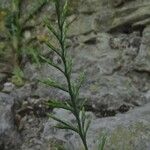
Catapodium rigidum
چمن خشن · Fern grass · Rigid-fescue · Fern-grasses · Hard grass
Description
Source: leafsnapCatapodium rigidum, ferngrass, is a species of annual grass in the family Poaceae (true grasses), distributed around the Mediterranean and the Middle East. It has been widely introduced throughout drier parts of the world, including parts of North America, South America, South Africa, Korea, Australia, and New Zealand. Individuals can reach 20 cm (8 in).
Care Guide
💧 Water
Fern-grass is well-suited to grassland environments, thriving in various moisture levels. For optimal health, however, it benefits from weekly watering. Its robust growth matches local rainfall patterns, making it ideal for regions where water availability mirrors its natural habitat.
What should I do if I give my Fern-grass too much or too little water?
Proper watering is essential for this beautiful ornamental grass to thrive. When planted in the ground, watering issues can be resolved, but in a container, both overwatering and underwatering can quickly kill Fern-grass. Incorrect watering can cause growth stunting, yellow leaves with brown tips when overwatered, and drooping leaves, weak seed head production, and browned leaves when underwatered. If you suspect watering issues, first determine if it's too much or too little water. If it's too much, stop watering immediately, as heavy soils may take weeks to dry out. Test the soil for moisture when new growth appears to decide if more water is needed. If the grasses are receiving too little water, give them a deep drink to see if they perk up. Remember, deep watering is preferable to shallow, frequent waterings. This encourages grasses to develop deep roots, increasing their drought resistance and reducing watering-related problems.
How many times do I need to water my Fern-grass?
The watering needs of Fern-grass vary depending on its location. Generally, it should be watered every week. In hot climates, watering once or twice a week in the summer may be necessary. In moderate climates, watering once every seven days or more may be enough. Grass in containers usually needs more frequent watering than grass in the ground. However, the location also matters because Fern-grass can thrive in full sun or part shade. Shaded grasses need less frequent watering compared to grasses in the ground. Fern-grass should only be watered when the soil is dry. To determine if the soil is dry, you can press your finger into the soil a couple of inches. For potted grass, you can weigh the grass or feel the pot to check if it is light due to lack of water. When the roots lack sufficient water, the grass blades may appear folded along their centers and thinner than usual. Despite its drought tolerance, regular, deep waterings will result in a beautiful color. In the wild, Fern-grass grows in open scrubland exposed to extreme heat, bright sun, and intermittent rain. Although it is drought resistant, it still requires care and attention. Even in harsh, dry conditions, Fern-grass thrives best with consistent water. When first planted, Fern-grass needs more frequent watering until it establishes deep roots. For potted Fern-grass, the soil dries out quickly, especially if the pot is in hot, direct sun for most of the day. Test the soil every 3 to 4 days and water only when it feels dry. For Fern-grass in the ground, the watering frequency depends on the soil type. Heavy clay soil may feel dry at the surface while still retaining moisture below ground, so it needs less watering. Sandy soils that drain quickly require more frequent watering.
What are some things to watch out for when watering my Fern-grass in different seasons, climates, or during different stages of growth?
To determine if you are watering enough, observe the rate of growth of your grasses. Fern-grass tends to double in size during the hottest months of the year. If the weather is hot but the grass is not growing vigorously, you may need to adjust your watering schedule. In winter, you might be able to water only once a month, but always check the soil for moisture. During the warmest months, the grass will require more water than usual. However, in winter and cooler months, the need for water will be significantly reduced. Remember that the soil for Fern-grass should always be completely dry before watering.
☀️ Light Full sun
Fern-grass thrives when it can gather a very large amount of sunlight throughout the day. It can also tolerate conditions where the sun's warmth and light are somewhat limited. Too much or too little light exposure can negatively affect the plant's healthy development.
What are the sunlight requirements for Fern-grass?
Fern-grass, or Catapodium rigidum, thrives best under conditions of full sun, requiring more than 6 hours of sunlight daily, but it can also grow in partial sun, with about 3-6 hours of sunlight. It's crucial to monitor the movement of sunlight through your garden to find spots that offer a perfect balance of light and shade, ensuring the plant's happiness and healthy growth. The plant's ability to absorb a vast amount of sunlight throughout the day, or endure with limited sun exposure, underlies its adaptability, although too much or too little light can negatively affect its development.
How can artificial lighting be used for growing Fern-grass indoors?
When growing Fern-grass indoors, especially in conditions where natural sunlight is insufficient, artificial lighting presents a vital solution. For optimal growth under artificial lights, choose LED lights as they can be tailored to provide specific wavelengths needed by plants. Full sun plants should have 30-50W/sq ft of artificial light, partial sun plants need 20-30W/sq ft, and full shade plants require 10-20W/sq ft. The light source should be placed 12-36 inches above the plant to mimic natural sunlight's effects and kept on for 8-12 hours a day to simulate natural daylight hours, enhancing the plant's growth and health.
What are some common symptoms of inadequate light exposure in Fern-grass?
Inadequate light exposure in Fern-grass can lead to several visible symptoms, including small or lighter-colored new leaves, leggy or sparse growth, faster leaf drop, and slower or no new growth. Additionally, excessive sunlight may cause chlorosis, sunscald, leaf curling, wilting, and leaf scorching. These symptoms range from the physical deformation of leaves to a decrease in the plant's overall health due to either insufficient or excessive sunlight exposure.
What solutions can address light-related issues in Fern-grass?
To address light-related issues in Fern-grass, gradually increase exposure to natural sunlight if the plant is indoors by moving it closer to a south-facing window for at least 6 hours of direct sunlight daily, or use artificial lighting for plants that are large or not easily movable, ensuring the light is on for a minimum of 8 hours. For outdoor plants, move them to sunnier spots progressively each week to prevent sunburn. If sunlight is blocked by physical obstructions, consider pruning or relocating smaller plants to sunnier locations to enhance light exposure. Note that parts of the plant previously affected by insufficient light may not recover, but new growth should be healthy with improved light conditions.
🌡️ Temperature 20–37.8°C
Fern-grass is native to regions where temperatures typically range from 68 to 100.4 °F (20 to 38 ℃). It does best in moderate to high heat and should be sheltered during colder seasons to preserve vigorous growth.
What is the native temperature range for Fern-grass to thrive?
Fern-grass, also known as Catapodium rigidum, is native to regions where the temperatures generally range from 68 to 100.4 °F (20 to 38 °C). It is extremely heat-loving and thrives in moderate to high heat environments. For vibrant growth, it's essential to protect the plant during the colder seasons. Specifically, during autumn, it's recommended to bring outdoor-grown Fern-grass indoors, placing it near a bright window but away from direct contact with heaters. To benefit its growth, maintaining indoor temperatures above 20°C during the winter is advised, while any temperatures nearing 10°C could be detrimental.
How does Fern-grass react to low temperatures?
Fern-grass prefers warm environments and does not tolerate low temperatures well. It performs best when the temperature stays above 20°C. During winter, a crucial care tip is to ensure the temperature where the Fern-grass is kept remains above 10°C to avoid frost damage. Exposure to temperatures below 5°C can lead to the leaves lightening in color. Furthermore, after suffering from frost, the plant's color will gradually turn from brown to black, and it may exhibit symptoms like wilting and drooping. The recommended course of action includes trimming off the frost-damaged parts and immediately moving the plant to a warm, indoor environment. Positioning the plant near a south-facing window ensures it receives ample sunlight without the adverse effects of being too close to heaters or air conditioning vents, which can lead to excessive dryness.
What should be done if Fern-grass is exposed to high temperatures?
During the summer, it is important to monitor and ensure that the Fern-grass doesn't get exposed to temperatures above 38°C. When the temperatures soar beyond 43°C, the leaves may lighten in color, indicating increased susceptibility to sunburn. To mitigate the effects of high temperatures, the sunburned or dried parts of the plant should be trimmed away. To protect the plant from the intense midday and afternoon sun, relocate it to a shaded area. Additionally, watering the plant during the cooler morning and evening hours can help keep the soil adequately moist and reduce the strain of high temperatures on the plant.
💨 Humidity
🪴 Soil 6-7
🌱 Fertilizer
🪴 Pot & Repot
✂️ Pruning
Fern-grass is a tufted grass ideal for rockeries and dry gardens. To encourage fresh growth and improve air circulation, which helps reduce disease risk, prune it in early to late spring. Cut it back to one-third of its height using sharp, sterilized shears for clean cuts. For the best care guidelines, consider consulting sources like the Royal Horticultural Society (RHS).
🌿 Propagating
🐛 Diseases & pets
☠️ Toxicity
Characteristics
- Plant Type
- Grass
- Life Cycle
- Annual
- Genus
- Catapodium
- Family
- Poaceae
- Hardiness Zone
- 11
- Mature Height
- 5 cm to 20 cm
- Mature Spread
- 5 cm to 15 cm
- Leaf Color
- Light Green, Yellow Green
- Leaf Type
- Semi-evergreen
- Flower Color
- Yellow, Green
- Flower Size
- 1.02 cm to 7.62 cm
- Bloom Time
- Mid spring, Late spring, Early summer
- Planting Time
- Spring, Summer, Autumn
- Harvest Time
- Summer
- Native Area
- Libya, Djibouti, Egypt, Turkey, India, Montenegro, Pakistan, Slovenia, Morocco, Croatia, Yemen, Russia, Iraq, Oman, Belgium, Portugal, Netherlands, Saudi Arabia, France, Tunisia, Cyprus, Bulgaria, Armenia, Greece, Lebanon, Serbia, Syria, Italy, Spain, Switzerland, Iran, Albania, Ireland, United Kingdom, Algeria, Azerbaijan