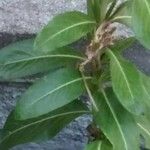
Catharanthus roseus
پریوش · Periwinkle · Vinca · Sadabahar · নয়নতারা
Description
Source: leafsnapCatharanthus roseus, commonly known as Madagascar periwinkle, is a notable plant species belonging to the Apocynaceae family. This perennial herb can grow up to 1 meter tall and features glossy green leaves and attractive pink or white flowers. Native to Madagascar, it has been widely cultivated in tropical and subtropical regions around the world. Catharanthus roseus contains several alkaloids, including vincristine and vinblastine, which are used in cancer treatment. Additionally, the plant exhibits medicinal properties such as antidiabetic, antihypertensive, and anti-inflammatory effects. The cultivation of Catharanthus roseus requires well-drained soil with moderate moisture levels. It thrives in full sun exposure but can also tolerate partial shade. The plant can be propagated through seeds or stem cuttings. Overall, Catharanthus roseus is an attractive ornamental plant with significant medicinal properties, making it important for both horticulture and the pharmaceutical industry.
💡 This flower represents happy memories, faithfulness, and youth. People born with this birth flower are believed to be brave and strong. There is a touching story about the philosopher Rousseau and his connection to this flower. As a child, he saw it for the first time while walking with his mother. Many years later, he climbed a mountain with friends and encountered the flower once more. He picked some to preserve as a cherished memory of his mother.
🌳 Annual Vinca is known for a lesser-known role as a natural insect repellent due to its alkaloid compounds. Additionally, the plant has been found to have geomantic applications, revealing the presence of heavy metals in soil and presenting an eco-friendly option for environmental assessments. This distinctive capability is vital for bioremediation studies and for preventing soil pollution.
🎭 Pleasant memories, loyalty, youthfulness, innocence, vigor
Care Guide
💧 Water Every 7 days
Madagascar periwinkle thrives in tropical environments, favoring consistent moisture and high humidity. To keep the soil optimally hydrated, it is best to water the plant twice a week. As an evergreen, the Madagascar periwinkle flourishes indoors, where humidity and water levels can be easily controlled, ensuring vibrant growth throughout the year.
When Should I Water My Madagascar Periwinkle?
Timely and adequate watering of Madagascar Periwinkle, Catharanthus roseus, is crucial for its health and growth, fostering strong root development and vibrant flowering. It's best to water when the top one to two inches of soil are dry. Observing the plant's leaves can also indicate its need for water; wilted or discolored leaves suggest dehydration. A reduction in flowering or slow growth rate may also hint at the need for more water. However, avoid watering too frequently to prevent root rot. Pay attention to both under-watering and over-watering as they stress the plant, potentially leading to stunted growth, low flower yield, or susceptibility to diseases and pests. The key to maintaining a healthy Madagascar Periwinkle is understanding its water needs, which can vary with environmental conditions.
How Should I Water My Madagascar Periwinkle?
Watering Madagascar Periwinkle involves specific techniques to ensure optimal hydration without over-watering. Utilizing the bottom-watering method allows the plant's roots to absorb moisture from the bottom up, avoiding excess surface moisture that can lead to fungal diseases. If using a watering can, opt for one with a narrow spout to direct water flow to the base of the plant, minimizing foliage moisture. This targeted watering approach helps in maintaining healthy hydration levels for Madagascar Periwinkle.
How Much Water Does Madagascar Periwinkle Really Need?
Madagascar Periwinkle, adapted to the hot and dry climate of Madagascar, requires careful watering to avoid overwatering. The plant's size and the pot's size affect its watering needs, with larger plants generally requiring more water. Given its shallow root system, ensure thorough soil soaking without waterlogging. Signs of optimal watering include vibrant coloration and steady growth. Although Madagascar Periwinkle can withstand periods of drought, both underwatering and overwatering can pose risks, the latter potentially leading to root rot. Adjust watering volume according to the plant's and pot's size, and ensure good drainage to prevent waterlogging.
What Kind of Water is Best for Madagascar Periwinkle?
The best types of water for Madagascar Periwinkle are distilled water or rainwater, as they are free from chemicals and additives that could harm the plant. If these are not available, tap water left to sit for about 24 hours to dechlorinate is a suitable alternative. Plants can be sensitive to tap water with high fluoride or heavy metal content, so testing might be necessary in areas with heavily treated water. Water temperature is not a critical factor, but lukewarm water is preferable to avoid shocking the plant's roots. Madagascar Periwinkle prefers soft water, as hard water can lead to stunted growth.
How Do Madagascar Periwinkle's Watering Needs Change with the Seasons?
Madagascar Periwinkle's watering needs vary with the seasons. In spring, as the plant exits dormancy, it requires more water to support new growth. During the active growth phase in summer, maintain consistent soil moisture but avoid overwatering. In autumn, as Madagascar Periwinkle prepares for dormancy, reduce watering, allowing the top layer of soil to dry out. Winter marks a period of substantial decrease in watering needs; water sparingly, keeping the soil dry but slightly moist, and adjust for indoor heating effects that might dry out the plant.
☀️ Light Full sun
The annual Vinca grows best with plenty of sunlight. This light promotes strong growth and boosts flowering. If given less sun, it can still survive but will produce few flowers. Because it comes from sunny habitats, it does not tolerate low light well; low-light conditions can result in weak growth and greater susceptibility to disease, so a substantial amount of sunlight is preferred.
What are the sunlight requirements for Madagascar periwinkle?
Madagascar periwinkle requires full sunlight to thrive optimally, which means it should receive above 6 hours of sunlight daily. However, it can also grow in partial sun, defined as about 3-6 hours of sunlight a day. It's important to observe the movement of sunlight through your garden to identify spots that offer a good balance of light and shade, ensuring the plant's wellbeing. Ample sunlight encourages strong growth and enhances flowering, whereas insufficient sunlight can lead to poor flowering, weak growth, and a higher susceptibility to diseases.
How can artificial lighting support the growth of Madagascar periwinkle indoors?
When natural sunlight is insufficient, especially during winter or in less sunny spaces, artificial lighting becomes crucial for the growth of indoor Madagascar periwinkle plants. LED lights are recommended as they can be adjusted to provide specific wavelengths needed by plants. Full sun plants require 30-50W/sq ft, partial sun plants need 20-30W/sq ft, and full shade plants require 10-20W/sq ft of artificial light. The light source should be placed 12-36 inches above the plant to mimic natural sunlight, and the duration should match the length of natural daylight hours for the species, typically 8-12 hours per day.
What are the symptoms of insufficient light for Madagascar periwinkle?
Insufficient light can lead to several growth issues for Madagascar periwinkle, including reduced flowering and fruiting, leggy or sparse growth, development of smaller and lighter-colored new leaves, and symptoms of chlorosis where leaves lose their green color and turn yellow. The plant may also experience sunscald, leaf curling, wilting, and leaf scorching due to excessive sunlight exposure or insufficient adaptation to bright conditions. These symptoms indicate the plant's struggle with the environment, affecting its overall health and development.
What solutions can help improve light exposure for Madagascar periwinkle?
To improve light exposure for Madagascar periwinkle, gradually transition the plants to sunnier locations, increasing direct sunlight exposure to at least 6 hours daily. Indoors, consider using artificial light sources for plants that are large or non-movable, ensuring they receive ample light for at least 8 hours daily. Outdoors, gradually acclimatize plants to brighter spots to prevent sunburn. Pruning obstacles like trees can increase sunlight access. If needed, transplant smaller plants during their dormant period to better-lit locations with ample sunlight and good drainage. It's vital to make adjustments gradually and ensure suitable conditions for new growth while acknowledging that parts of the plant affected by previous low light may not recover.
🌡️ Temperature 20–37.8°C
The annual Vinca performs best in its native growing environment at temperatures of 20 to 38 ℃ (68 to 100.4 ℉). It prefers warm conditions and can become stressed if temperatures fall below 18 ℃ (64.4 ℉). In winter, keeping the temperature near 20 ℃ (68 ℉) is advised to prevent damage from cold drafts.
What are the ideal growing conditions for Madagascar periwinkle?
The Madagascar periwinkle, or Catharanthus roseus, flourishes best in its native environment with temperatures ranging from 20 to 38°C (68 to 100.4°F). It is a warm-temperature loving plant and experiences stress when temperatures drop below 18°C (64.4°F). To protect the plant from cold drafts during winter, it is advised to maintain the temperature around 20°C (68°F). Madagascar periwinkle is extremely heat-tolerant, but it is vulnerable to cold. In autumn, plants grown outdoors should be brought inside and placed near a bright window, albeit at a distance from heaters, to keep temperatures comfortably above the recommended range for winter.
What are the symptoms of exposure to low temperature in Madagascar periwinkle?
Madagascar periwinkle shows a preference for warm conditions and struggles with low temperatures. It thrives when temperatures are kept above its suitable growth minimum. During winter, ensuring temperatures stay above its tolerable growth minimum is crucial. Exposure to temperatures below its growth limit leads to visible stress symptoms, including a lightening of the leaf colors. Following frost damage, leaves may turn brown or black, and the plant might exhibit wilting and drooping symptoms.
How can you treat Madagascar periwinkle affected by low temperature?
For Madagascar periwinkle affected by low temperature, the immediate steps include trimming off the frost-damaged areas and moving the plant to a warmer indoor setting. This helps in cold protection. Placing the plant near a south-facing window ensures it receives enough sunlight. It's also important to avoid placing the plant too close to heaters or air conditioning vents as this might cause the air around it to become overly dry.
What are the symptoms of exposure to high temperature in Madagascar periwinkle?
When exposed to high temperatures, especially above its suitable maximum, Madagascar periwinkle's leaves might lighten in color, and the plant becomes at risk of sunburn. This indicates that the plant is struggling with the excessive heat.
How can you treat Madagascar periwinkle affected by high temperature?
To treat Madagascar periwinkle affected by high temperatures, it's advised to trim away any parts that have become sunburned or dried up. Relocating the plant to a shaded area, especially away from harsh midday and afternoon sun, can prevent further damage. Additionally, watering the plant in the morning and evening helps keep the soil moist, assisting in its recovery from heat stress.
💨 Humidity normal (40-60%)
This plant will thrive in moderate humidity, which is probably the level in your home. However, misting it a few times a week can be very beneficial. Make sure the room has good ventilation.
🪴 Soil 6-6
🌱 Fertilizer
Proper fertilization is essential for Annual Vinca's health and appearance. Fertilize Annual Vinca during the summer, repeating the application monthly throughout the season. Nutrients supply the energy for growth and help maintain the plant's parts. Fertilization improves Annual Vinca's flowering, ensuring the best blooms.
🪴 Pot & Repot 2-3 years
When repotting Annual Vinca, pick a pot 1-2 inches (2.5–5.1 cm) larger with good drainage. Use a well-draining potting mix. Repot in spring or fall, making sure the root ball sits slightly below the rim of the flower pot. Water thoroughly after repotting and put the plant in a warm site with indirect sunlight.
✂️ Pruning
Madagascar periwinkle benefits from pruning in early spring or late winter, which encourages healthy growth and fuller foliage. To promote better branching, trim away dead stems and pinch back new shoots. This not only enhances the plant's appearance but also improves air circulation, reducing the risk of pests and diseases.
🌿 Propagating
🐛 Diseases & pets
☠️ Toxicity
Characteristics
- Plant Type
- Herb
- Life Cycle
- Perennial, Annual
- Genus
- Catharanthus
- Family
- Apocynaceae
- Hardiness Zone
- 9-12
- Mature Height
- 10 cm to 91 cm
- Mature Spread
- 10 cm to 91 cm
- Leaf Color
- Green
- Leaf Type
- Evergreen
- Flower Color
- Pink, White, Purple
- Flower Size
- 2.03 cm to 5.08 cm
- Bloom Time
- All year round
- Planting Time
- Spring, Summer
- Harvest Time
- All year round
- Native Area
- Madagascar