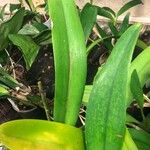
Cattleya trianae
Christmas orchid · Winter cattleya
Description
Source: leafsnapCattleya trianae, commonly known as the Christmas orchid, is a species of orchid native to Colombia. This plant is popular for its large, showy flowers that bloom during the winter months. The flowers are typically pink or lavender with a white or yellow center, and they emit a sweet fragrance. Cattleya trianae thrives in bright but indirect light and requires moderate watering, with periods of dryness in between. It is usually grown in pots or mounted on slabs of bark or wood. This setup supports optimal growth. The Christmas orchid has also been widely hybridized with other Cattleya species, resulting in many beautiful cultivars that are highly sought after by collectors and enthusiasts alike.
Care Guide
💧 Water Every 7 days
☀️ Light Partial sun
The Christmas orchid naturally occurs in habitats like forest understories or rocky sites, where it is exposed to natural shade. It prefers partial sun but can tolerate full sun or full shade, showing its versatile and hardy nature.
🌡️ Temperature 20–37.8°C
The Christmas orchid does well in warm surroundings. It prefers moderately high temperatures but not extreme heat and humidity. Sunlight helps warm the plant and encourages flowering. However, extended periods of direct sun in summer can cause sunburn, so it’s important to limit its sun exposure during that season. The plant typically copes poorly with cold, so it needs sufficient protection and warmer conditions in winter to avoid freezing.
💨 Humidity
🪴 Soil 5-6
🌱 Fertilizer
Proper fertilization is essential for a Christmas orchid’s health and appearance. Fertilize the Christmas orchid in summer, repeating the application monthly throughout the summer. Nutrients provide the energy needed for growth and support the plant’s parts. Fertilizing improves the orchid’s flower display, ensuring the best blooms.
🪴 Pot & Repot
When repotting a Christmas orchid, select a pot that is slightly larger and has good drainage, preferably a clear orchid pot. Use an orchid-specific, well-draining mix that includes bark or moss. Carefully clean the roots and trim any that are dead or rotting. Repot after the plant has finished flowering, typically in spring or fall. Water thoroughly and place in bright, indirect light. Once repotted, avoid disturbing the roots.
✂️ Pruning
🌿 Propagating
🐛 Diseases & pets
☠️ Toxicity
Characteristics
- Plant Type
- Herb
- Life Cycle
- Perennial
- Genus
- Cattleya
- Family
- Orchidaceae
- Hardiness Zone
- 10-12
- Mature Height
- 49 cm
- Mature Spread
- 49 cm
- Leaf Color
- Medium Sea Green
- Leaf Type
- Evergreen
- Flower Color
- Lavender, Pink
- Flower Size
- 15.24 cm to 20.32 cm
- Bloom Time
- Mid winter, Late winter, Early spring, Mid spring
- Planting Time
- Spring, Summer, Autumn
- Harvest Time
- Mid spring, Late spring, Early summer, Mid summer
- Native Area
- Colombia