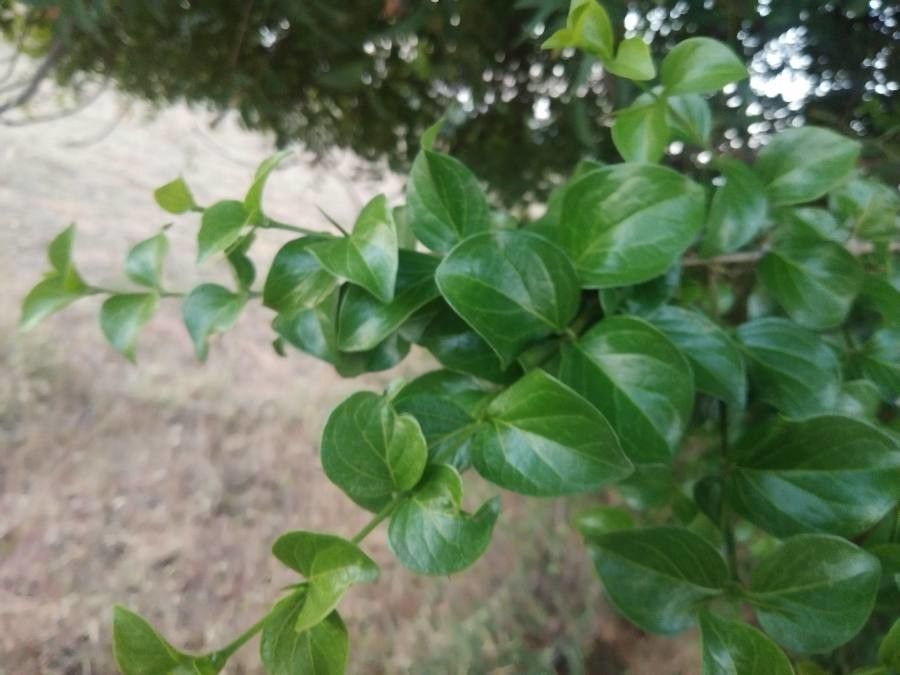
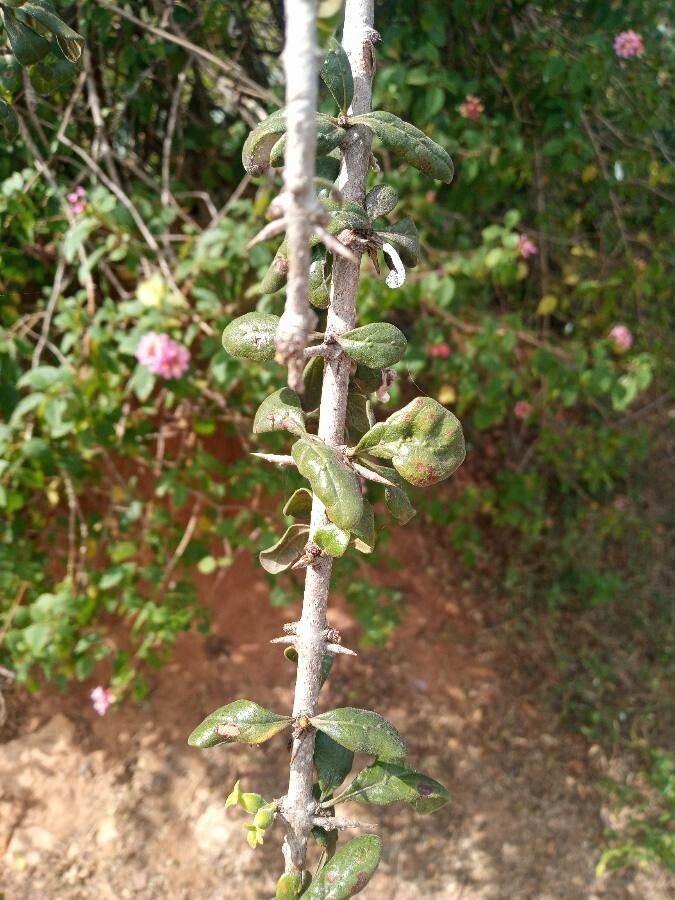
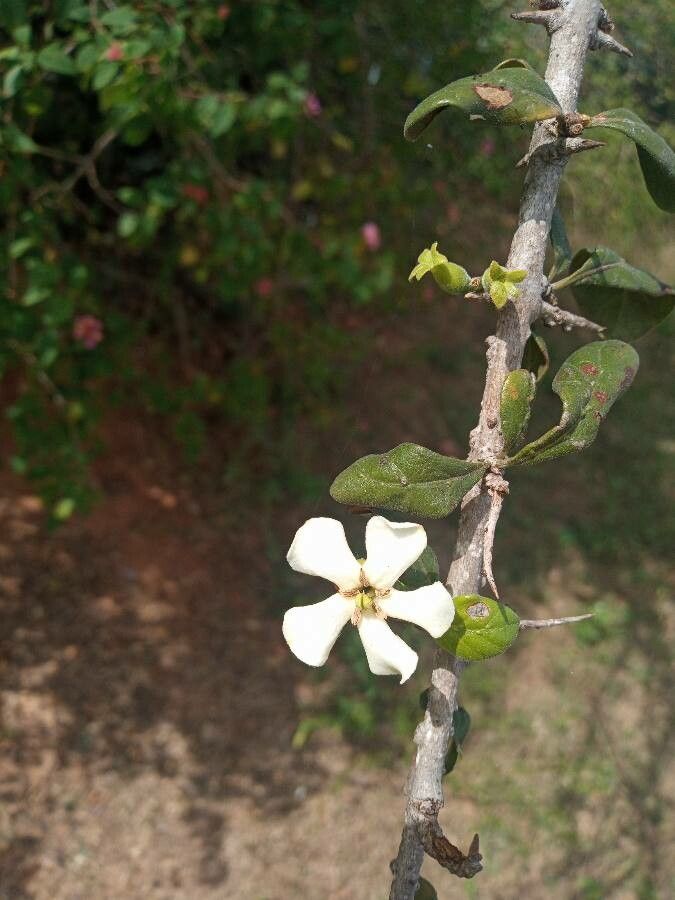
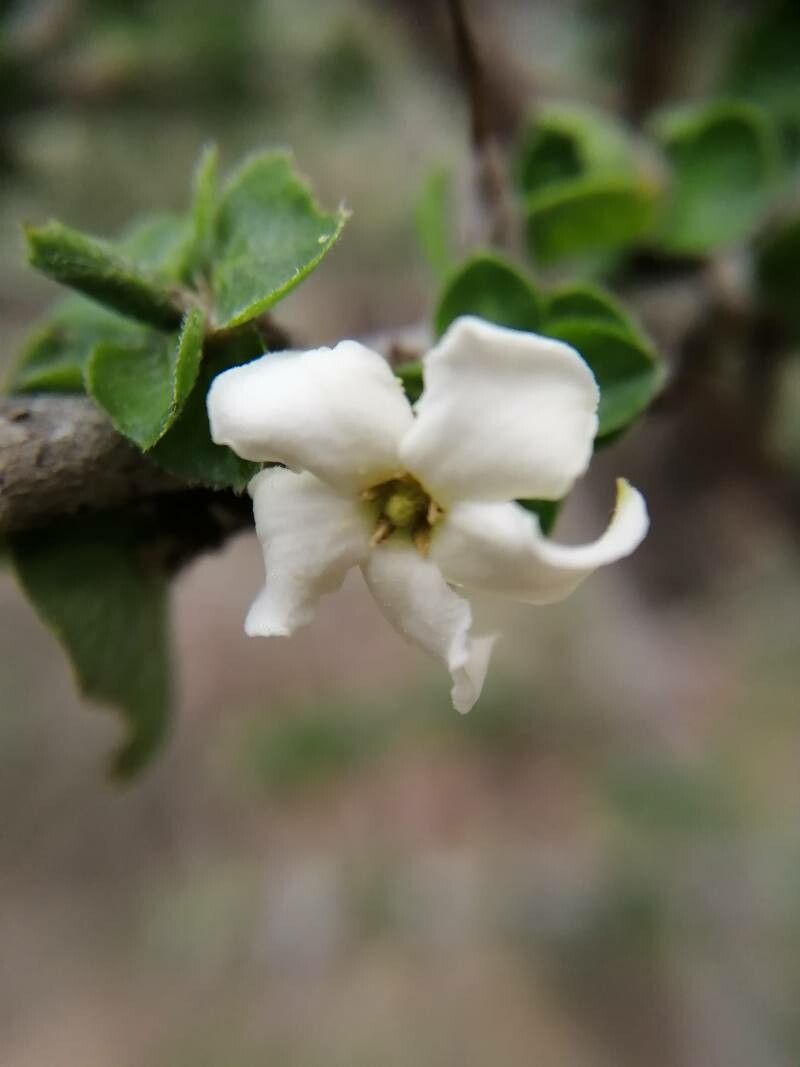
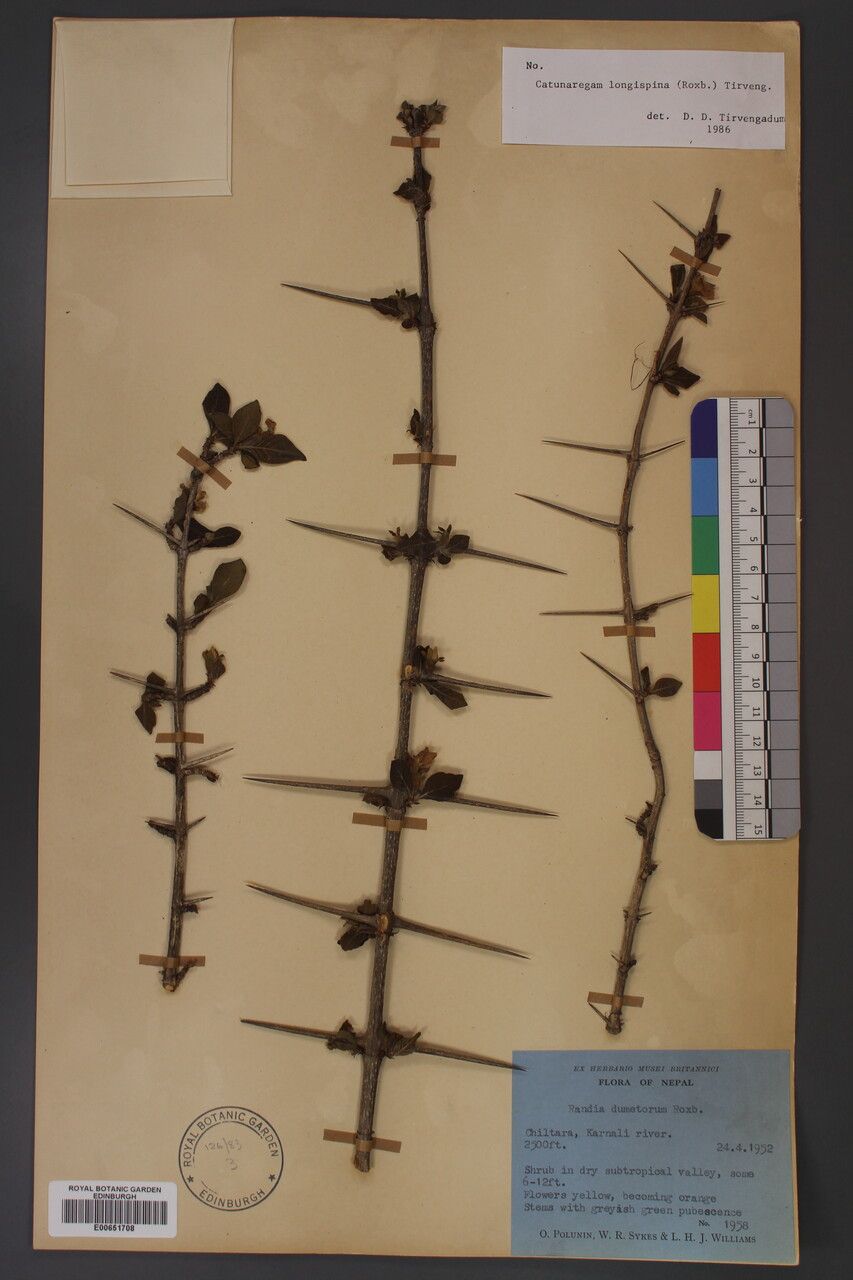
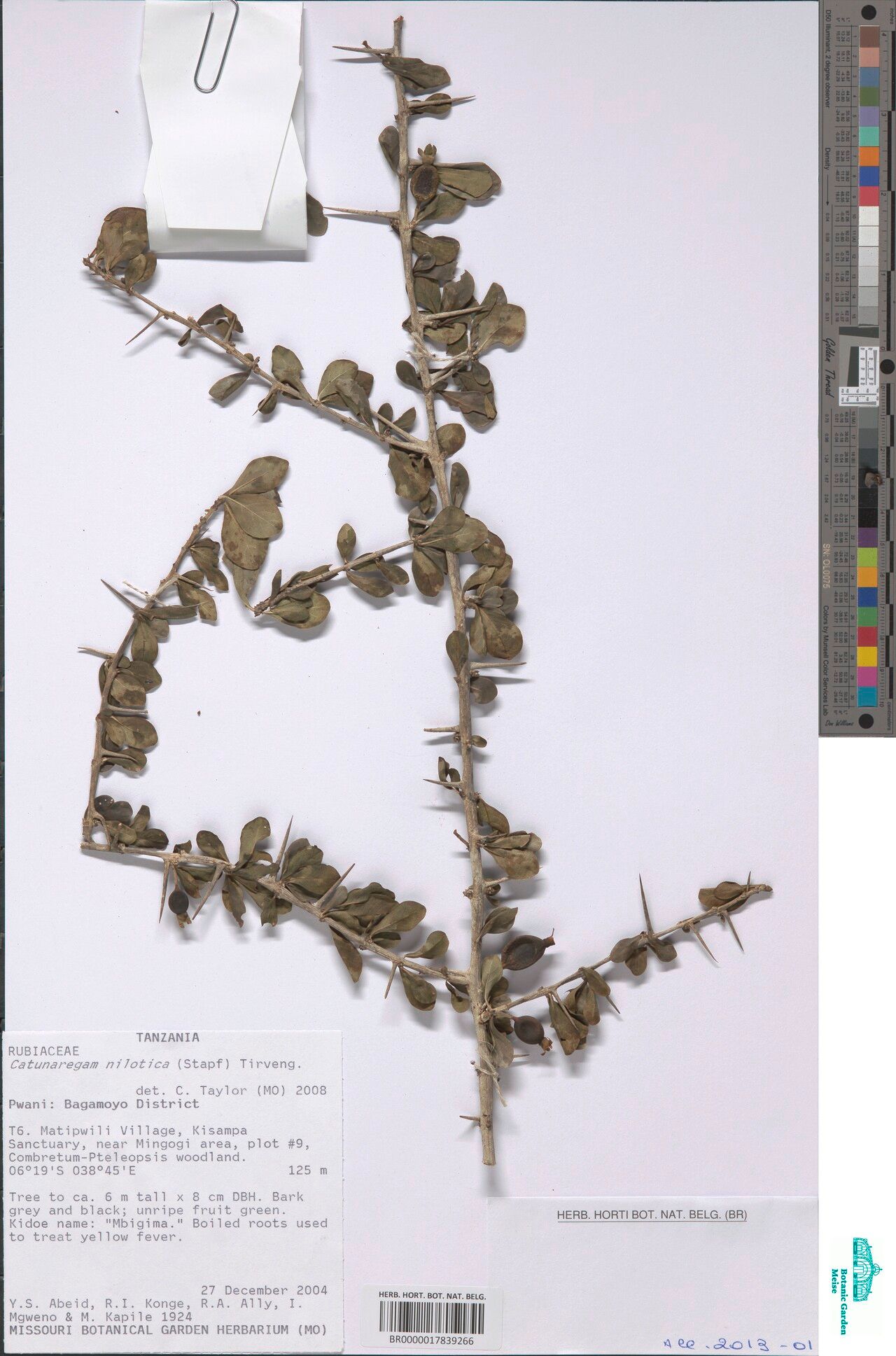
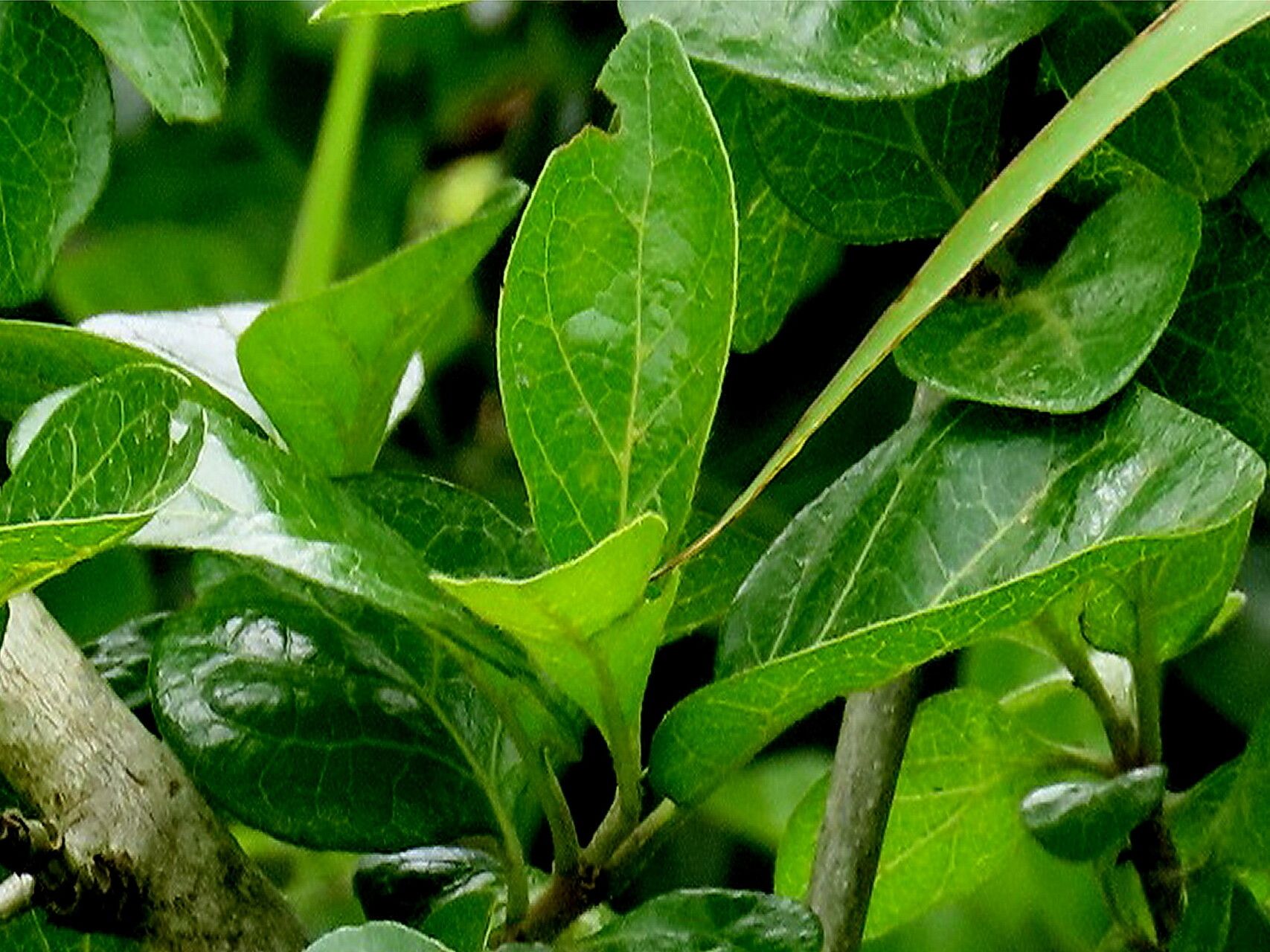
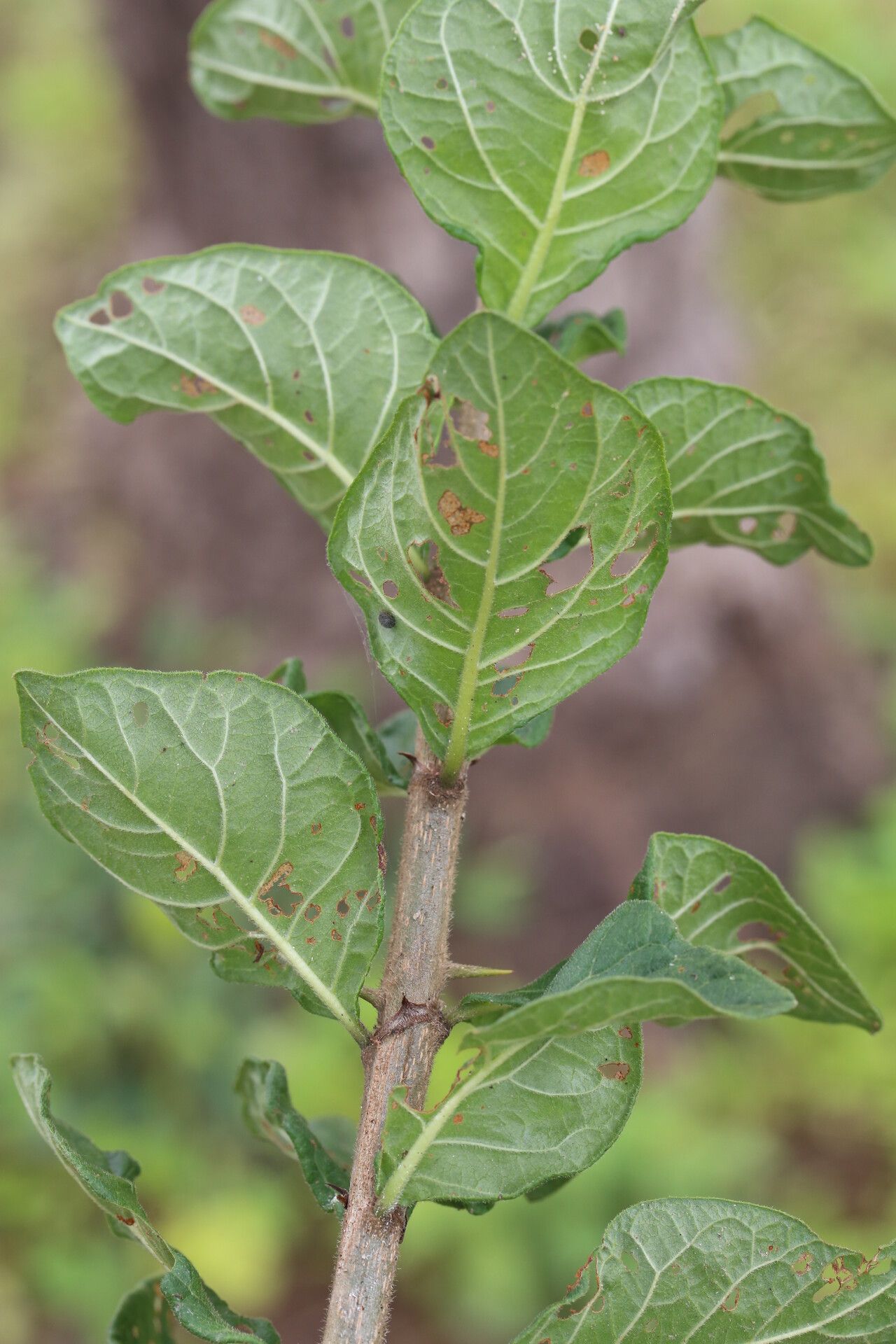
Catunaregam spinosa, commonly known as the spiny rattlepod, is a small shrub or tree that belongs to the Rubiaceae family. It is native to tropical and subtropical regions of Asia and Africa. The plant can grow up to 5 meters in height and features a spiny stem along with small white flowers that bloom in clusters. Its fruit is a capsule containing numerous seeds.
In traditional medicine, various parts of Catunaregam spinosa have been utilized for their medicinal properties. The bark is used as an antipyretic (fever-reducing) agent, while the leaves possess anti-inflammatory properties.
Ecologically, the plant is significant as it provides food and habitat for various insects and birds. It can also be cultivated in gardens or used as an ornamental plant due to its attractive appearance.
However, it is important to note that Catunaregam spinosa contains toxic compounds such as alkaloids, which can cause harm if ingested in large quantities by humans or animals.
In summary, Catunaregam spinosa is a fascinating plant with both medicinal and ecological importance, but it should be handled with caution due to its toxic nature.
Thorny bone-apple shows strong resistance to disease and is generally not susceptible to illnesses. In terms of maintenance, this plant is fairly low-maintenance. When grown outdoors it needs only minimal watering, and larger specimens typically do not require pruning. Smaller plants, however, should be pruned after they finish blooming. Thorny bone-applet is well suited for anyone who has an outdoor area, such as a garden or deck, and it does not demand much care experience.
How to keep Catunaregam Spinosa.
Light
The Thorny bone-apple, a tropical wood-based plant natively found in luminous and sunny habitats, flourishes in full sun yet can also bear partial sun. This plant typically grows in open areas that are well-lit and offer little shade.
Water
The thorny bone-apple, which originates from arid regions, is well adapted to dry conditions and displays excellent drought tolerance. For optimal growth, it should be watered every 2-3 weeks, simulating its natural environment. This plant is ideal for xeriscaping and requires well-draining soil to avoid root rot.
Temperature
The Thorny bone-apple naturally thrives in climates with mild temperatures, specifically ranging from 68 to 100.4°F (20 to 38℃). To emulate these conditions and promote the plant's best growth, seasonal modifications might be required.
Fertilizer
The optimal period to fertilize a Thorny bone-apple is at the onset of spring, when it awakens from its dormant state. This process stimulates the plant's overall growth and encourages the development of flowers. Fertilization improves the plant's leaves, stems, and branches, while encouraging the production of larger, more colorful, and longer-lasting flowers. Furthermore, it facilitates the transportation of nutrients from the roots to the flowers and enhances the plant's wellness and immunity to diseases.
Pruning
Prune the thorny bone-apple plant from early to late winter. Remove dead branches and thin out crowded areas to improve air circulation and promote healthy growth. Regular maintenance helps control the plant's size and prevents it from becoming overgrown. Be sure to use clean, sharp tools to reduce stress and potential damage to the plant.
Botanical profile.
- Plant Type
- Tree, Shrub
- Life Cycle
- Perennial
- Genus
- Catunaregam
- Family
- Rubiaceae
- Hardiness Zone
- 10-11
- Mature Height
- 10.06 m
- Mature Spread
- 2.13 m to 3.05 m
- Leaf Color
- Dark Green
- Leaf Type
- Evergreen
- Flower Color
- White, Yellow
- Flower Size
- 2.03 cm to 2.54 cm
- Bloom Time
- Late spring, Early summer, Mid summer
- Planting Time
- Spring, Summer
- Harvest Time
- Late summer, Early fall, Mid fall
- Native Area
- Nepal, Sri Lanka, India, Malaysia, Indonesia, Cambodia, Vietnam, Myanmar, Bhutan, Bangladesh, Pakistan, Laos, Thailand, China
Other names.
Reader questions.
What are the sunlight requirements for Thorny bone-apple?
Thorny bone-apple is native to bright, sun-drenched environments and thrives in full sun but can also tolerate partial sun. This means it requires more than 6 hours of sunlight daily for optimal growth but can manage with about 3-6 hours of sunlight. It's vital to observe your garden's sunlight patterns to choose spots that offer the right balance for your plants. When indoor conditions don’t provide sufficient natural light, especially during winter or in less sunny spaces, artificial lighting can be a critical supplement. LED lights are recommended for their ability to emulate specific wavelengths beneficial for plant growth, with full sun plants needing 30-50W/sq ft, partial sun plants 20-30W/sq ft, and full shade plants 10-20W/sq ft of artificial light.
What is the native environment of the Thorny bone-apple?
The Thorny bone-apple, botanically known as Catunaregam spinosa, is native to environments with moderate temperatures. It prefers conditions ranging from 68 to 100.4°F (20 to 38°C). To ensure the plant's optimal growth, seasonal adjustments might be necessary to mimic these environmental conditions. This plant is extremely heat-loving, and exposure to cold temperatures can cause harm. During the autumn, it's advisable to bring Thorny bone-apple plants grown outdoors indoors and place them near a bright window, albeit at a safe distance from heaters. Throughout the winter months, maintaining temperatures above 20°C is beneficial for the plant's growth, while temperatures near or below 5°C are detrimental.
What are the common symptoms of light deficiency in Thorny bone-apple?
When Thorny bone-apple receives inadequate light, especially indoors during winter, several symptoms can emerge indicating light deficiency. These include smaller new leaves compared to older ones, leggy or sparse growth, faster leaf drop, slower or halted new growth, lighter-colored new leaves, and symptoms due to excessive sunlight like chlorosis, sunscald, leaf curling, wilting, and leaf scorching. These symptoms suggest the plant's struggle either with insufficient light or with the stress of too much direct sunlight.
How does low temperature affect Thorny bone-apple and what are the solutions?
Thorny bone-apple is highly sensitive to low temperatures and thrives best when the temperature remains above 20°C. During winter, temperatures should be kept above 5°C to prevent damage. Exposure to temperatures below 1°C can lead to a lightening of leaf color. Following frost damage, leaves may turn brown or black, and the plant may exhibit symptoms such as wilting and drooping. To mitigate low temperature damage, frost-damaged parts should be trimmed off, and the plant should be moved immediately to a warmer indoor environment for protection. Placing the plant near a south-facing window ensures ample sunlight, which is beneficial. However, the plant should not be placed near heaters or air conditioning vents as these can cause excessive dryness in the air.
How can I address light deficiency issues in Thorny bone-apple?
To combat light deficiency in Thorny bone-apple, gradually increasing sunlight exposure is crucial. For indoor plants, gradually move them each week towards sunnier spots, like a south-facing window, ensuring they receive at least 6 hours of direct sunlight daily. If moving the plant isn't feasible, consider using artificial light, such as desk lamps or professional grow lights, for at least 8 hours daily. For outdoor plants, avoid sudden light intensity changes by gradually shifting them to sunnier spots. If plants are blocked from sunlight, identify and reduce obstructions, or for smaller plants, consider transplanting during their dormant period to a location with better sunlight and drainage. It's necessary to understand that parts of the plant affected by insufficient sunlight may not recover, but ensuring adequate light going forward will promote healthy new growth.
What should be done if the Thorny bone-apple experiences high temperatures?
During the summer, it's important to ensure that the Thorny bone-apple's environment stays below 38°C to avoid heat stress. If temperatures rise above 43°C, the leaves may lighten in color, increasing the plant's susceptibility to sunburn. To address high temperature stress, trim away the sunburned and dried parts of the plant. Relocate the plant to a location that offers shade, particularly from the midday and afternoon sun, to prevent further sunburn. Additionally, watering the plant in the morning and the evening helps keep the soil moist and supports the plant's health under high temperature conditions.